
Plants
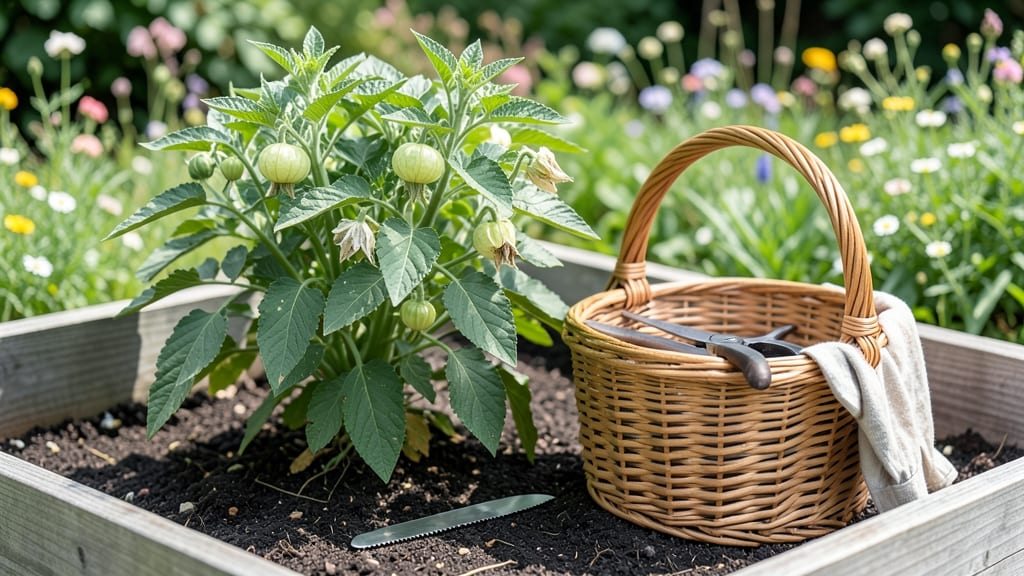
Harvesting tomatillo plants at the right time ensures their signature tangy flavor, and missing the window means bland or mealy pods 🍅.
If you’ve ever plucked a tomatillo too early and ended up with a weak, watery salsa verde, you know timing is everything. The difference between a vibrant, tart harvest and a disappointing one often comes down to color, size, and even the weather.
In USDA Zone 6a, where spring planting kicks off after the last frost, tomatillos typically reach peak harvest readiness between June and September. But how do you know they’re truly ready?
Look for pods that are fully green, firm, and about 1.5–2.5 inches in diameter—these are the telltale signs of perfect tanginess.
Below, I’ll walk you through the exact visual cues, regional adjustments, and post-harvest handling tips to keep your tomatillos at their best—so you can finally nail that restaurant-quality salsa verde at home.

How to identify the perfect tomatillo harvest time by color and size
Harvesting tomatillos at the right moment transforms their tart flavor from bland to bold. The key lies in watching for color shifts and size milestones that signal peak ripeness.
Unlike tomatoes, tomatillos don't ripen red—they mature into a pale yellow-green hue when ready. Missing this window means losing that signature tangy punch in your salsa verde.
Start by tracking the color evolution from bright green to a muted, almost cream-tinged green. This shift happens gradually, so check your plants every 2-3 days during peak harvest season (June-September).
The size threshold of 1.5–2.5 inches in diameter is your second critical clue—any smaller and they're still developing their full flavor profile.
📋 Summary Table: Tomatillo Harvest Guidelines
| Stage | Color | Size | Firmness | Harvest Time |
|---|---|---|---|---|
| Early Green | Bright green | <1 inch | Firm | Not ready |
| Ideal Ripeness | Pale yellow-green | 1.5–2.5 inches | Firm but yielding | Perfect! |
| Overripe | Dull yellow | >2.5 inches | Soft/wrinkled | Use or discard |
Environmental factors like sunlight exposure dramatically affect ripening speed. Plants receiving full sun (6+ hours daily) mature faster than those in partial shade, which may take 10-14 extra days to reach harvest size.
In cooler climates (USDA Zones 6-8), aim for 75-90 days after transplanting, while warmer zones (9+) can harvest as early as 60 days.
Don't rely solely on color—always perform the firmness test. Press a tomatillo gently: it should feel firm but slightly yielding, like a ripe avocado. Overripe tomatillos develop a wrinkled texture and lose their crispness, making them less desirable for cooking.
The stem separation test is another pro trick: twist gently at the stem—if it detaches cleanly, it's ready.
Regional variations matter too. In hotter climates, tomatillos may ripen faster and require more frequent checks. In cooler areas, extend your harvesting window by using black plastic mulch to warm the soil. Always harvest in the morning when temperatures are cooler to preserve quality and reduce bruising.
Pro tip: Harvest every 2-3 days during peak season to encourage continuous production. Use clean pruning shears or your hands to avoid damaging the plant. Store harvested tomatillos in a paper bag in the fridge for up to 2 weeks—they'll continue ripening slightly after picking.
Watch for color inconsistencies across pods on the same plant. Uneven ripening often signals nutrient deficiencies (like potassium) or irregular watering. If you notice pale spots or stunted growth, adjust your fertilizer schedule (balanced 5-10-10 NPK) and ensure consistent moisture (1-2 inches per week).
Remember: the sweet-spot for tomatillo flavor is that pale yellow-green stage. Once they turn fully yellow, their tartness mellows into a milder, almost bland taste.
For maximum tang, harvest when 70% of pods show this color shift—you can always leave a few to ripen further for flexibility in your kitchen.
🌱 For gardeners in container growing, expect slightly smaller harvests (1.5–2 inches max) due to limited root space. Monitor these plants daily during peak season—they ripen faster in pots. Always use well-draining soil to prevent rot, which can mimic overripe conditions.
5 Key signs your tomatillos are ready (beyond just color)
Harvesting tomatillos at the right moment transforms your salsa verde from bland to boldly tangy. While color is a starting point, relying only on it can lead to overripe or underripe pods.
To truly nail the perfect harvest, focus on these five subtle but critical signs that go beyond the obvious green hue.
First, the firmness test is non-negotiable. A ripe tomatillo should feel firm yet slightly yielding—like a ripe avocado—when gently squeezed. If it’s rock-hard, it’s underripe; if it feels mushy, it’s past its prime. This tactile clue is your first line of defense against mealy, flavorless pods.
Next, check for slight softness at the stem. The base where the pod meets the plant should yield just a little when pressed with your thumb.
This indicates the pod’s sugars and acids have fully developed, giving you that signature tangy punch. Overlooking this can mean sacrificing flavor for convenience.
- 🍃 Firm yet yielding when gently squeezed (like a ripe avocado)
- 🌿 Slight softness at the stem—press with your thumb to test
- 💧 Subtle sweetness when bitten (taste one to confirm)
- 🌡️ Uniform green color with no yellowing or wrinkles
- ✂️ Easy detachment—twist gently to remove without resistance
Don’t skip the taste test—yes, really! Bite into one pod to check for a subtle sweetness underlying the tartness. Underripe tomatillos taste bitter and watery, while overripe ones lose their crispness and develop a bland, almost mealy texture. This quick check ensures you’re harvesting at the peak of flavor.
Watch for uniform color and avoid any pods with yellowing or wrinkled skin. A ripe tomatillo should be a vibrant, even green—no pale spots or uneven patches. These visual cues often indicate uneven ripening due to inconsistent sunlight or watering, which can throw off flavor.
Finally, test for easy detachment. A ready-to-harvest tomatillo should twist off the vine with minimal resistance. If it clings stubbornly, it’s not fully mature yet. This final check ensures you’re picking pods at their prime, ready to be transformed into the star of your salsa verde.