
How To
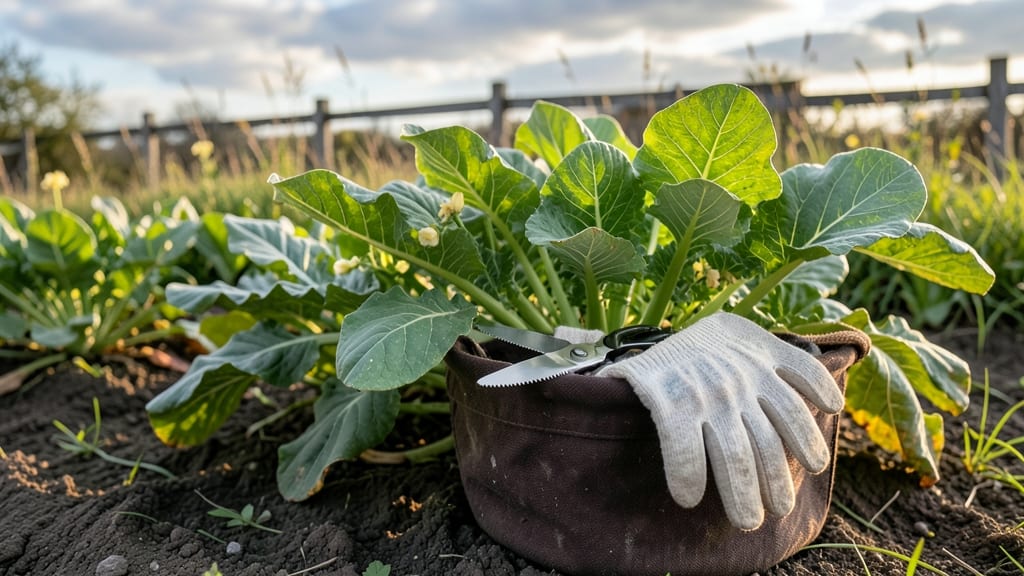
Harvesting turnip greens at the right time ensures tender, flavorful leaves 🥬 packed with nutrients—so knowing when to harvest turnip greens makes all the difference between a crisp bite and a tough chew.
Picture this: you’ve been patiently waiting, and now your plants are thriving, but how do you know if they’re ready? The secret lies in leaf size, color, and a simple stem test that tells you exactly when to snip.
Too early, and you’ll miss out on the full flavor; too late, and the leaves turn bitter. Below, I’ll walk you through the visual cues—like leaf length and stem crispness—that guarantee a perfect harvest every time.
Plus, I’ll share the cut-and-come-again method to keep your garden producing for months, so you never run out of fresh greens for salads or sautéing.

How to identify perfect turnip greens harvest size by leaf dimensions
Timing your turnip greens harvest by leaf dimensions ensures you get the tender, nutrient-packed leaves at their peak. Unlike root vegetables, turnip greens are all about the foliage, and their size, color, and texture reveal when they're ready to pick.
I've learned that 4-6 inches is the sweet spot for most varieties, but there's more to it than just measuring.
First, focus on the leaf length as your primary indicator. When leaves reach 4-6 inches long, they've typically developed enough flavor and texture to be perfect for eating. This size is ideal for first harvests and ensures you're not waiting too long for the leaves to become tough.
Smaller leaves are still edible but may lack the robust flavor you're aiming for.
Don't overlook the leaf width either—mature turnip greens should be about 2-4 inches wide at their broadest point. Wider leaves usually mean the plant has had enough time to develop properly.
I always check both dimensions together because a leaf that's long but narrow might still be too young, while a leaf that's wide but short could be stunted due to poor growing conditions.
Here's where things get interesting: the color shift from light green to deep, rich green is another key signal. When leaves turn a dark, glossy green, they're packed with nutrients and ready for harvest.
This color change happens as the leaves mature and develop more chlorophyll. I've noticed that morning sunlight enhances this color, making it easier to spot.
Now, let's talk about the ideal harvest window. Most turnip greens varieties reach this perfect size between 20-30 days after planting, but cooler temperatures can slow growth.
In my garden, I've found that spring and fall harvests often yield the most tender leaves because the plants grow more slowly in cooler weather, preventing them from becoming fibrous.
Here's a quick visual guide to help you determine the perfect harvest size based on leaf dimensions and maturity stages:
| Maturity Stage | Leaf Length | Leaf Width | Leaf Color | Texture | Harvest Time |
|---|---|---|---|---|---|
| Early Growth | 2-4 inches | 1-2 inches | Light green | Very tender | Not ready |
| Ideal Harvest | 4-6 inches | 2-4 inches | Dark green | Crisp but tender | Perfect! |
| Overmature | 8-12+ inches | 4-6+ inches | Dull green | Tough/fibrous | Avoid |
Pay attention to the leaf edges too—when they start to curl slightly at the tips, it's often a sign of maturity. This curling is natural and doesn't mean the leaves are damaged; it's just how turnip greens show they're ready to be picked.
I've found that leaves with slightly wavy edges tend to have the best flavor and texture.
One common mistake I see is waiting too long for leaves to reach their maximum size. While turnip greens can grow up to 8-12 inches long, leaves this size often become tough and fibrous.
The flavor also starts to decline as the leaves mature beyond the 4-6 inch range. To avoid this, I make a habit of checking my plants every 3-4 days once they start to grow rapidly.
If you're growing turnip greens for a continuous harvest, you'll want to pick the outer leaves first while leaving the inner, younger leaves to keep growing. This method allows you to enjoy fresh greens for weeks without letting the entire plant become overmature.
I've had great success using this approach in my garden, especially with varieties like 'Tokyo Cross' and 'Purple Top White Globe'.
Remember that environmental factors can affect leaf size and maturity. For example, plants grown in partial shade may take longer to reach the ideal harvest size, while those in full sun grow more quickly.
Always adjust your expectations based on your specific growing conditions. With practice, you'll develop an eye for spotting the perfect turnip greens at just the right moment.
🥬
The stem snap test: pro gardener’s secret for determining turnip greens readiness
Determining the perfect harvest time for turnip greens isn’t just about leaf size—it’s also about stem texture. The stem snap test is my go-to method for pinpointing when greens are tender yet mature enough to enjoy.
This simple trick saves you from harvesting too early (and missing flavor) or too late (and dealing with tough, bitter leaves).
Here’s how it works: grasp a leaf stem between your thumb and forefinger, about 1-2 inches from the base, and give it a gentle bend. The ideal snap should feel like a light crack—not a bend like a rubber band, nor a stubborn break like dry wood.
This resistance tells you the leaf is perfectly balanced between tenderness and flavor.
If the stem bends without snapping, your greens are still too young. If it snaps with a harsh break, they’ve overmatured. Mastering this test ensures every harvest delivers that crisp-tender texture we all crave.
⚠️ callout-warningIf your turnip greens stems feel woody or fibrous during the snap test, it’s a clear sign they’ve passed their prime. Woody stems mean the leaves have bolted or become tough, ruining their flavor. For best results, harvest before stems thicken—typically when they’re pencil-thin and light green.
Pro Tip: If you’ve missed the window, trim the tough stems and use the younger inner leaves for soups or smoothies where texture matters less.
Let’s break down the three stem stages you’ll encounter. First, there’s the tender stage, where stems barely resist—this is too soon. Next is the ideal stage, with that satisfying light snap.
Finally, the overmature stage, where stems feel rigid and the leaves may yellow at the edges.
For continuous harvesting, I recommend testing stems on 3-4 outer leaves first. If they pass the snap test, it’s time to harvest those leaves while leaving the inner, younger leaves to mature. This method keeps your plants producing for weeks longer than a single harvest.
Common mistakes? Testing stems in direct sunlight (they’ll feel firmer) or after heavy rain (they’ll seem softer). Always test in the morning when stems are at their most hydrated and representative of their true readiness.
With practice, the stem snap test becomes second nature—just like knowing when your tomatoes are ripe. Once you master it, you’ll never guess again about turnip greens readiness! 🥬