
How To
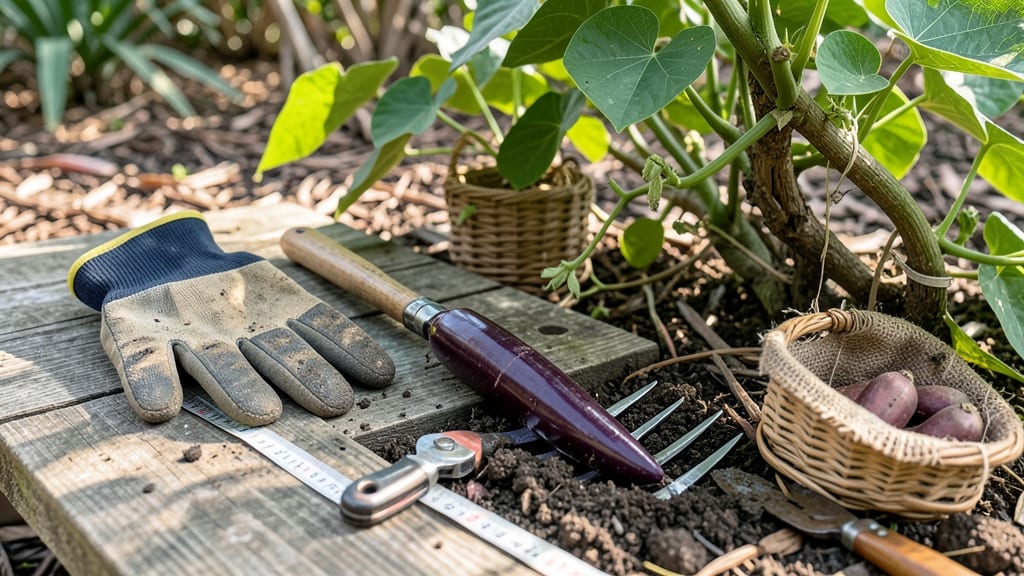
Harvesting yams at the right time means the difference between sweet, tender tubers and tough, woody disappointments — and the key is knowing when to pull them.
Picture this: you’ve waited 9 to 11 months for those 🍠 to mature, only to dig up a batch that’s either too small or rock-hard. The finger-nail test and leaf color are your secret weapons to nail the perfect harvest window every time.
In USDA Zone 6a, where frost hits by October, timing is critical. Most varieties need 270 to 365 days to reach peak flavor, but skipping the right cues can ruin your crop.
Below, I’ll show you how to read the signs—from skin toughness to foliage changes—so you never harvest too early (or too late).
You’ll leave this guide knowing exactly when to dig, how to test for sweetness, and what to do with your yams once they’re out of the ground. No more guesswork—just perfect, homegrown harvests.

How to use the finger-nail test to determine yam harvest time
Harvesting yams at the perfect moment ensures maximum sweetness and tender texture, but timing can be tricky. The finger-nail test is a trusted method gardeners use to check tuber readiness without damaging the plant.
Unlike sweet potatoes, yams develop a thick, resistant skin when mature—a key clue for harvest timing. This simple test helps you avoid underripe (woody) or overripe (starchy) tubers that ruin flavor.
Before diving into the test, note that yams thrive in warm climates with 9-11 months of growth before harvest. The finger-nail method works best when combined with visual cues like yellowing foliage or dry vines.
For tropical varieties, this test is especially useful since they don’t always show external signs of readiness. Let’s break down the exact steps to master this technique and harvest yams at peak perfection.
Choose a mature vine
Select a vine with yellowing leaves or dry tips, indicating the plant is nearing the end of its cycle. Avoid testing vines with green foliage, as tubers may still be developing.
Locate a tuber gently
Use your fingers to trace the vine down to where it meets the soil. Tubers typically form near the base of the plant, about 6-12 inches from the stem. Avoid digging yet—just feel for a rounded bump.
Press with your fingernail
Apply firm pressure with your fingernail to the tuber’s skin. If the nail doesn’t puncture the skin and feels resistant, the yam is likely ready. For tropical varieties, this resistance is a hallmark of maturity.
Check for sweetness correlation
A resistant skin often means the yam is sweeter and less starchy. If the skin gives way easily, wait 1-2 weeks before retesting. Overripe yams (skin cracks or splits) lose sweetness and become fibrous.
Harvest when multiple signs align
Combine the finger-nail test with foliage color (yellow/brown) and tuber size (1-3 lbs). If all three cues match, it’s time to harvest. Pro tip: Use a fork to gently loosen soil before pulling tubers to avoid damage.
The finger-nail test is especially valuable for tropical yam varieties, which may not show external signs like skin color changes. For example, Water yams (like Dioscorea alata) rely heavily on this method since their skin remains smooth even when mature.
If you’re growing Chinese yams (Dioscorea opposita), pair the test with tuber weight—aim for 1-2 pounds per tuber for ideal texture.
One common mistake is testing tubers too early, when the skin is still soft and easily pierced. This usually means the yam needs 2-4 more weeks to mature. Conversely, waiting too long can lead to skin cracks or shriveling, which ruins storage potential.
To avoid this, test every 7-10 days once foliage starts yellowing. Consistency is key—especially in humid climates where growth cycles accelerate.
Sweetness in yams isn’t just about size—it’s tied to starch conversion during maturity. The finger-nail test helps gauge this process by assessing skin toughness, which correlates with higher sugar content.
For instance, white yams (Dioscorea rotundata) are at their sweetest when the skin resists your nail but hasn’t hardened into a woody texture. If you’re unsure, dig up one tuber for a taste test—this is the ultimate judge of harvest readiness!
After harvesting, cure your yams for 3-5 days in a warm, humid space (like a garage) to enhance flavor and storage life. This step is crucial for tropical varieties, which can develop a glossy skin and deeper sweetness during curing.
Store cured yams in a cool, dark place with high humidity to prevent drying. With the finger-nail test in your toolkit, you’ll never guess again—just harvest with confidence!
🌱
Best time of year and size guidelines for perfect yam harvests
Timing your yam harvest is all about reading your climate zone and watching for seasonal cues. In temperate zones like USDA Zone 6a, yams thrive from spring planting to fall harvest, typically between September and October before the first frost.
Meanwhile, in tropical climates, yams can be harvested year-round, though peak sweetness often aligns with the dry season.
Your yams need 9 to 11 months to mature, but don’t wait too long—overripe tubers lose flavor and texture. The key is balancing tuber size with foliage signals. Most gardeners aim for tubers weighing 1 to 3 pounds, though some varieties like White Yam can grow larger.
Smaller tubers (under 1 pound) may still be edible but often lack the rich, starchy sweetness you crave.
Growth cycles directly impact flavor and texture. Early harvests yield softer, sweeter tubers, while waiting too long results in woody, fibrous tubers. For example, Yellow Yam varieties often peak in sweetness when harvested just as the leaves start yellowing. Understanding these nuances ensures you’re always harvesting at the perfect maturity stage.
| Climate Zone | Harvest Window | Ideal Tuber Size | Key Cues |
|---|---|---|---|
| Temperate (Zone 6a) | September-October | 1-3 lbs each | Yellowing leaves, firm skin |
| Tropical | Year-round (dry season preferred) | 1.5-4 lbs each | Dry foliage, thick skin |
| All Zones | Before first frost | Minimum 1 lb | Fingernail test (resistant skin) |
For temperate climates, mark your calendar for late summer to early fall. This is when yams reach their peak starchy sweetness. In my garden, I’ve found that harvesting White Yam varieties just as the vines begin wilting yields the best results.
The skin should resist when pressed with your fingernail—a telltale sign of maturity.
In tropical regions, where frost isn’t a concern, focus on the dry season for the sweetest harvests. Here, yams can grow larger, often reaching 3 to 4 pounds per tuber.
However, don’t let them overstay—they’ll become woody and less flavorful. Always prioritize the fingernail test and leaf color over size alone.
Pro tip: If you’re unsure, dig up one tuber for testing. Cut it open to check for even color and firm texture. If it’s ready, your entire crop likely is too. This spot-check method saves you from harvesting too early or too late—both of which can ruin your harvest.