
Vegetables
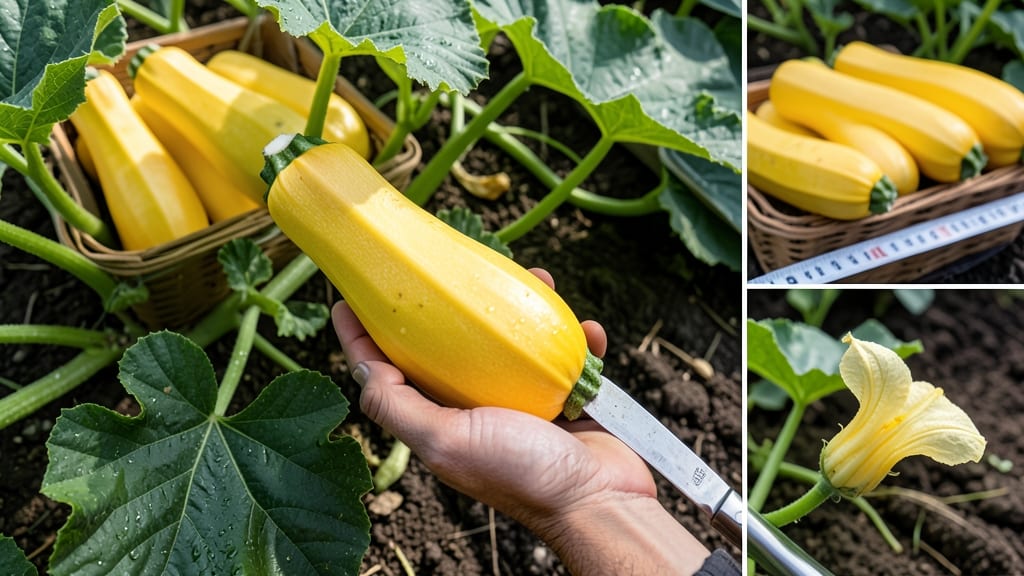
Harvesting yellow zucchini when they’re 6-8 inches long ensures peak flavor and texture, but timing can make all the difference between a tender, sweet squash and a tough, seedy one.
Picture this: you’re in the garden, running your thumb along a zucchini 🍆—it’s firm but gives just slightly, like a ripe avocado. That’s the perfect moment to pick it. Miss it, and you risk a bitter, oversized harvest that’s more trouble than it’s worth.
But here’s the catch: size alone isn’t enough. Climate, variety, and even the time of day can shift when your zucchini is truly ready. In Zone 6a, for example, early summer heat speeds up ripening, while cooler late-season days slow it down.
Below, I’ll walk you through three tactile tests to nail the harvest window—no guesswork, just foolproof cues for zucchini that taste like sunshine. Ready to turn your garden into a flavor factory?
3 Tactile tests to determine perfect yellow zucchini harvest time
Harvesting yellow zucchini at the right moment transforms your garden bounty from bland to bursting with flavor. While size is a common guide, I’ve found the best results come from sensory cues—touch, sound, and subtle visual changes that reveal peak ripeness before the zucchini outgrows its prime.
These tactile tests work for both bush varieties like 'Defender' and vining types like 'Golden Zucchini,' regardless of your climate zone.
Why rely on size alone when your fingers and eyes can tell you the exact moment to harvest? Overripe zucchini becomes tough and seedy, while underripe squash lacks sweetness. The secret lies in three simple tests that take seconds to perform—no measuring tape required.
I’ve used these methods for years, and they’ve saved me from kitchen disappointments (and compost pile regrets) every summer.
- 1 Skin Pressure Test: Gently press your thumbnail into the zucchini’s skin. If it resists slightly (like a ripe avocado), it’s ready. If it leaves a dent, wait 1-2 days. Pro tip: Test near the stem end where skin is thickest.
- 2 Stem Snap Test: Grasp the zucchini’s stem between your thumb and forefinger and bend it gently. If it snaps cleanly (not breaks), it’s at peak texture. A tough stem means it’s underripe; a mushy one signals overripeness.
- 3 Sound Test: Tap the zucchini lightly with your knuckles. A hollow, crisp sound (like a watermelon) means it’s perfect. A dull thud indicates overripeness. This works especially well for yellow varieties where color changes can be subtle.
For northern climates (USDA Zones 3-5), these tests become even more critical because shorter growing seasons demand precision. I’ve seen zucchini in cooler areas mature 2-3 days faster due to rapid temperature swings—so check daily once squash appear.
In southern zones (6-10), the tests help distinguish between heat-accelerated growth and true ripeness, preventing bitter squash.
The skin pressure test is my go-to because it works even for smaller varieties like 'Eight Ball' zucchini, where size isn’t always a reliable indicator. I’ve harvested zucchini as small as 4 inches long using this method when the skin passed the test—resulting in tender, seedless squash perfect for grilling.
The key is consistency: test the same squash at the same time each morning for accurate results.
Don’t overlook the visual cues that complement these tactile tests. Look for a deep, even yellow color (not green) and a slight shiny sheen on the skin, which indicates proper hydration.
Pair these with the tactile tests for foolproof timing. I once missed a harvest window because I focused only on color—my zucchini turned woody and seedy overnight. Lesson learned!
Harvesting at the right moment also extends your plant’s productivity. When you pick zucchini at peak ripeness, the plant redirects energy to producing new flowers and fruit instead of over-maturing existing ones.
This is especially valuable for container growers with limited space. I’ve seen bush varieties like 'Patio Star' produce 30% more squash when harvested using these tests compared to waiting for "standard" sizes.
For yellow zucchini varieties like 'Sunburst' or 'Bright Light,' the tactile tests take on extra importance because their color changes can be subtler than green types. The skin pressure test becomes your best friend here—yellow zucchini often looks ripe when it’s still firm and underdeveloped.
Always combine the sound test for a final confirmation before cutting.
Remember: these tests work best when performed in the morning, when zucchini is cool and firm. Evening harvests can yield slightly softer squash due to daytime heat. I keep a small pruning shears and a harvest basket near my plants to make the process seamless.
Once you master these tactile cues, you’ll never second-guess your harvest timing again.
Pro tip: Mark your calendar 1-2 weeks after flowering to start testing zucchini regularly. This gives you a head start on the 40-50 day window most varieties need to reach peak ripeness.
With practice, these tests become second nature—and your kitchen will thank you with perfectly tender, flavorful zucchini every time. 🌱
Size matters: ideal yellow zucchini lengths by variety and season
Not all yellow zucchini varieties play by the same rules. The Golden Zucchini variety, for example, often matures slightly faster than Defender or Black Beauty, thanks to its compact growth habit.
In my Zone 6a garden, I’ve found that early-season zucchini (like 'Golden Zucchini') can be ready in as few as 45 days, while heirloom varieties may need up to 55 days to reach peak harvest size.
Climate also shifts the ideal harvest window. Southern growers in Zones 8-10 can expect continuous production year-round, with zucchini reaching harvest size 10-14 days faster during summer’s heat. Meanwhile, northern gardeners in Zones 4-6 should watch for cooler late-season days, which may slow ripening by 7-10 days.
Variety | Ideal Length | Days to Harvest | Seasonal Adjustment | --- | --- | --- Golden Zucchini | 6-7 inches | 45-50 days | Early summer: harvest 2-3 days sooner Defender | 7-8 inches | 50-55 days | Late summer: harvest 1-2 days later Black Beauty | 8-9 inches | 55-60 days | Cool fall: reduce size by 1 inch Heirloom (e.g., 'Sunburst') | 7-8 inches | 50-58 days | Heatwaves: monitor daily for overgrowth
For northern climates, I adjust my harvest strategy by reducing target size by 1 inch during cooler months. A 7-inch zucchini in September tastes just as sweet as an 8-inch one in July.
In southern regions, I prioritize speed—harvesting at 6 inches when daytime temps hit 90°F+ to prevent bitterness.
Plant age also matters. Younger plants (30-40 days old) produce smaller, sweeter zucchini, while mature plants (> 60 days) yield larger squash with more seeds. If your zucchini plant is overloaded with fruit, prioritize harvesting the largest zucchini first to encourage more balanced growth.
Pro tip: Use a measuring tape to track growth daily during peak season. I’ve found that morning harvests (before 9 AM) yield firmer zucchini, while afternoon picks may feel slightly softer due to heat stress.
Remember, zucchini size isn’t the only factor—color consistency and stem snap are equally important. But when you combine these cues with variety-specific timing, you’ll never miss the sweet spot again. 🌱