
Vegetables
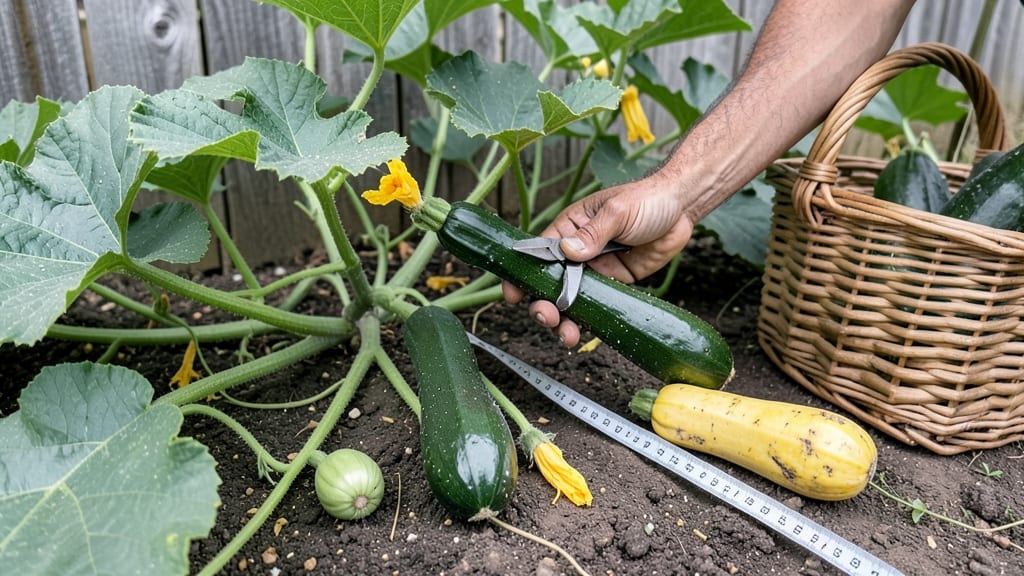
Harvesting zucchini squash when they’re 6–8 inches long and still tender is the secret to avoiding the gritty, seedy disappointment that comes when you wait too long.
Picture this: you check your plants one morning, and by evening, your perfect 🍆 zucchini has ballooned into a rock-hard, flavorless monster. It happens faster than you think—sometimes in just 24 hours—and the difference between a tender, sweet squash and a tough, stringy one is all about timing.
Most gardeners miss the window because they focus on size alone, but the real clues are in the skin’s texture, color, and even the stem’s color.
A deep green hue, a slight give when pressed, and a yellowing blossom end mean it’s time to grab your knife before the plant redirects its energy into seeds.
In this guide, I’ll walk you through the three visual cues that guarantee you harvest at peak flavor—plus what happens if you wait just one more day. By the end, you’ll never again end up with a kitchen full of overgrown, unusable zucchini.
3 Visual cues to harvest zucchini at peak flavor (before it’s too late)
Zucchini squash transforms from a delicate, flavorful vegetable to a tough, seedy mess in just a few days—sometimes even overnight. The key to enjoying that perfect summer squash flavor lies in recognizing three visual harvest cues that signal peak ripeness.
Miss these signs, and you’ll end up with oversized zucchini that’s more suitable for baking than fresh eating. Let’s break down what to look for before it’s too late.
First, pay attention to the stem end of your zucchini. When the stem begins to turn from bright green to yellowish-brown, that’s your first clear signal. This color change indicates the zucchini has reached its ideal maturity window.
The stem should also feel slightly dry and papery—if it’s still moist or green, hold off on harvesting. This simple visual check can save you from picking zucchini too early or too late.
Next, examine the skin texture and color. At peak ripeness, zucchini skin should be deep green and glossy, not pale or dull. Run your thumb gently over the surface—if the skin resists slightly but doesn’t feel hard, that’s perfect.
Overripe zucchini develops a thick, tough skin that’s nearly impossible to cut, and the flesh becomes woody and seedy. A quick thumbnail test can prevent this common mistake.
Finally, check the size and shape of your zucchini. The ideal harvest size is typically 6 to 8 inches long, though some varieties may be slightly smaller or larger. Look for a uniform shape with no bulges or deformities.
If your zucchini is growing faster than you can keep up, try harvesting every 2-3 days to maintain consistent quality. Larger zucchini (over 10 inches) often have bitter flesh and large seeds, making them less enjoyable to eat fresh.
🌱 3 Critical Harvest Cues for Zucchini Squash
- 1. Stem Color: 🟡 Look for a yellowish-brown stem end—this means the zucchini is ready to harvest. If it’s still bright green, wait 1-2 days.
- 2. Skin Texture: 💚 The skin should be deep green and glossy, with a slight resistance when touched. Avoid zucchini with dull or tough skin.
- 3. Size Check: ✅ Aim for 6-8 inches in length. Smaller zucchini (under 5 inches) may still be too immature, while larger ones (over 10 inches) become woody and seedy.
What happens if you wait too long? Overripe zucchini develops a hard, fibrous texture and a bitter taste due to the buildup of cucurbitacin, a compound that forms as the fruit matures.
The seeds also become large and inedible, making the zucchini better suited for bread or muffins than fresh dishes. Even worse, the plant may stop producing new flowers if zucchini aren’t harvested regularly, leading to fewer harvests later in the season.
Pro tip: Use a sharp knife or pruners to harvest zucchini, cutting about 1 inch below the fruit to avoid damaging the vine. This encourages the plant to produce more zucchini in its place.
After harvesting, store your zucchini in a cool, dark place for up to a week, or refrigerate for longer storage. The sooner you eat them, though, the better they’ll taste!
Don’t let your zucchini turn into a giant, unmanageable monster—check your plants daily during peak harvest season (typically July through September in most climates). With these three visual cues, you’ll never miss the perfect moment to harvest again. Happy gardening!
How often to check your zucchini plants (and what to do when you miss the window)
Zucchini plants produce fruit fast, and checking them every 2-3 days is key to catching the perfect harvest window. I’ve learned the hard way that skipping just one check can mean the difference between a tender 6-inch squash and a hard, seedy monster.
The busier your garden, the more tempting it is to delay, but zucchini won’t wait.
Most gardeners check their zucchini plants daily during peak production (typically July and August in most climates). If you’re overwhelmed, aim for every other day—just set a reminder on your phone.
I use a simple system: I glance at my plants while watering or weeding, making it a habit rather than a chore. The goal is to spot those 6-8 inch squashes before they outgrow their prime.
Here’s the catch: even if you miss the window, all isn’t lost. Overgrown zucchini can still be used—just with a few tweaks. The key is acting fast once you notice the fruit has passed its ideal size.
I’ll show you how to salvage them in a moment, but prevention is always easier than cure.
⚠️ WARNING: The 48-Hour Rule
Once a zucchini reaches 10 inches or more, its seeds harden and flesh becomes woody within 48 hours. This isn’t just about flavor—it’s about texture. A 12-inch zucchini will still cook down, but it’ll have the consistency of a baseball. Check your plants twice weekly at minimum during peak season to avoid this fate.
If you’ve already missed the window, don’t panic. Overgrown zucchini can still be used—just prepare them differently. I like to peel and slice them thinly for frying or roasting, which helps break down the tougher fibers.
Another trick? Blend them into soups or bread, where the texture won’t be as noticeable. The key is to act quickly—the longer you wait, the harder they become.
To extend usability, store harvested zucchini in the fridge for up to 5 days. For longer storage, freeze them after slicing and blanching. I’ve had success keeping zucchini in the freezer for up to 6 months without losing too much quality.
The sooner you process them, though, the better they’ll taste. Pro tip: Label your freezer bags with the date—trust me, you’ll forget!
Preventing overgrowth starts with proper spacing. Zucchini plants need 2-3 feet apart to avoid competition, which can slow down fruit development. I’ve also found that pruning yellowing leaves keeps the plant focused on producing new fruit.
If your plants are already crowded, consider harvesting smaller squashes to encourage more production. It’s a balancing act, but worth the effort for a steady supply of tender zucchini.