
Picking
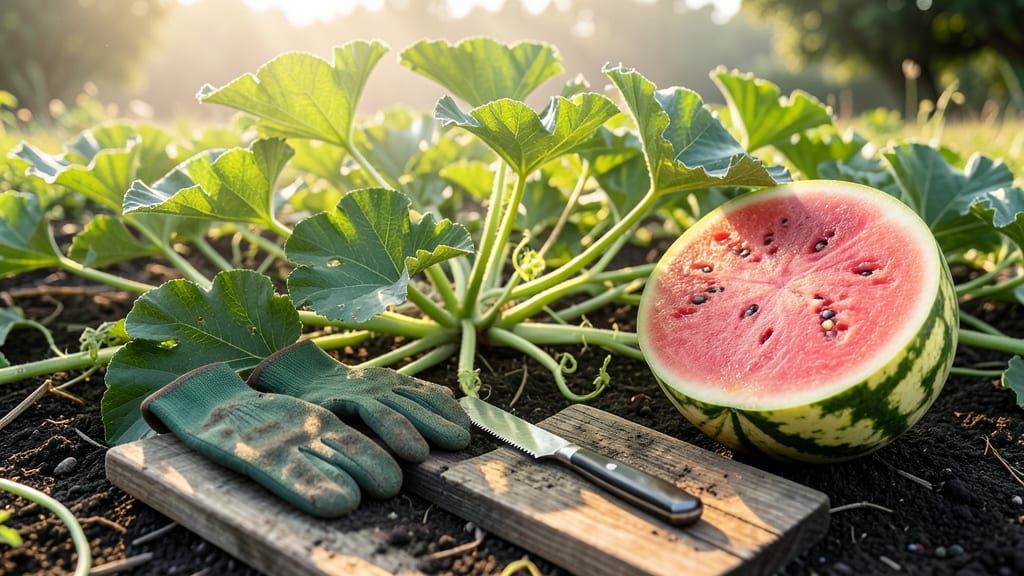
Picking a watermelon off the vine at the right time means the difference between a bursting, sweet slice and a mealy, flavorless disappointment — and the clues are right there in the field if you know where to look.
Ever reached for a melon, only to find it hollow inside or still rock-hard? You’re not alone. The stem twist, rind patterns, and even that mysterious "field spot" all signal ripeness — but many gardeners miss them because they don’t know what to watch for.
In Zone 6, where summer heat speeds up ripening, timing is everything. A yellow tendril near the stem isn’t just a quirky detail; it’s your first cue.
Below, I’ll walk you through the exact visual, tactile, and sound tests to nail the harvest window — and how to adjust for your local climate.
You’ll leave here knowing not just when to pick, but how to confirm it’s perfect every time, whether you’re feasting fresh or storing for weeks.

How to test watermelon ripeness using the stem twist method
There’s nothing worse than biting into a watermelon only to find it’s still hard, bland, or full of seeds. The stem twist method is my go-to trick for knowing when watermelons are truly ripe—no guesswork required.
This field-tested technique relies on the vine’s natural signals, which are far more reliable than just checking the color or size. I’ve used this method for years, and it’s helped me avoid overripe melons that turn mushy or underripe ones that taste like nothing. The best part?
You don’t need any special tools—just your hands and a little patience.
Before you grab your pruners, understand that the stem twist test works because watermelons naturally detach from the vine as they ripen. The vine weakens the stem near the fruit, making it easier to twist off.
But timing is everything—perform this test too early, and you’ll pick a melon that’s still sour and seedy. Too late, and you’ll end up with a mealy, overripe mess. The key is to combine this method with other ripeness cues, like rind patterns and tendril color, for the best results.
Step-by-Step: How to Perform the Stem Twist Test
- 🔍 Choose the right melon: Pick a watermelon that’s at least 80% of its mature size (usually 10-12 inches in diameter) and shows signs of ripening, like a cream-colored spot where it rested on the ground.
- 👆 Locate the stem: Find the main stem connecting the melon to the vine. This is where you’ll focus your test—avoid twisting near the fruit’s blossom end (the opposite side).
- ✋ Grip the stem: Use your thumb and forefinger to pinch the stem about 1-2 inches from the melon’s skin. Apply gentle pressure to feel for any give or softness.
- 🌀 Twist gently: Slowly twist the stem side to side (not up and down) while keeping pressure light. A ripe melon’s stem will twist off easily with minimal force—think of how a dry twig snaps.
- 📋 Interpret the result:
- ✅ Ready to pick: Stem twists off cleanly with little resistance and leaves a dry, brown stub.
- ⏳ Not quite ripe: Stem resists twisting or tears instead of snapping, and the break looks green and wet.
- ❌ Overripe: Stem falls off too easily (like pulling a dry leaf), and the melon feels soft or spongy.
- ✂️ Harvest immediately: If the stem passes the test, use clean pruners or a sharp knife to cut the stem 1-2 inches above the melon. Avoid dragging the melon along the ground to prevent bruising.
The stem twist test is most effective when combined with other ripeness indicators. For example, a ripe watermelon will also have a dull, thudding sound when tapped (not a high-pitched "ping").
The tendril near the stem should turn brown and dry, and the rind near the vine will often develop a cream or yellowish spot. If the stem passes the twist test but the tendril is still green, wait another 2-3 days before harvesting.
One common mistake I see gardeners make is over-twisting the stem, which can damage the melon or the vine. Always use gentle, controlled pressure—think of it like testing a ripe avocado at the grocery store.
Another pitfall is testing the stem too early in the season. Watermelons need at least 75 days to mature, so if your plants are young, the stems will naturally feel firm. Patience is key here!
Regional climate can also affect how the stem behaves. In hot, dry climates (like the Southwest U.S.), stems may dry out faster, making them snap earlier. In cooler, humid regions (like the Pacific Northwest), stems might stay green longer. Adjust your expectations based on your local weather patterns.
For example, if you’re in USDA Zone 9, where summers are long and hot, the stem twist test might work 2-3 weeks earlier than in Zone 6, where cooler nights slow ripening.
If you’re growing watermelons on a trellis or vertical support, the stem twist test still applies, but be extra careful. Trellised melons can develop uneven ripening because their weight pulls on the stem differently.
In this case, also check for even color changes on all sides of the melon before trusting the twist test. And remember: never twist the stem near the blossom end—this is a surefire way to damage the fruit or leave it vulnerable to rot.
Once you’ve mastered the stem twist method, you’ll never second-guess your watermelon harvest again. This technique has saved me from countless underripe, seedy disappointments and helped me grow melons that are bursting with sweetness.
Pair it with the rind pattern and thump test (which we’ll cover next), and you’ll have a foolproof system for picking watermelons at their peak. Trust me, your taste buds will thank you!
Pro tip: If you’re harvesting watermelons for long-term storage (like curing for winter), pick them when the stem snaps easily but the melon still feels firm. For immediate eating, wait until the stem twists off with almost no resistance—this ensures maximum sweetness and juiciness. Happy harvesting!
Watermelon rind patterns and colors that signal peak ripeness
The rind of a watermelon is like its ripeness report card, packed with visual clues that reveal when it’s time to harvest. A deep, consistent color and distinct patterns aren’t just for looks—they’re nature’s way of telling you the fruit is ready.
In Zone 6, where summers can be intense, these cues become even more critical to avoid overripe or underripe melons.
Start by examining the field spot, the cream-colored patch where the melon rested on the ground. When ripe, this spot should turn yellow or pale cream, indicating the fruit has fully matured.
Next, check for deep, uniform color—stripes or spots should be bold and vibrant, not faded or patchy. Sunlight plays a huge role here: melons grown in full sun develop richer colors faster than those in partial shade.
| Rind Characteristic | Ripe Indicator | Regional Note |
|---|---|---|
| Field Spot Color | Cream/yellow (not white) | Dries faster in hot zones |
| Stripe/Spot Depth | Bold, consistent (no fading) | Cloudy days dull colors |
| Rind Texture | Slightly tough but yields to pressure | Drought stress makes rinds harder |
| Crease Pattern | Deep, well-defined ridges | Cooler climates develop slower |
Pay close attention to the crease patterns along the melon’s sides. Ripe watermelons develop deep, well-defined ridges that feel slightly rough to the touch. In cooler climates or high-altitude areas, these creases may take longer to form, so combine this with other cues.
A dull thud when tapped (not a hollow echo) is another telltale sign—this means the fruit’s internal structure has fully developed.
Sunlight exposure also alters rind development. Melons grown in intense summer heat (like Zone 6’s July-August) ripen faster, so their rinds may darken more quickly. Conversely, partial shade can lead to uneven coloring or pale stripes.
If your melons are in containers, rotate them weekly to ensure even sun exposure and consistent ripening.
Finally, don’t overlook the stem end. A ripe watermelon’s stem will feel slightly dry and papery, while the tendril nearest the fruit turns brown and crispy. This is your final confirmation—when combined with the rind’s visual cues, you’ve got a foolproof system for harvesting at peak ripeness.
Now you’re ready to slice into that perfect, juicy watermelon every time!