
How To
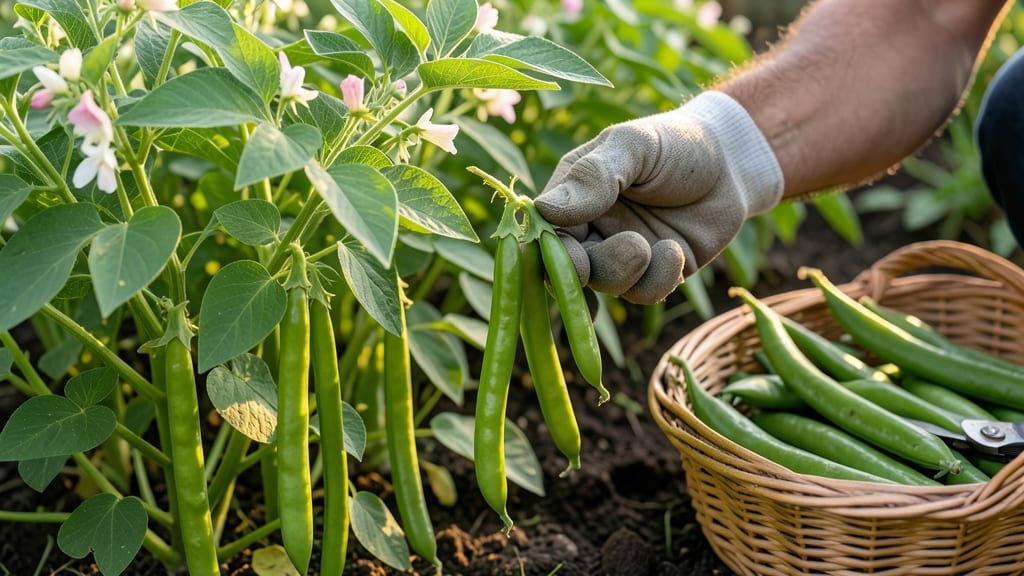
Picking bush beans at the right time turns a 50-60 day wait into crisp, sweet pods that snap with every bite. 🌱
Here’s the catch: harvest them too early, and you’re left with tough, stringy beans. Wait too long, and they turn woody or shatter into seed pods. The secret? A simple stem flex test that tells you exactly when they’re ready—no guesswork.
Most varieties hit peak flavor around 60 days after planting, but heat waves, heavy rain, or even your watering routine can shift that window. Learn how to read the pods’ size, color, and firmness so you never miss the sweet spot.
Below, I’ll show you how to check ripeness in seconds, adjust for your climate, and keep your plants producing for weeks—no wasted harvests here.

The stem flex test: how to check bean ripeness instantly
Perfectly ripe bush beans should snap like a green rubber band—not too soft, not too tough. The stem flex test is my go-to trick for nailing that tender-crisp window every time.
This tactile method combines visual cues with a simple bend test to eliminate guesswork, ensuring you harvest at peak flavor.
Why does this matter? Beans lose their sweetness and texture fast—just 24 hours past their prime, and they turn woody. The flex test works for all bush varieties, from Blue Lake to Contender, and adapts to your climate’s quirks (like heat waves or cool snaps).
Here’s the science: As pods mature, their cell walls strengthen. A slight bend at the stem signals ideal ripeness—no snap means too early, too easy means overripe. Master this, and you’ll extend your harvest by 3-4 weeks per plant.
Most gardeners overlook the stem flex test because they focus only on pod size or color. But the tactile feedback is what separates great harvests from so-so ones.
For example, my Blue Lake beans in Zone 7 often pass the size test but fail the flex test in July’s heat—until I adjust my picking schedule.
Timing is everything: Pick in the morning when pods are cool and firm. Avoid harvesting after rain, as pods absorb moisture and feel softer (leading to overripe mistakes). Pro tip: Use a small pruning shears to snip stems cleanly—this prevents disease entry points and encourages more pods to form.
Common mistakes? Overwatering before harvest makes pods mushy, while underwatering causes them to toughen. I once lost a week’s worth of beans because I assumed "big pods = ready," only to find they were dry and stringy inside. The flex test would’ve saved me that heartache.
Here’s how to extend your harvest: Pick every 2-3 days during peak season (July-August). This signals the plant to produce new pods instead of letting old ones overripe. In my garden, this method adds 10-14 extra days of harvest compared to picking weekly.
Remember: The flex test isn’t just about flavor—it’s about plant health. Overripe beans cause the plant to stop producing and divert energy to seed development. By mastering this test, you’ll keep your bush beans happy, productive, and delicious all season long. 🌱
Optimal harvest windows for different bush bean varieties
Not all bush beans mature on the same schedule—some varieties like Blue Lake reach peak flavor in just 55 days, while Roma beans take up to 65 days. Knowing these differences ensures you harvest at the perfect moment for crisp, tender pods. 🌱
Each variety also has unique visual cues: Blue Lake beans turn a vibrant deep green and grow to 5-6 inches, while Contender beans stay slightly shorter (4-5 inches) but develop a glossy finish. Ignoring these clues can lead to tough or stringy beans.
| Variety | Days to Maturity | Pod Size | Color | Harvest Cue |
|---|---|---|---|---|
| Blue Lake | 55-60 days | 5-6 inches | Deep green | Pod snaps when bent |
| Contender | 50-55 days | 4-5 inches | Glossy green | Seeds visible but flat |
| Roma | 60-65 days | 4-5 inches | Dark green | Skin yields slightly |
| Kentucky Wonder | 55-60 days | 6-7 inches | Bright green | Pod plump and firm |
Heat and humidity can speed up maturity—Contender beans might be ready in 45 days in hot climates, while cooler weather may extend the timeline to 65 days. Always adjust your expectations based on your local growing conditions. ✂️
For maximum yield, harvest every 2-3 days once pods appear. This trick encourages plants to produce more beans, keeping them in peak condition for weeks. Skipping harvests can lead to overripe pods that turn woody or shatter open. 🌿
Pro tip: Use a morning harvest routine to avoid soggy pods from overnight dew. Store freshly picked beans in the fridge for up to 5 days to preserve their crisp texture and sweetness. 💧