
Vegetables
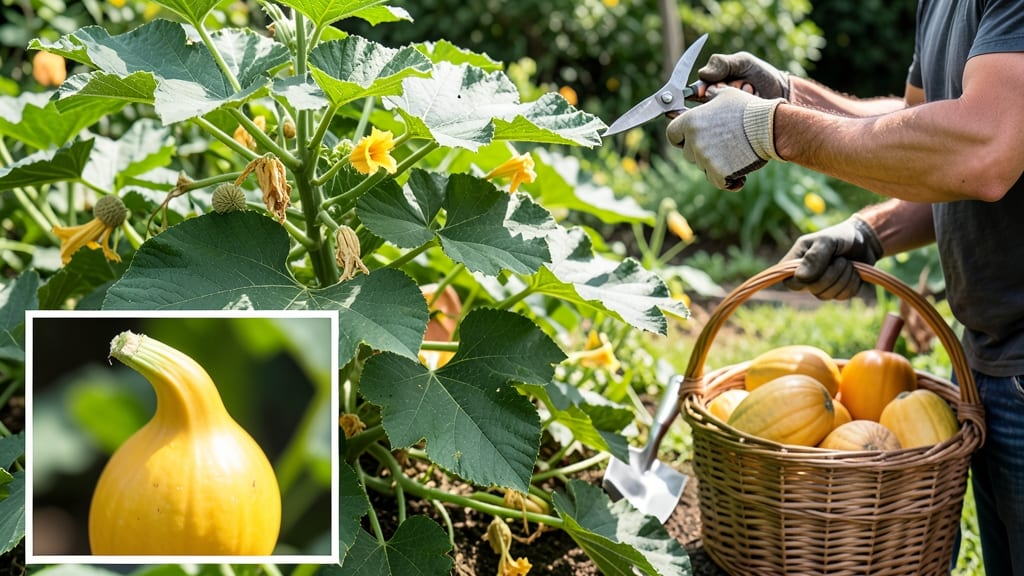
To pick crookneck squash 🎃 at the perfect moment means capturing its peak sweetness—before the plant bolts and the flavor turns bitter.
Picture this: you’ve nurtured your vines all summer, and now the real test begins. One wrong move, and you’re left with tough, seedy squash that’s barely edible. But with the right timing, you’ll harvest tender, flavorful fruit that tastes like summer in every bite.
Here’s the secret: pay attention to three key visual cues—color shifts, neck curvature, and skin hardness—that tell you exactly when to reach for your pruners. Miss these signs, and you risk wasting weeks of hard work.
Below, I’ll walk you through each clue, what happens if you pick too early or too late, and how to stretch your harvest season before the plant decides it’s time to flower.
3 Visual cues to harvest crookneck squash at perfect ripeness
Timing your crookneck squash harvest is everything—pick too soon, and you’ll get bitter, underdeveloped fruit. Wait too long, and the flesh turns woody and seedy. The key? Watching for these 3 visual cues that signal peak ripeness, all before the plant starts flowering.
I’ve learned the hard way that ignoring these signs leads to wasted effort, so let’s dive into what to look for in your garden.
Crookneck squash matures quickly, typically between 50-60 days after transplanting, but visual clues are more reliable than counting days. The skin color, neck curvature, and rind hardness all work together to tell you when to grab your pruners.
Mastering these cues means you’ll enjoy the sweetest, most tender squash possible—ready for roasting, grilling, or stuffing. Let’s break down each signal so you never miss the window again.
🌱 3 Signs Your Crookneck Squash Is Ready to Harvest
-
1. Skin Color Shifts from Green to Cream or Yellow
Look for a dull, matte finish—not shiny green. The neck area often turns first, signaling ripeness. -
2. Neck Curves Sharply (Like a Crook!)
The classic crookneck shape forms when the squash is ready. If it’s still straight, wait 2-3 more days. -
3. Rind Resists Fingernail Pressure
Press your fingernail into the skin. If it doesn’t dent easily, the squash is firm and ready for harvest.
I always check the skin color first because it’s the most obvious change. Start by examining the neck of the squash—this is where the color shift begins. A dull, cream-colored hue means it’s ready, while a bright green means it needs more time.
Pro tip: Avoid harvesting in the heat of the day; morning harvests keep the squash fresher longer.
The neck curvature is my favorite cue because it’s unique to crookneck varieties. When the squash starts to bend sharply (like a shepherd’s crook), that’s your green light. I’ve seen gardeners miss this sign by focusing only on size—don’t make that mistake!
The curve happens quickly, so check your plants every 2-3 days once they near maturity.
Don’t overlook the texture test—this is the final confirmation. A ripe crookneck squash should feel rock-hard when you press it. If you can still dent the skin with your fingernail, give it another day or two.
I’ve learned that overripe squash loses its sweetness and becomes tough, so this test is non-negotiable for me.
One common mistake I see is harvesting based on size alone. A crookneck squash might look big but still be underripe if the skin is soft. Always combine all three cues: color, shape, and texture.
If two out of three aren’t met, wait a little longer. Patience here pays off with sweeter, more flavorful squash.
Harvesting at the right time also prevents the plant from bolting (flowering prematurely), which can reduce your yield. Once the squash starts to flower, the fruit becomes seedy and bitter.
I’ve had seasons where I ignored these signs, and by the time I realized my mistake, half my crop was past its prime. Now, I set a reminder to check my plants daily during peak harvest season.
After harvesting, store your crookneck squash in a cool, dry place (like a pantry) where it’ll keep for 2-3 weeks. Avoid refrigerating whole squash—it can cause the skin to turn soft.
If you’re unsure whether a squash is ready, err on the side of waiting. Underripe squash can still be used in cooking (like in soups), but it won’t have that rich, nutty flavor you crave.
Mastering these visual cues has transformed my crookneck squash harvests. No more bitter surprises or wasted effort—just perfectly ripe squash straight from the vine. Grab your pruners, head to the garden, and happy harvesting! The sooner you act on these signs, the sooner you’ll be enjoying your homegrown bounty. 🎃
What happens if you pick too early or too late?
Harvesting your crookneck squash at the wrong time can turn your summer’s work into disappointment. When you pick too early, the fruit remains underdeveloped, with bitter, watery flesh that lacks the sweetness you crave.
I’ve tasted underripe squash straight from the vine—it’s like eating a bland, rubbery cucumber. The seeds are tiny and the walls are thin, making it barely edible raw or cooked.
On the flip side, waiting too long leads to woody texture and overly seedy flesh. The squash becomes tough, almost inedible unless you’re making pumpkin puree.
I once left a batch too long, and by the time I noticed, the skin was rock-hard and the inside was packed with large, bitter seeds. The flavor had completely vanished, replaced by a starchy, pasty taste that ruined my planned stuffed squash recipe.
✅ Picking Too Early
- ✔ Small size (under 6 inches)
- ✔ Bright green skin (no dulling)
- ✔ Soft rind (dents easily)
- ✔ Bitter taste (high cucurbitacin)
- ✔ Thin walls (under ¼ inch)
❌ Picking Too Late
- ✖ Large size (8+ inches)
- ✖ Dull yellow/brown skin (overripe)
- ✖ Rock-hard rind (difficult to cut)
- ✖ Woody texture (fibrous flesh)
- ✖ Large seeds (bitter, tough)
If you’ve picked your crookneck squash too early, don’t toss it! Underripe squash can still be used in cooked dishes where bitterness is masked, like soups or stews. I’ve saved many a nearly-wasted squash by slicing it thin and cooking it down with onions and broth.
The texture softens, and the flavor becomes more palatable. For raw use, though, underripe squash is best avoided—it simply lacks the nutty sweetness that makes crooknecks special.
For squash that’s overripe, your best bet is to peel and seed it before cooking. The outer layers become fibrous, but the inner flesh can still be used in baked goods or purees. I’ve made excellent pumpkin bread using overripe squash by roasting it first to soften the texture.
The key is to remove all seeds and any tough skin before processing. If the squash has started to develop mold or soft spots, compost it—it’s no longer safe to eat.
To avoid these mistakes, I now check my squash every 2-3 days during peak season. Set a reminder on your phone or mark your calendar—crookneck squash ripens faster than you think! The moment the neck curves sharply and the skin turns dull, that’s your cue to harvest.
Waiting just one more day can mean the difference between tender perfection and woody disappointment. Trust me, your taste buds will thank you.
One final tip: Harvest in the morning when temperatures are cool. This preserves the squash’s freshness and sweetness longer. Store harvested squash in a dry, shady place (not the fridge) where it’ll keep for 2-3 weeks.
Proper timing and storage mean the difference between a flavorful harvest and a bitter disappointment. Now go check your garden—your perfect squash might be waiting! 🎃