
How To
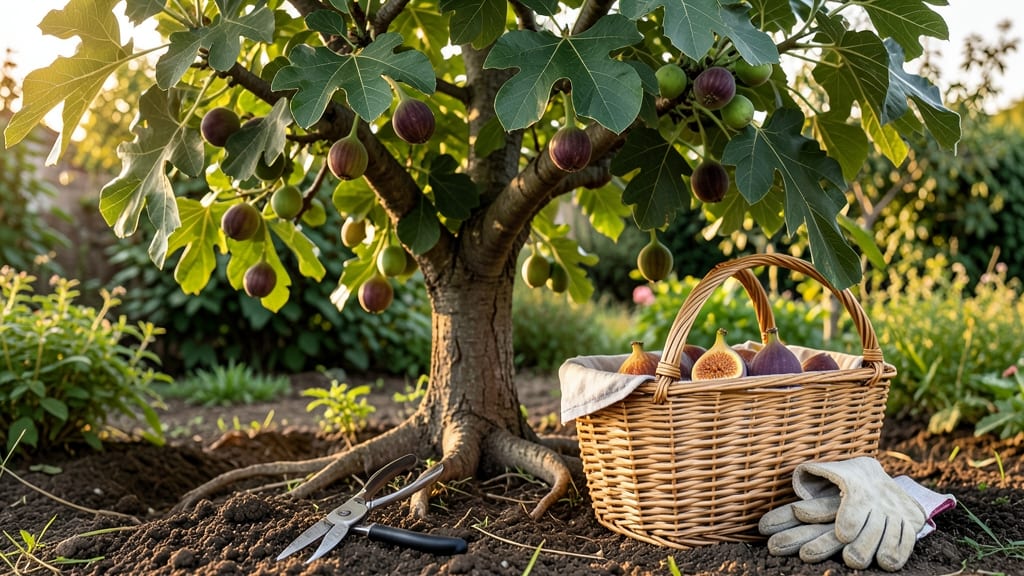
To pick figs off tree at the perfect moment means catching them when they’re sweetest, juiciest, and ready to eat—before they turn mushy or attract pests.
Picking figs too early means tough, bland fruit, while waiting too long turns them into a sticky mess. The difference between a perfect harvest and a wasted batch comes down to knowing the exact signs of ripeness.
Most figs reach peak ripeness in late summer to early fall, but the real trick is checking for color shifts, stem detachment, and that satisfying give when you press them. Whether you’re growing Brown Turkey or Mission varieties, these cues ensure you never miss the window.
Below, I’ll walk you through the color, texture, and stem tests that guarantee a harvest of flawless, restaurant-worthy figs—plus what to do if you pick them too soon (or too late).

How to test fig ripeness using color, firmness, and stem signs
Figs are ready to pick when they pass three simple tests: color consistency, gentle pressure, and stem detachment. These signs work for most varieties, but Brown Turkey and Mission figs have slightly different cues.
Ignoring these signals often leads to either hard, underripe fruit or mushy, overripe pulp that’s a magnet for wasps.
Start by examining the skin color. Ripe figs lose their greenish tint and develop a deep, uniform hue—purple for Mission figs, brown for Brown Turkey, or yellow-green for Celeste varieties.
A single green spot means it’s not ready yet. This visual cue is your first clue that the fruit is maturing properly.
| Variety | Color at Ripeness | Firmness Test | Stem Detachment |
|---|---|---|---|
| Brown Turkey | Deep purple-brown | Yields slightly when pressed | Snaps cleanly at stem |
| Mission | Deep purple | Soft but not mushy | Pulls away easily |
| Celeste | Yellow-green | Firm but slightly soft | Stem separates with gentle twist |
| Black Mission | Dark purple-black | Very soft, almost jelly-like | Drops on its own |
Next, perform the firmness test. Gently press a fig with your thumb—it should feel slightly soft, like a ripe avocado, but not mushy. If it springs back immediately, it’s underripe.
Overripe figs will leave a dent or feel squishy. This tactile check is especially critical for Black Mission figs, which can go from perfect to unpalatable in a single day.
The stem test is often the most reliable indicator. Grasp the fig’s stem and give it a slight twist or tug. A ripe fig’s stem should separate cleanly from the branch, while an unripe one will resist.
For Celeste figs, the stem might even snap off on its own—this is a sure sign it’s ready to pick. If the stem stays attached, wait another day or two.
Timing matters too. Harvest in the morning when temperatures are cooler, as figs ripen faster in heat. Check your tree every 1-2 days during peak season (late summer to early fall) to avoid missing the window.
Pro tip: Use a harvest basket lined with paper towels to catch any figs that drop prematurely.
For container-grown figs, ripeness tests are the same, but monitor more closely since potted trees can overproduce fruit. If your figs are crowded on the tree, prioritize the largest, most colorful ones first.
Thinning overripe figs prevents wasps from targeting the entire crop and spreads out your harvest for fresh eating.
One common mistake is assuming all figs ripen at once. Brown Turkey trees often produce two crops: a smaller spring batch and a larger summer crop.
Track each fig’s progress individually, especially if you’re growing multiple varieties. A color chart or small notebook can help you stay organized during harvest season.
Finally, store freshly picked figs in the fridge for up to 5 days to slow ripening. If you’ve picked them too early, place them in a paper bag with a banana to speed up ripening using ethylene gas.
This trick works wonders for Mission figs that need an extra day or two to soften.
Mastering these three tests—color, firmness, and stem detachment 🌱
Best time of day and season to harvest figs for maximum flavor
Harvesting figs at the right time of day and season makes all the difference in flavor and texture. Figs ripen fastest when temperatures are warm but not scorching—typically between 75°F and 85°F (24°C–29°C).
Morning harvests often yield sweeter fruit because overnight cooling preserves natural sugars, while afternoon heat can make them slightly softer and more prone to bruising.
Seasonal timing varies by USDA zone. In Zones 9–11, figs ripen as early as June or July, while Zones 7–8 see peak harvests in August through September. Late-season frosts can ruin unharvested fruit, so monitor your local forecast and act quickly once figs reach peak ripeness.
Cold temperatures below 50°F (10°C) slow ripening and can cause figs to develop a mealy texture. Conversely, extreme heat above 95°F (35°C) accelerates ripening, sometimes leading to overripe fruit that splits open. Aim to harvest when daytime highs stay in the mid-80s°F (28°C–30°C) range for optimal sweetness.
- Morning Harvest: Best for sweetest flavor (pick between 8–10 AM when dew has dried).
- Seasonal Windows: Zones 7–8: Late August–September; Zones 9–11: June–July.
- Temperature Rule: Harvest when temps are 75°F–85°F (24°C–29°C) for peak texture.
- Avoid Heatwaves: Skip harvesting if temps exceed 95°F (35°C)—fruit may overripen quickly.
- Frost Watch: In Zones 7–8, harvest before first frost (typically October).
Figs ripen unevenly on the tree, so check them every 2–3 days once they start coloring. If left too long, they’ll drop to the ground or attract wasps and birds.
A quick trick: Gently twist a fig—if it separates easily from the stem, it’s ready. If the stem resists, wait another day or two.
After harvesting, store figs in the fridge for up to 5 days to slow ripening, or eat them immediately for the best flavor. If you’re unsure whether a fig is ripe, taste a small sample—underripe figs taste bitter or bland, while overripe ones turn mushy and fermented.
With the right timing, you’ll enjoy figs at their peak sweetness and texture every season.
Pro tip: Mission figs ripen slightly earlier than Brown Turkey varieties, so adjust your harvest schedule accordingly. Keep a small notebook to track your tree’s ripening patterns year after year—your future harvests will thank you!