
How To
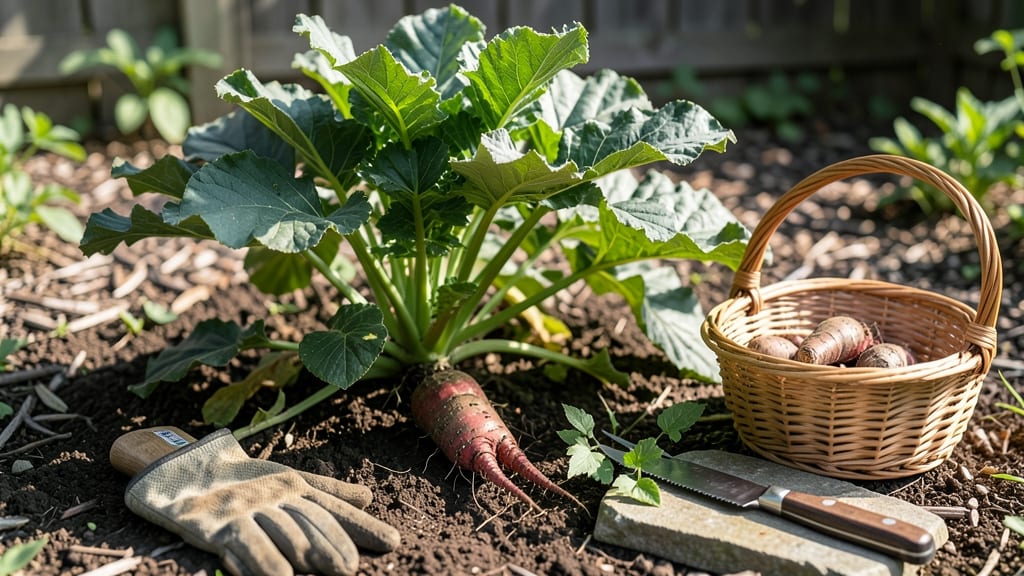
To pick horseradish at its peak spice, aim for late fall when roots reach 1-2 inches in diameter and leaves begin yellowing 🌱 — timing makes all the difference between bold flavor and bland disappointment.
Harvesting too early means puny roots, while waiting too long risks a softer texture and weaker kick. I’ve learned that lesson the hard way after digging up a two-year-old root that tasted like a sad carrot.
Look for firm, woody roots with a sharp aroma when cut — that’s your green light. Season matters too: spring harvests work, but fall roots pack the most heat for sauces and storage.
Below, I break down the exact signs to watch for, seasonal timing tips, and how to store your harvest so it stays fiery all winter long.

How to identify mature horseradish roots by size and texture
Horseradish roots reach their peak flavor and pungency when they’ve matured for at least one full growing season. The key is knowing what to look for underground—root diameter, texture, and weight all signal when it’s time to harvest.
I’ve found that roots under 1 inch in diameter often lack the bold kick you crave in recipes.
Mature horseradish roots should feel firm and woody to the touch, like a small carrot but denser. If you gently press the root and it feels soft or spongy, it’s not ready yet.
The skin should be smooth, not rough or cracked, which can happen if the plant is stressed or overwatered.
Size matters most—aim for roots that are 1-2 inches thick at their widest point. These roots pack the strongest flavor because they’ve had time to develop complex compounds. I once dug up a 3-inch root that was so potent it made my eyes water when I cut it!
Weight is another telltale sign. A mature horseradish root should feel heavy for its size due to its dense composition. Hold it in your hand—if it feels light or hollow, it hasn’t stored enough starches and oils for peak flavor.
Think of it like comparing a ripe potato to a green one.
Don’t overlook the aroma test. Cut a small piece of the root and sniff it. A mature root will have a sharp, pungent smell that’s unmistakable. If it smells mild or earthy, it’s not ready. This test is foolproof—I’ve used it for years to avoid bland harvests.
Here’s my pro tip: Dig up a test root in early fall to check its size and texture. If it’s not mature, leave it in the ground and harvest again in late fall or early winter.
Horseradish roots continue to grow and intensify in flavor as long as the plant stays healthy.
| Root Characteristic | Optimal Harvest Signs | What It Means |
|---|---|---|
| Diameter | 1-2 inches | Root has developed maximum starches and oils for bold flavor. |
| Texture | Firm and woody | Indicates maturity and high pungency levels. |
| Weight | Heavy for size | Dense composition signals peak flavor storage. |
| Aroma | Sharp and pungent | Strong smell confirms high allyl isothiocyanate content. |
| Skin | Smooth and unbroken | Avoids rough or cracked skin, which can reduce flavor. |
The stem separation test is another trick I swear by. Gently tug on the stem—if it pulls away cleanly from the root, it’s ready to harvest. This shows the root has fully detached from the plant’s energy supply, which usually happens when it’s mature.
If the stem resists, the root needs more time.
One mistake I see often is harvesting horseradish too late. Over-mature roots can become soft and fibrous, losing their sharp bite. If you notice the leaves turning completely yellow and dying back, it’s your last chance to dig before the root’s quality declines.
Think of it as the plant’s way of saying, “Take me now!”
If you’re growing horseradish in containers, the same rules apply, but check roots more frequently since space is limited. Container-grown roots may mature faster due to restricted soil volume. I’ve had success with container horseradish in 5-gallon buckets, harvesting roots as small as 1 inch but still potent.
Finally, remember that horseradish roots continue to grow after harvest, so you can dig as needed throughout the season. Store freshly harvested roots in cool, moist sand in a dark place to preserve their spice until you’re ready to use them. This method keeps them crisp and flavorful for months.
Leaf color and growth patterns that signal harvest readiness
Your horseradish plant’s foliage acts like a flavor meter—specific leaf color changes and growth patterns directly correlate with root maturity. When leaves shift from vibrant green to yellowish-green or bronze, it’s your first visual cue that the root below is developing maximum pungency.
This color transformation typically begins in late summer and intensifies as fall approaches.
Pay attention to leaf size reduction too. Mature horseradish plants often show smaller, thicker leaves near harvest time, especially on the lower stems. This shrinkage happens as the plant redirects energy from foliage growth to root development.
I’ve noticed my most flavorful roots come from plants where the bottom leaves have shriveled completely while the top remains green.
Don’t ignore stem thickness either. As roots mature, the main stems become noticeably thicker and woody. Run your fingers along the stem—if it feels hard and rigid rather than soft, the root below is likely ready.
This physical change often appears when the plant reaches its second growing season.
- 1. Leaf Color Shift: Bronze or yellow-green leaves signal root maturity
- 2. Size Reduction: Bottom leaves shrink as energy moves to roots
- 3. Stem Thickening: Woody stems indicate developed root systems
- 4. Leaf Drop: 50%+ leaf yellowing means harvest window is open
- 5. Growth Slowdown: New leaves appear stunted or stop growing
The most reliable indicator is leaf yellowing progression. When about 50-70% of leaves turn yellow and begin dying back, that’s your optimal harvest window. This typically happens in late October in most climates, but watch your plants—not the calendar.
I once harvested in early November after a warm spell and got roots that were even more potent than expected.
One mistake I made early on was waiting for complete leaf death before harvesting. By then, the roots had started softening. The sweet spot is when leaves are partially yellow but still attached.
This stage ensures maximum flavor while maintaining root firmness. Think of it like harvesting kale—you want the leaves to still be mostly green, not completely wilted.
For container-grown horseradish, these foliage signs appear slightly earlier due to limited soil volume. Check leaves weekly starting in September—container plants often mature 2-3 weeks ahead of in-ground varieties.
If you notice leaves curling or developing brown edges, it might signal over-maturity or stress, so harvest promptly to preserve flavor.
Pro tip: Combine leaf observations with the root aroma test mentioned earlier. When foliage shows these maturity signs, dig up one root to check its smell. If it’s sharp and pungent, your entire patch is ready. This two-step verification system has never failed me—no more bland horseradish surprises!