
How To
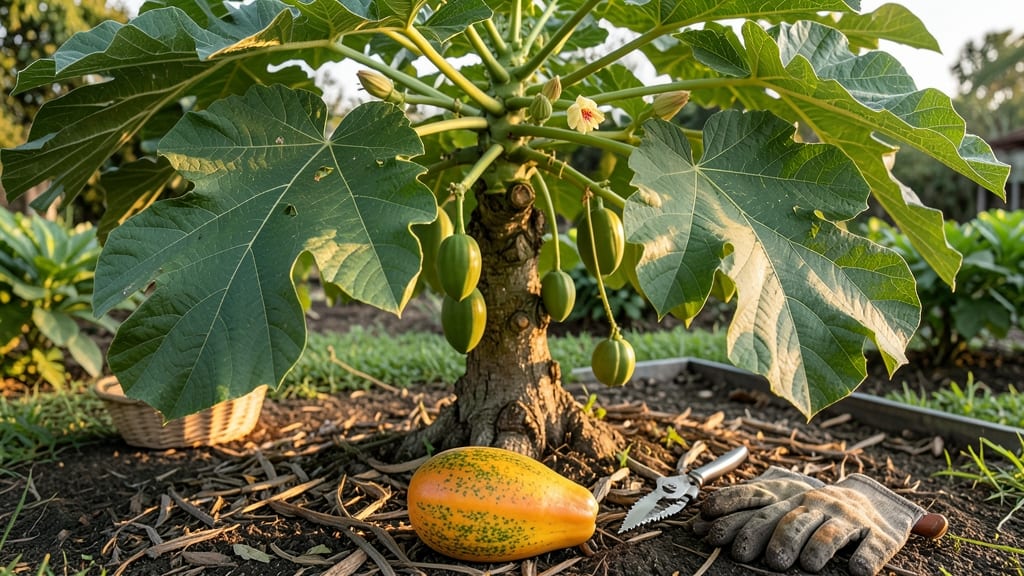
To pick papaya at the perfect moment means catching it when the fruit is sweet, tender, and bursting with flavor—not before or after.
Picking papaya at the wrong stage means sacrificing sweetness, texture, and flavor—so how do you know when these tropical fruits are truly ripe for the harvest? 🍈
Most gardeners wait for the skin to turn bright yellow or orange, but that’s just the beginning. The real test lies in a few simple touch-and-taste cues that reveal whether your papaya is ready to eat—or still needs time on the tree.
Below, I’ll walk you through the three key signs to harvest papaya at peak ripeness, plus how climate and variety affect timing for that ideal harvest window.

3 Touch-and-taste tests to determine papaya ripeness
Papayas are notoriously tricky to harvest at peak ripeness—pick too early, and you’ll get a bland, mealy fruit. Wait too long, and the flesh turns mushy or bitter. The secret? Three simple touch-and-taste tests that reveal the perfect moment to harvest.
These methods work for homegrown and store-bought papayas, whether you're growing yellow, orange, or red varieties.
Unlike apples or bananas, papayas don’t ripen well after picking. That means your harvest timing is everything. The good news? You don’t need fancy tools—just your hands, nose, and a little patience. Master these tests, and you’ll never miss a sweet, perfectly ripe papaya again.
Pro Tip: Test your papaya in the morning after watering, when the fruit’s moisture content is highest. This gives you the most accurate reading for firmness and scent.
🌱 3 Signs Your Papaya Is Ready to Pick
- 🟡 Skin Color: Fully changes from green to uniform yellow, orange, or pink (no green patches).
- 🤲 Stem Softness: Gives slightly when pressed (like a ripe avocado) but doesn’t dent deeply.
- 👃 Scent Intensity: Releases a sweet, tropical aroma at the stem end (like a mix of cantaloupe and honey).
Let’s break down each test in detail, including what to look for and what to avoid. Start with the skin color test, as it’s the most obvious (and often the first sign). Look for a consistent hue across the entire fruit—no streaks or uneven patches.
For the stem softness test, gently press your thumb into the papaya’s skin near the stem. If it yields slightly but springs back, it’s ripe. If it’s rock-hard or mushy, it’s not ready. Think of it like testing a peach or melon—just with a firmer touch.
The scent test is my favorite because it’s foolproof. Hold the papaya near your nose and sniff the stem end. A ripe papaya should smell intensely sweet and tropical, almost like a blend of mango and vanilla. If it smells neutral or fermented, it’s past its prime.
Warning: Never pick a papaya based on size alone. Some varieties (like SunUp) stay small but ripen fully, while others (like Red Maradol) grow large but need extra time to sweeten. Always combine these three tests for accuracy.
If you’re growing papayas in cooler climates (Zones 9-11), timing matters even more. Harvest in the late summer to early fall when temperatures stay above 70°F. In tropical zones (10-12), papayas can ripen year-round, but avoid picking during heavy rains, as excess moisture can dilute flavor.
Once you’ve confirmed ripeness, harvest by twisting the fruit gently until it separates from the tree. Use pruning shears only if needed—never cut the stem, as this can cause rot.
Store ripe papayas at room temperature for 2-3 days to enjoy peak sweetness, or refrigerate for up to a week if unripe.
Now that you’ve mastered these tests, you’ll never second-guess your papaya harvest again. Next time, try the taste test: Cut open a ripe papaya and look for deep orange flesh with black seeds (or red seeds for heirloom varieties).
The flesh should be juicy, sweet, and slightly fibrous—not dry or bitter.
Papaya ripeness by variety: when to harvest yellow vs. orange vs. red papayas
Not all papayas ripen the same way—color isn’t just about aesthetics but directly impacts sweetness, texture, and flavor. Yellow varieties like SunUp develop a bright citrus hue, while Red Maradol papayas turn deep pink-orange with a creamy interior.
Even the seed color (black vs. red) hints at ripening stage. Understanding these differences ensures you harvest at peak flavor, not just visual readiness.
The skin color of a ripe papaya is your first clue, but the variety dictates timing. Hybrid types like Golden Honey ripen faster (6-8 months) than heirlooms like Solo, which can take up to 12 months.
Climate also plays a role—tropical zones allow year-round ripening, while cooler climates (Zones 9-11) require earlier harvests before first frost.
Pro Tip: For yellow papayas, wait until the skin turns uniform golden with no green patches. Orange varieties should deepen to a peach or salmon hue, while red papayas develop a bright pink blush. The flesh inside should match: yellow-orange for hybrids and deep pink for heirlooms.
| Variety | Ripe Skin Color | Flesh Color | Sweetness Level | Harvest Time |
|---|---|---|---|---|
| SunUp (Yellow) | Bright golden-yellow | Pale yellow-orange | Medium-high | 6-8 months |
| Golden Honey (Orange) | Peach-orange | Deep orange | High | 7-9 months |
| Red Maradol (Red) | Pink-orange blush | Creamy pink | Very high | 9-12 months |
| Solo (Heirloom) | Deep red-pink | Bright pink-red | Highest | 10-14 months |
Heirloom varieties like Solo often take longer to ripen but deliver richer flavor and creamier texture. Their red seeds are a telltale sign of full ripeness, while hybrids like SunUp have black seeds and ripen faster.
If you’re growing multiple varieties, keep a harvest log—some fruits may ripen weeks apart on the same tree.
Warning: Never assume a papaya is ripe based on size alone. A Red Maradol might stay small but pack intense sweetness, while a SunUp could grow large but remain tart if harvested too early. Always combine color, scent, and touch tests for accuracy, especially with heirloom types.
For cooler climates, prioritize harvesting yellow and orange varieties first—they ripen faster than red types. Store unripe papayas at room temperature with a banana or apple to speed up ripening (ethylene gas triggers color change).
Once ripe, refrigerate to slow sugar breakdown and extend freshness for up to 7 days.
Now that you’ve mastered variety-specific ripening, you’ll know exactly when to pluck that perfectly sweet papaya—whether it’s a tropical yellow or a deep red heirloom.
Next time, try the taste test: Cut open a ripe papaya and look for juicy, sweet flesh with minimal fiber—the ultimate reward for patient harvesting! 🌱