
How To
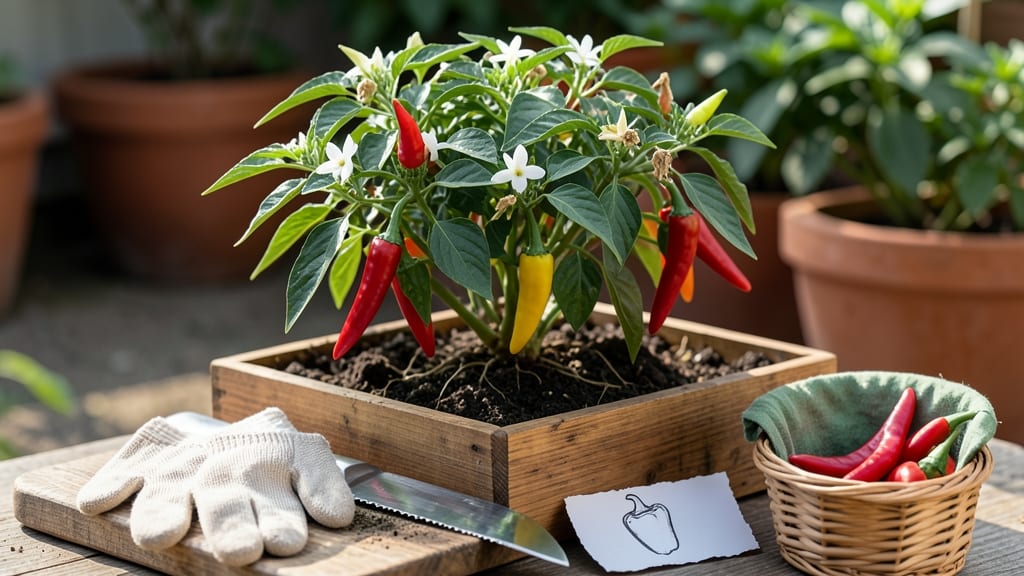
Picking red chili peppers at the right time means capturing peak heat and flavor—wait too long, and you risk losing both.
Harvesting too early can leave you with bland, underripe peppers, while waiting too late might mean tough, shriveled pods or even losing them to frost. The key is knowing when the color shifts from deep green to vibrant red and the stem flexes just enough to snap cleanly.
In USDA Zone 6a, your window runs from July to October, but the exact timing depends on sunlight, temperature, and the specific variety.
A few extra days in the heat can turn mild peppers into fiery gems, so learning the signs of readiness is the difference between a disappointing harvest and a kitchen full of flavor.
Below, I’ll walk you through the color cues, the stem flex test, and how to adjust for your climate—so you never miss the perfect moment to pick.


How to determine chili pepper ripeness by color and heat development
Chili peppers start green because they contain chlorophyll, the same pigment that makes leaves green. As they ripen, chlorophyll breaks down, revealing capsanthin and capsorubin, the pigments responsible for red, orange, and yellow hues.
This color shift isn’t just about looks—it’s a sign that capsaicin, the compound that gives peppers their heat, is peaking.
The heat level in chili peppers actually increases as they ripen and turn red. For example, a jalapeño picked green might test at 2,500–5,000 Scoville Heat Units (SHU), but if left to ripen to red, it can jump to 8,000–15,000 SHU.
This is why red chili peppers often pack a punch compared to their green counterparts.
Not all peppers follow the same ripening path. Some varieties, like bell peppers, turn red but lose heat entirely, while others, such as habaneros or cayennes, become even hotter. Understanding your specific variety’s color progression is key to knowing when to harvest for maximum flavor and heat.
🌶️
Temperature plays a huge role in ripening. In hot climates (Zones 9-11), peppers may ripen faster and reach peak heat in just 60–75 days. But in cooler zones (Zones 6-8), like my USDA Zone 6a, the process can stretch to 90–120 days.
If frost threatens before your peppers turn red, harvest them green and let them ripen indoors near a sunny window.
Light also affects ripening. Peppers need 6–8 hours of direct sunlight daily to develop full color and heat. If your plants are shaded, they’ll stay green longer and may never reach their peak heat potential.
I’ve seen this firsthand with my jalapeños—those in full sun turned vibrant red, while the shaded ones stayed pale green.
Don’t forget to check the stem when evaluating ripeness. A mature pepper’s stem should flex slightly but snap cleanly when bent—this indicates the pepper is ready to pick.
If the stem bends without snapping, it’s not fully ripe yet. This stem flex test is a foolproof way to confirm ripeness alongside color cues.
🌿
Some gardeners swear by the "snap test" for peppers. Gently twist the pepper at the stem—if it separates cleanly with a slight crack, it’s ready. If it resists or pulls out with the stem, it needs more time.
This method works especially well for long, slender peppers like finger chilis or serrano peppers, where color can be harder to judge.
Finally, pay attention to the skin texture. A perfectly ripe pepper should feel firm but slightly leathery. If the skin is soft or wrinkled, the pepper is overripe. Overripe peppers lose their heat intensity and develop a bitter taste, so timing is everything.
In my garden, I’ve lost entire batches of habaneros to overripening—always better to pick a day early than too late!
The stem flex test: a reliable method to check pepper maturity
Color alone isn’t always enough to determine if your red chili peppers are ready for harvest. That’s where the stem flex test comes in—a simple, hands-on method that tells you when peppers have reached their peak heat and flavor.
This test works because mature peppers develop a woody stem that snaps cleanly when bent, while underripe ones bend without breaking.
The stem flex test is especially useful in USDA Zone 6a, where cooler fall temperatures can slow ripening. By combining this test with color analysis, you’ll avoid the common mistake of picking peppers too early (mild and underdeveloped) or too late (tough and shriveled).
Let’s break it down step by step so you can master the perfect harvest timing.
For red chili peppers, the stem should snap cleanly when bent at a 45-degree angle. If it bends without breaking, wait 3-5 days—this is your cue to check again. Overripe peppers may shrink slightly and lose gloss, but they’ll still snap if truly mature. Harvest in the morning when peppers are firmest.
To perform the stem flex test, gently grasp the pepper’s stem between your thumb and forefinger. Apply slight pressure and bend the stem at a 45-degree angle. If the stem snaps cleanly and the pepper doesn’t bend, it’s ready.
If it bends like a green twig, it needs more time. This test works because the cellulose structure in the stem strengthens as the pepper matures.
Combine the stem flex test with color changes for foolproof results. A deep, glossy red pepper that snaps at the stem is your ideal candidate. For example, jalapeños should turn deep red and pass the test, while bell peppers (which don’t turn red) rely solely on stem firmness.
This dual-check method ensures you’re harvesting at the peak of heat and flavor.
If you’re growing multiple pepper varieties, note that some (like habaneros) may turn orange or red earlier than others. Always pair the stem flex test with variety-specific color cues.
For instance, a red habanero should snap at the stem even if it’s smaller than a bell pepper of the same maturity stage.
Remember, the stem flex test is your secret weapon against overripe or underripe peppers. Use it daily during your July to October harvest window in Zone 6a, and you’ll never miss the perfect moment.
Once mastered, this test becomes second nature—just like checking for deep color and gloss.