
How To
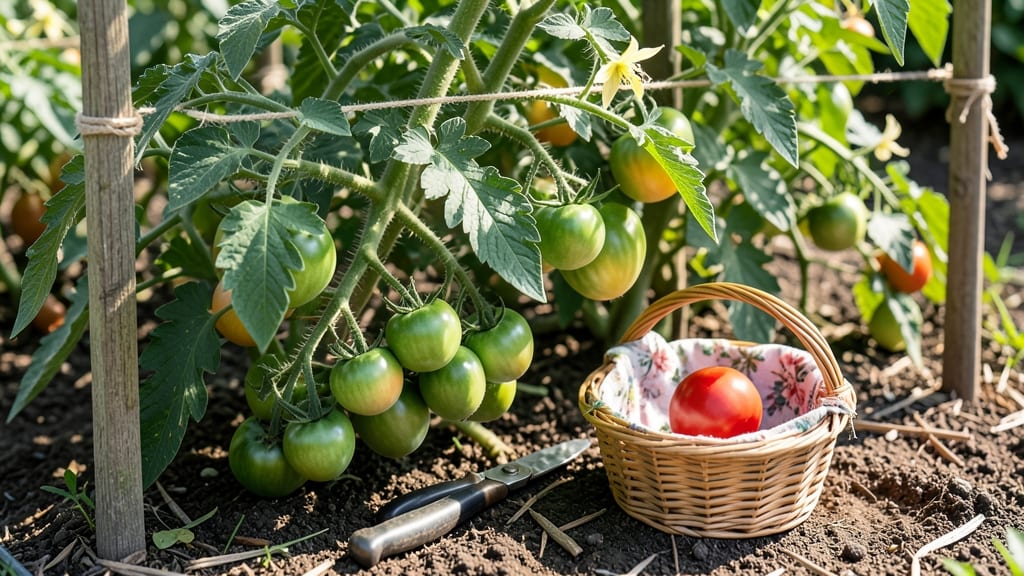
To pick tomatoes for fried green tomatoes, look for firm, deep-green fruit with a slight gloss and a diameter of 1 to 2 inches—these are the sweet spot for crisp, tangy results.
You’ve probably grabbed a tomato that was too soft or still too small, only to end up with a mealy bite instead of that perfect crunch.
The key? Harvesting when the skin is taut and the stem angle is just starting to soften—this is the sweet spot for fried green tomatoes.
In Zone 6, the ideal window for picking green tomatoes runs from late July through early September, when daytime temps stay warm but nights cool just enough to slow ripening. This timing ensures you get the best balance of flavor and texture.
Below, I’ll walk you through the exact color, size, and firmness cues to look for, plus how to test them like a pro—so you never miss the perfect moment again.


The 3 key signs your tomatoes are perfect for fried green tomatoes
When harvesting tomatoes for fried green tomatoes, focus on three critical indicators: color intensity, stem angle, and firmness. These three factors determine whether your tomatoes will deliver that perfect crisp-tangy bite or turn out mealy and bland.
The ideal tomato for frying should be deep green, taut, and just starting to soften at the stem—this balance ensures maximum flavor without sacrificing texture.
First, let’s talk color. The best fried green tomatoes have a uniform deep green hue, almost like a fresh lime. Avoid tomatoes with pale green or yellow patches, as these indicate overripeness.
The deeper the green, the more vibrant and crisp your fried tomatoes will be. Think of it like selecting the ripest avocado—you want that rich, consistent color throughout.
Next, examine the stem angle. The perfect tomato for frying will have a stem that’s slightly soft but not detached. If the stem snaps off easily, the tomato is overripe. If it’s still firmly attached and the stem looks crisp, the tomato is underripe.
The ideal is when the stem gives just a little when gently twisted—this signals the tomato is at peak crispness for frying.
Now, let’s test firmness with the thumb press method. Gently press your thumb into the tomato’s flesh. If it leaves a slight dent but springs back quickly, you’ve found your winner. If the tomato feels rock-hard, it’s not ready yet.
If it feels mushy or leaves a deep indentation, it’s past its prime. This test is your secret weapon for nailing the perfect texture every time.
| Sign | Description | Action |
|---|---|---|
| Color | Deep, uniform green (like a lime) | Pick when vibrant, avoid pale/yellow patches |
| Stem Angle | Slightly soft but not detached | Gently twist to test—should give slightly |
| Firmness | Taut skin, resists gentle thumb pressure | Press with thumb—should spring back quickly |
| Size | 1-2 inches in diameter | Avoid tomatoes smaller than a golf ball |
| Surface | Glossy, no soft spots | Wipe off dirt but keep skin intact |
Size matters too—aim for tomatoes that are 1 to 2 inches in diameter. Anything smaller will be underdeveloped and lack flavor, while larger tomatoes may start to soften internally, leading to a mealy texture.
Think of a golf ball-sized tomato as your target. This size ensures a perfect balance of crispness and flavor when fried.
Another pro tip: harvest in the morning after dew has dried. This ensures the tomatoes are at their firmest and most flavorful. Avoid picking in the heat of the day, as the tomatoes can become softer and less crisp.
Early morning is also when the stem angle is easiest to assess, as the plant’s moisture levels are optimal.
If you’re growing heirloom varieties like Green Zebra or Solar Fire, these tomatoes often stay green longer and hold their crispness better than standard varieties. They’re perfect for frying because they maintain their firmness even as they approach the ideal size.
For these varieties, watch for the color deepening as your primary cue, since their size can vary more.
Finally, don’t overlook the surface texture. The best tomatoes for frying have a glossy, taut skin with no wrinkles or soft spots. Run your fingers over the surface—it should feel smooth and slightly firm, like a fresh apple.
If you notice any dimpling or sagging, it’s a sign the tomato is past its prime and best left on the vine or used in another dish.
By mastering these three key signs—color, stem angle, and firmness—you’ll always pick tomatoes that deliver the perfect crisp-tangy bite for fried green tomatoes. Once you get the hang of it, you’ll be the go-to gardener for anyone craving that classic Southern dish.
Fried green tomato harvest timeline: days to maturity by variety
Timing is everything when harvesting tomatoes for fried green tomatoes—each variety matures at its own pace, and climate plays a huge role in speeding up or slowing down ripening.
In Zone 6, most green tomato varieties reach the ideal fried stage between 50 to 70 days after transplanting, but cooler summers can stretch this window to 80 days or more. Understanding these timelines helps you plan your harvest for peak crispness and flavor.
Popular varieties like Solar Fire and Green Zebra are favorites for fried green tomatoes because they maintain their firm texture longer than standard red varieties.
Solar Fire, for example, typically reaches the ideal fried stage in about 60 days in warm climates, while Green Zebra may take 5 to 7 days longer due to its thicker skin. Knowing these differences ensures you don’t miss the perfect window for harvesting.
Climate affects ripening speed dramatically. In hotter regions (Zones 8-10), tomatoes can reach the fried-green stage in as few as 45 days, while in cooler climates (Zones 4-5), the same varieties may take up to 90 days.
Early mornings with 50°F temperatures or below can slow ripening, so pay close attention to your local forecast. If frost threatens before your tomatoes reach the ideal size, consider harvesting slightly smaller but firm green tomatoes—they’ll still fry beautifully.
| Variety | Days to Fried Stage (Zone 6) | Climate Adjustment | Best Harvest Month |
|---|---|---|---|
| Solar Fire | 55-65 days | +10 days in cool zones | Late July - Early Aug |
| Green Zebra | 60-70 days | +15 days in cool zones | Early Aug - Mid-Sept |
| Cherokee Purple | td style="padding: 8px; border-bottom: 1px solid #D4A574;">65-75 days+20 days in cool zones | Mid-Aug - Late Sept | |
| Brandywine | 70-80 days | +25 days in cool zones | Late Aug - Early Oct |
| Roma | 50-60 days | +5 days in cool zones | Early July - Mid-Aug |
If you’re growing heirloom varieties like Cherokee Purple or Brandywine, be patient—they take longer to reach the ideal fried stage but reward you with a richer flavor. These varieties often need 10 to 15 extra days compared to hybrid types like Solar Fire.
For faster results, opt for determinate varieties like Roma, which mature quicker and produce smaller, more uniform green tomatoes perfect for frying.
Pro tip: Use a planting calendar to track your tomatoes’ progress. Start counting days from transplanting, and mark your calendar with the earliest and latest expected harvest dates based on your climate.
This helps you stay ahead of frost and ensures you don’t miss the window for crisp, tangy fried green tomatoes. In Zone 6, aim to harvest by early September to avoid early frost ruining your crop.
Remember, the ideal fried-green stage is when tomatoes are firm, deep green, and 1 to 2 inches in diameter. Even if they haven’t reached full maturity, harvesting at this stage guarantees the best texture for frying.
With these timelines, you’ll never again wonder when to pick—just watch your plants, adjust for your climate, and enjoy that perfect crunch!