
Vegetables
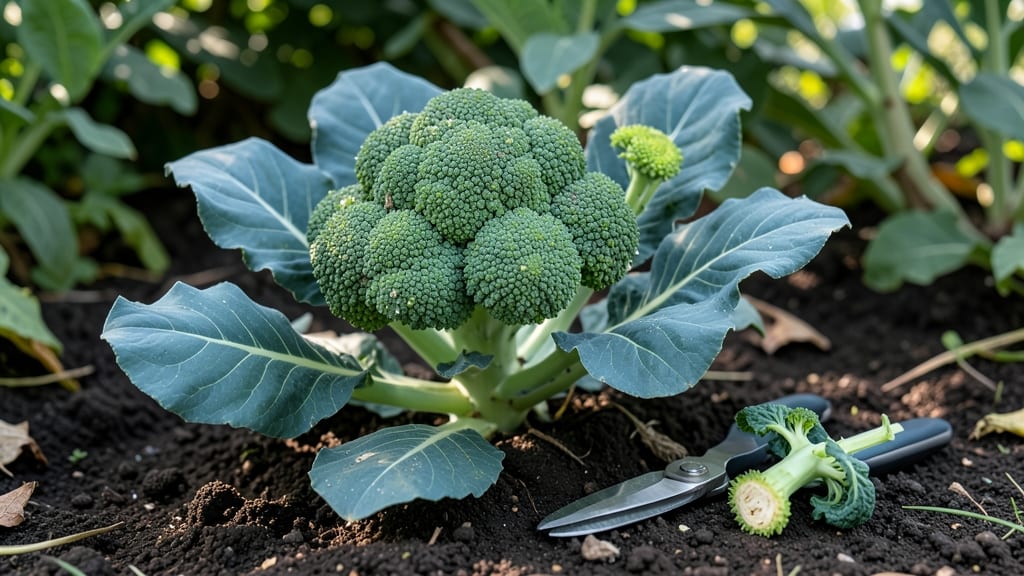
Harvesting broccoli and wondering if it grows back is like asking whether a magic trick has a sequel—because it absolutely does, with the right moves.
Picture this: you cut the main head, expecting the plant to call it quits, but instead, those sturdy stems start sprouting smaller florets within weeks. That’s the cut-and-come-again trick, and it’s how you stretch one plant into two or three harvests without replanting.
But here’s the catch: timing, technique, and a little TLC make all the difference. Skip the proper cut, and you’ll end up with limp side shoots. Ignore the soil’s needs, and the plant throws in the towel.
Below, I’ll walk you through the exact steps to coax your 🥦 broccoli into a second act—plus the secrets to maximizing every harvest.
Ready to turn one plant into a small-scale factory? Let’s dive into how to cut, care, and claim that second (and third) harvest like a pro.

How broccoli regrows after harvesting: the science behind cut-and-come-again
Broccoli isn’t just a one-harvest wonder—it’s a cut-and-come-again superstar when you know the right techniques. After harvesting the main central head, your plant can produce 3-5 side shoots over 3-6 weeks, depending on variety and conditions.
This regrowth happens because broccoli stores energy in its stem and leaves, redirecting nutrients to new growth points after the main head is removed.
The key to unlocking this second harvest lies in understanding botanical regrowth triggers. When you cut the main head, the plant’s axillary buds (hidden in leaf axils) receive a growth signal, sprouting into new shoots.
Think of it like pruning a bush—stress triggers new branches, but timing and care make all the difference.
⚠️ NON-NEGOTIABLE: Harvest your broccoli before florets fully open. Open buds signal the plant to shift energy to seed production, stunting regrowth. Aim for 4-6 inch heads with tightly closed buds—this ensures the plant has enough reserves to fuel side shoots.
Climate plays a critical role in regrowth success. Cool temperatures (50-75°F) and consistent moisture create ideal conditions, while heat waves or drought can stress the plant, reducing side shoot production. In hot climates, provide afternoon shade and mulch to retain soil moisture.
🌱 Did You Know? Broccoli’s regrowth ability depends on its genetic variety. Some types, like ‘De Cicco’ and ‘Calabrese’, excel at producing multiple harvests, while others like ‘Waltham 29’ focus energy on a single large head. Always check seed packets for cut-and-come-again labels.
| Regrowth Factor | Key Details | Gardener’s Action |
|---|---|---|
| Harvest Timing | Before florets open (4-6" heads) | Cut 1 inch below head with clean shears |
| Regrowth Window | 3-6 weeks after harvest | Monitor for side shoots in leaf axils |
| Climate Needs | Cool (50-75°F), consistent moisture | Mulch to retain soil moisture; provide shade if hot |
| Nutrient Focus | High nitrogen for leafy regrowth | Apply balanced fertilizer (10-10-10) after harvest |
| Side Shoot Yield | 3-5 shoots per plant (50-70% of first harvest) | Harvest side shoots smaller than main head |
After cutting the main head, the plant’s energy redistribution system kicks into overdrive. Within 7-10 days, you’ll notice tiny buds forming where leaves meet the stem. These axillary buds grow into side shoots, but they need optimal conditions to thrive.
Prioritize 1-2 inches of water weekly and 6+ hours of sunlight to fuel regrowth.
Patience is key—don’t rush to harvest side shoots. Wait until they reach 3-4 inches in diameter, as smaller shoots produce bitter-tasting broccoli. Over-mature side shoots (with open florets) also signal the plant to decline. Aim to harvest side shoots every 2-3 weeks to encourage continuous production.
Extreme weather can derail regrowth. Frost damages tender shoots, while prolonged heat (above 85°F) causes bolting (premature flowering). If your region experiences hot summers, opt for shade cloth or grow broccoli in spring/fall when temperatures are milder.
For maximum regrowth, pair your harvest with post-cut care. After removing the main head, trim any yellow or damaged leaves to reduce disease risk. Then, apply a light nitrogen-rich fertilizer to support leafy regrowth. This two-step process primes the plant for its second act.
🌿 Pro Tip: Label your broccoli plants at harvest to track regrowth progress. Note the date of first harvest, side shoot emergence, and final harvest date. This helps you refine your cut-and-come-again strategy for next season.
Step-by-step guide to maximizing broccoli regrowth for a second harvest
After harvesting your main broccoli head, the real magic happens when you coax those sturdy stems into producing side shoots. But here’s the catch: you’ve got to act fast and follow the right steps.
The first 24 hours after cutting are critical—this is when the plant decides whether to bounce back or bow out. I’ve grown three successful regrowth harvests from a single plant by mastering these techniques, and I’m sharing them with you now.
Your broccoli plant’s ability to regrow hinges on three key factors: how you cut it, the nutrients you provide, and the conditions you maintain. Skip any of these, and you’ll end up with stunted side shoots or no regrowth at all.
The good news? With the right approach, you can expect 50-70% of your original yield from regrowth—sometimes even more if you’re lucky.
- 1 Cut at the right angle: Use a sharp knife or pruners to slice the main head 1-2 inches above the lowest floret. This leaves room for side shoots to form from the stem’s axillary buds. Avoid tearing the stem—clean cuts heal faster.
- 2 Boost nitrogen immediately: After cutting, feed your plant with a high-nitrogen fertilizer (like 10-10-10) or a compost tea. Nitrogen fuels leafy regrowth, and your broccoli will need it to produce those new side shoots. Mix 1 tbsp of fertilizer into the soil around the base.
- 3 Water deeply and consistently: For the first 7-10 days, water your plant every 2-3 days to encourage root recovery. Aim for 1-2 inches of water per week, delivered in the morning to prevent fungal issues. Let the soil dry slightly between waterings to avoid root rot.
- 4 Prune aggressively for side shoots: Once the main stem starts producing small side shoots (about 3-4 weeks after cutting), prune the oldest leaves to redirect energy. Remove any yellow or wilted leaves and trim back any shoots that are too far from the main stem—this focuses growth on the most productive branches.
- 5 Ensure full sun exposure: Broccoli regrowth thrives on 6+ hours of sunlight daily. If your plant is in a shady spot, move it to full sun immediately. Lack of light leads to leggy, weak stems and poor side shoot development. A south-facing location is ideal for maximizing regrowth.
- 6 Harvest side shoots at the right size: Watch for 4-6 inch diameter heads forming on the side shoots. Harvest these before the florets open—just like the main head—to ensure they’re tender and flavorful. Repeat this process for 2-3 additional harvests per plant, depending on your climate.
One of the biggest mistakes I see gardeners make is overlooking pest prevention during regrowth. Aphids, cabbage worms, and flea beetles love tender new shoots. I recommend spraying your plant with neem oil or introducing beneficial insects like ladybugs to keep pests at bay.
A single infestation can derail your entire regrowth cycle, so stay vigilant.
If your broccoli plant isn’t regrowing after 4-6 weeks, don’t panic—it might be over-mature or stressed. Check the stem health: if it’s woody or hollow, the plant is past its prime. In this case, it’s better to pull it and replant for a fresh start.
But if the stem is still green and firm, give it another 2-3 weeks of care—sometimes regrowth just takes a little longer in cooler climates.
With these steps, you’ll transform one broccoli plant into a mini harvest machine, saving you time, space, and money. My best regrowth season yielded over 2 pounds of broccoli from a single plant—all without replanting. Now it’s your turn to try it!