
Vegetables
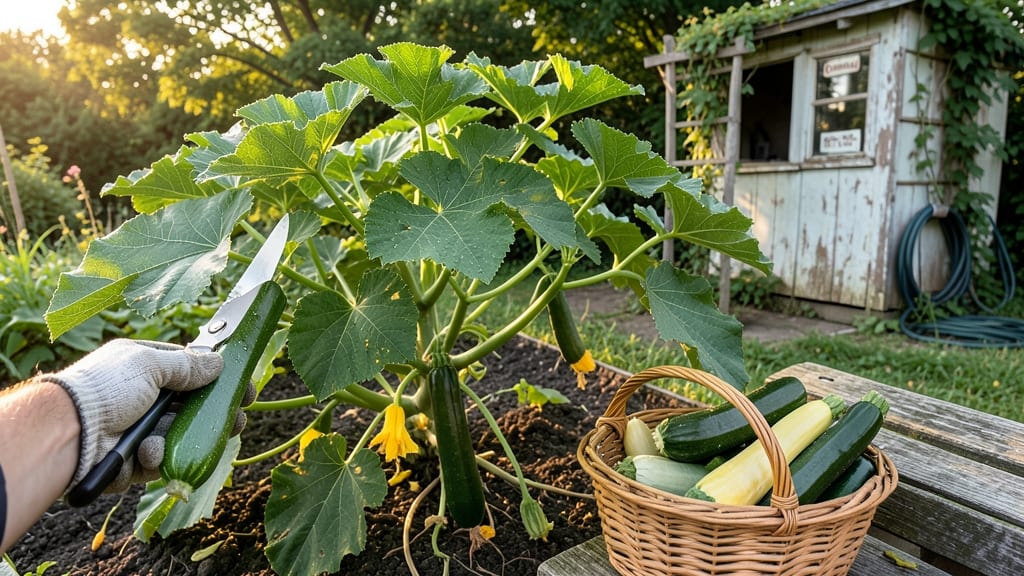
Timing the zucchini harvest right turns your garden’s 🎃 bounty into crisp, seedless perfection—or turns it into a seedy, rubbery mess if you wait too long.
Picture this: You’ve been checking your plants every day, and finally, that first zucchini reaches 6 inches long with a deep, glossy green skin. But if you wait just a few days longer, it’ll balloon into a 3-pound monster that’s tough and full of seeds.
The difference between a tender, restaurant-quality zucchini and a sad, overgrown one comes down to knowing the exact signs to watch for.
In this guide, I’ll walk you through the visual cues—like size, color, and texture—that tell you when to pick, plus how often to harvest to keep your plants producing like crazy. You’ll also learn how to store your fresh haul so it stays crisp for days, not hours.
Ready to go from guessing to perfectly timed harvests? Let’s get started.
How to determine the perfect zucchini harvest time by size and color
Timing your zucchini harvest is everything—picking too early means bitter, underdeveloped veggies, while waiting too long turns them into woody, seedy monsters. The sweet spot? When your zucchini hits 4-6 inches in length with a deep green, glossy skin.
This guide breaks down the exact visual cues to watch for, so you never miss peak harvest time again.
First, focus on the length of the zucchini. The ideal size ranges from 4 to 6 inches, which is when they’re tender and packed with flavor.
Think of it like a ruler in your hand—anything shorter than 4 inches is still growing, while anything over 6 inches risks becoming tough and seedy. This window ensures you’re harvesting at the perfect balance of crispness and sweetness.
Color is your next clue. Mature zucchini should be a rich, deep green with a slightly glossy finish. Look for a consistent hue along the entire surface—no pale patches or yellowing. The blossom end (stem end) should turn from green to yellowish, signaling ripeness. This color shift is a clear sign that the zucchini is ready to be picked.
Texture tells the full story. Gently press the skin with your thumbnail—it should yield slightly but still feel firm. If it feels spongy or mushy, it’s overripe. Conversely, if it’s rock-hard, it’s not ready yet. The skin should also resist gentle pressure without bruising, indicating it’s at its peak for harvesting.
Don’t overlook the stem snap test, a foolproof trick for determining readiness. Hold the zucchini near the stem and gently bend it. If it snaps cleanly (not breaks), it’s ready to harvest.
This method works because the cell structure weakens slightly as the fruit matures, making it easier to separate from the vine without damaging the plant.
Another pro tip? Check the stem end color. The blossom end (where the flower was) should turn from bright green to yellowish. This shift happens as the zucchini matures, and it’s your final green light to pick.
If you see green stems still attached, the zucchini isn’t ready yet—wait another day or two.
Harvesting at the right time also encourages your plant to produce more zucchini. When you pick regularly, the plant focuses its energy on new fruit development instead of letting existing ones overgrow.
This is why daily checks during peak season (July-September) pay off with a continuous bounty all summer long.
If you’re unsure whether a zucchini is ready, err on the side of picking early. Underripe zucchini can still be used in cooking (they’re great in soups or stir-fries), but they lack the sweet, nutty flavor of a perfectly timed harvest.
Plus, early picking prevents the plant from shutting down flower production due to overripe fruit.
For variety-specific tips, check the seed packet—some zucchini types (like Black Beauty or Golden Zucchini) may have slightly different ideal sizes or colors. But for most home gardeners, sticking to the 4-6 inch rule and glossy green color will guarantee success every time.
Now that you’ve mastered the art of timing, your next challenge is staying consistent. Grab a basket, head to the garden, and enjoy the reward of crisp, seedless zucchini at its absolute best—just in time for your favorite summer recipes! 🎃
Signs you’re picking zucchini too early or too late (and how to fix it)
Harvesting zucchini at the wrong stage can ruin its flavor and texture. Too early, and you’ll get bitter, underdeveloped squash. Too late, and you’ll end up with woody, seedy giants. The key is knowing the visual cues and size indicators that signal peak ripeness.
Most gardeners aim for zucchini between 4-6 inches in length, with a deep green, glossy skin. But even then, timing can go wrong. If you miss the window, don’t panic—there are ways to salvage overripe zucchini or adjust your future harvests to avoid waste.
⚠️ WARNING: Common Harvest Mistakes
Too Early: Picking zucchini under 4 inches results in bitter, seedy squash. The skin may look thin, and the flesh won’t be fully developed.
Too Late: Letting zucchini grow beyond 8 inches turns them woody and tough. The seeds harden, and the flavor becomes bland or mealy.
If you’ve accidentally picked zucchini too early, don’t toss them! Use them in cooked dishes like soups or stir-fries, where bitterness is masked. For overripe zucchini, peel the skin, remove the seeds, and roast or grill them to soften the texture.
To avoid future mistakes, check your zucchini daily during peak harvest season (July-September). Look for a yellow blossom end (where the flower was) and a slight give when pressed gently. These are foolproof signs of readiness.
For continuous harvests, pick every 2-3 days to encourage more production. Overripe zucchini can still be used—just adjust your recipes or storage methods. Store them in a cool, dark place for up to a week, or refrigerate for longer shelf life.
Next time you’re in your garden, take a closer look at your zucchini’s size, color, and texture. With practice, you’ll master the art of harvesting at the perfect moment—every time! 🌱