
Vegetables
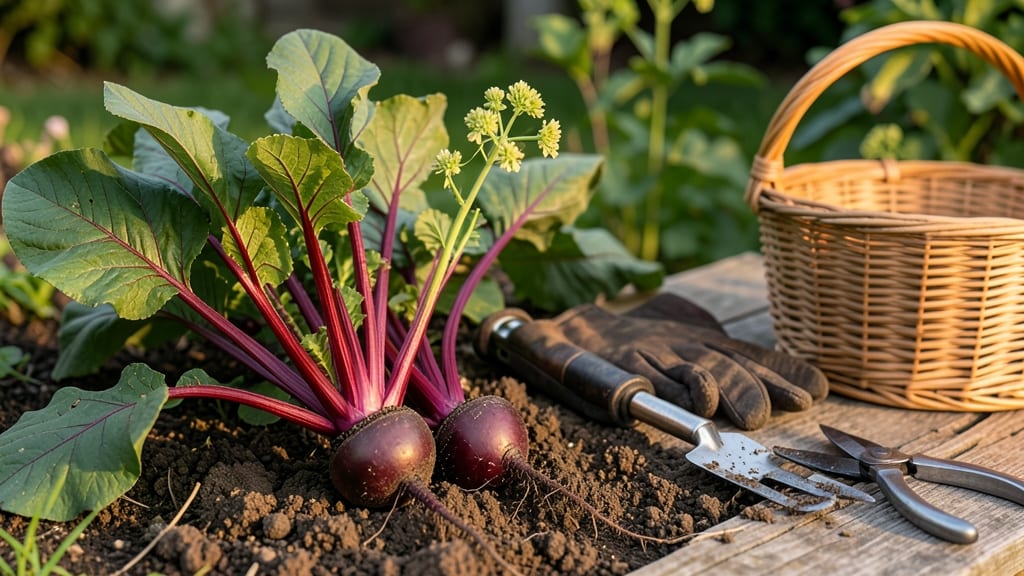
Harvesting beetroot at the right time means the difference between a tender, sweet root and a tough, woody mess—so timing is everything.
Picture this: You’ve nurtured your 🍠 beetroot for months, and now the leaves are yellowing just a little, but you’re not sure if they’re begging for harvest or waving goodbye. That’s the moment you need to know what to do.
In this guide, you’ll learn the three tactile tests that reveal when your beetroot is truly ready—no guesswork, just feel, size, and color cues. We’ll also cover how variety, season, and even soil temperature play into the perfect harvest window.
By the end, you’ll confidently pull beets when they’re at their peak, avoiding the pitfalls of harvesting too early (small, watery roots) or too late (hard, bitter flavors). Let’s get started.

When to harvest beetroot: 3 tactile tests for perfect sweetness
Beetroots are ready to harvest when they balance size, texture, and sweetness. Unlike many vegetables, their harvest window is short—wait too long, and they turn woody. The key is using your fingers, eyes, and hands to test readiness before pulling.
I’ve learned that skipping these tactile checks often leads to disappointing, tough roots that lack the rich earthy flavor we love.
Harvesting at the right moment ensures your beetroots are tender, sweet, and perfect for roasting, pickling, or salads. The ideal harvest time typically falls between 50-70 days after planting, but this varies by variety.
For example, Detroit Dark Red beets are ready around 60 days, while Chioggia (the striped variety) may take slightly longer. The secret isn’t just counting days—it’s using these three simple tests to confirm readiness.
- 1 Finger Pressure Test: Gently press the beet’s shoulder (the top of the root). If the skin resists slightly but doesn’t bruise, it’s ready. Overripe beets feel hard and woody, while underripe ones yield too easily.
- 2 Root Shape Assessment: Dig up a test beet to check its size and shape. Mature roots should be 2-3 inches in diameter with a smooth, rounded shoulder. If the root feels lumpy or misshapen, it’s likely overcrowded and needs thinning sooner next time.
- 3 Leaf Inspection: Healthy beet greens should be vibrant and slightly wilted at the edges. If the leaves are fully yellow or wilted, the root may be overripe. Conversely, bright green leaves with no wilting mean the beet needs more time in the ground.
Start by testing a few beets from the outer rows of your bed. This way, you can harvest the ready beets first and leave the smaller ones to mature. I always pull one test beet, wash it, and taste it raw—this gives the most accurate flavor feedback.
If it’s sweet and tender, the rest are ready. If it’s bitter or fibrous, wait another 3-5 days before checking again.
Timing your harvest also depends on the season. In spring-planted beets, aim to harvest before the first frost, typically in late May or June. For fall-planted varieties, harvest before temperatures drop below 40°F, usually in September or October.
Missing this window can leave you with beets that are either too small or too woody.
One common mistake I see is harvesting based solely on leaf size. While large leaves indicate maturity, they don’t guarantee a tender root. Always combine leaf inspection with the finger pressure test for the most reliable results.
For example, a Detroit Dark Red beet might have big leaves but still feel soft when pressed—this means it needs more time.
If you’re growing baby beets (like the Little Ball variety), harvest when they’re 1-2 inches wide—they’re sweeter and more delicate at this size. For larger varieties, wait until they reach 3 inches in diameter.
The key is consistency: check your beets every 2-3 days during the last 2 weeks of their growth cycle to catch them at peak sweetness.
After harvesting, store beets in a cool, dark place with high humidity, like a root cellar or refrigerator. They’ll keep for up to 2 months if stored properly.
If you’re not ready to use them all at once, try curing them by leaving them in the ground for a few days after harvest—this concentrates their sugars and improves storage life.
Pro tip: Use a garden fork to loosen the soil around the beet before pulling. This prevents damage to the root structure and makes peeling easier later. Always leave the greens attached until you’re ready to store or cook the beets—removing them too soon can shorten their shelf life.
Remember, the perfect beetroot isn’t just about size—it’s about the combination of texture, sweetness, and timing. By mastering these three tactile tests, you’ll never miss the harvest window again. Happy digging! 🪴
Beetroot harvest time by variety: size, color, and seasonal timing
Not all beetroot varieties mature at the same pace, and their harvest signals vary dramatically. Detroit Dark Red and Chioggia beets, for example, reach peak sweetness at different sizes and colors. Understanding these variety-specific cues ensures you harvest at the perfect moment—before they become tough or fibrous.
Season also plays a critical role: spring-planted beets mature faster than fall varieties due to longer daylight hours.
For spring planting (March-April), most varieties like Detroit Dark Red are ready in 55-65 days, while Chioggia (with its stunning striped pattern) takes slightly longer—60-70 days. Fall-planted beets (July-August) often mature 10-15 days faster thanks to warmer soil temperatures.
Always adjust your harvest timeline based on your local last frost date—aim to harvest before hard frosts hit.
| Variety | Size at Harvest | Color Cues | Days to Maturity | Best Season |
|---|---|---|---|---|
| Detroit Dark Red | 2-3 inches | Deep red, glossy | 55-65 days | Spring/Fall |
| Chioggia | 2.5-3.5 inches | Striped pink/white | 60-70 days | Spring |
| Golden | 2-2.5 inches | Golden yellow | 50-60 days | Fall |
| Bull's Blood | 3-4 inches | Deep red, glossy | 60-70 days | Spring |
Pay close attention to leaf color changes—a telltale sign of maturity. For most varieties, the outer leaves will start yellowing while the inner leaves remain green.
This indicates the beet has shifted energy from foliage to root growth, a perfect harvest indicator. Chioggia beets, however, may retain vibrant leaves longer due to their slower maturation. Always dig up a test beet to check for firm texture—if it feels slightly spongy, it’s ready.
Seasonal timing affects more than just speed. Spring-planted beets benefit from cooler soil, which prevents bolting (premature flowering). In contrast, fall-planted varieties like Golden beets mature faster in warm soil but require earlier harvesting before the first frost.
Use a soil thermometer to monitor temperatures—ideal harvest conditions occur when soil stays above 50°F but hasn’t exceeded 80°F for prolonged periods.
Pro tip: For continuous harvests, plant varieties with staggered maturity dates. For example, pair Golden beets (50 days) with Detroit Dark Red (65 days) to enjoy fresh beets for weeks.
Always harvest on a dry, sunny day to preserve sweetness and prevent soil-borne diseases from spreading. Store harvested beets in a cool, dark place (50-55°F) for up to 3 months.
Remember, the earlier you harvest, the sweeter and more tender the beet. Don’t wait until the leaves fully wilt—this signals the beet has become woody and less flavorful. With these variety-specific guidelines, you’ll never miss the perfect harvest window again! 🌱