
How To
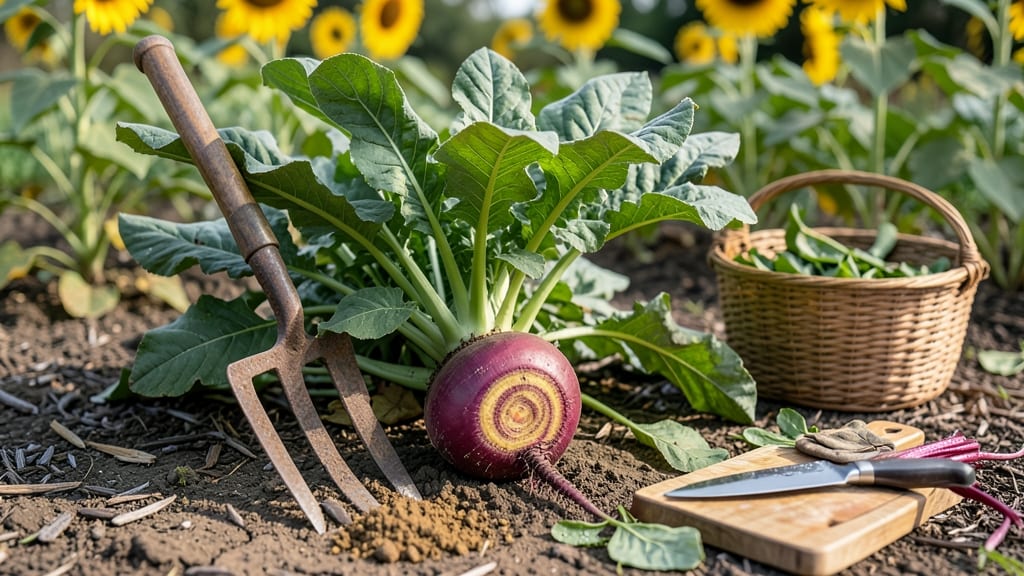
Harvesting and storing beets the right way turns your garden’s earthy treasure into a year-round staple 🍠—no more bitter surprises or wasted roots.
Picture this: you’ve nurtured your beets for months, and now the moment has come to pull them at their sweetest. But one wrong move—like waiting too long or storing them improperly—and you’re left with tough, flavorless roots.
That’s why knowing the exact timing and storage tricks is the key to keeping your harvest fresh for months.
In this guide, I’ll walk you through when to harvest your beets for peak sweetness, how to prep them for storage, and the best methods to preserve them—whether you’re refrigerating, freezing, or even fermenting. No more guesswork, just sweet, tender beets whenever you need them.
Ready to master the art of beet storage? Let’s dive into the steps that will keep your harvest delicious through winter and beyond.

When and how to harvest beets for maximum sweetness
Timing your beet harvest is everything—pull them too early, and you’ll have undersized roots. Wait too long, and they’ll turn tough and bitter. The sweet spot? Between 60-70 days for baby beets and 80-100 days for mature roots, depending on your variety.
For example, Detroit Dark Red reaches peak sweetness at 75 days, while Babybeat varieties are ready in just 50-60 days.
Beets store their natural sugars best when harvested in the cool morning hours, ideally between 6-8 AM. This timing prevents the roots from converting sugars into starches, which happens under hot afternoon sun.
I’ve found that harvesting early also reduces stress on the plant, ensuring a longer shelf life for stored beets.
To check if your beets are ready, gently grasp the foliage near the soil line and wiggle the root. If it slips free with minimal resistance, it’s time to harvest. Look for vibrant color—deep reds, purples, or golds—and roots that feel firm to the touch.
A good rule of thumb: 1-3 inch diameter for baby beets and 2-4 inches for mature varieties.
Overmature beets are a common mistake—when roots grow beyond 4 inches in diameter, they develop a tough, woody texture and lose their natural sweetness. The greens may also turn yellow or bolt, signaling the plant is shifting energy away from root development.
If you’ve missed the window, don’t worry: overmature beets are still edible but best suited for soups or roasting where texture is less critical.
🌱Pro Tip: Harvest beets in stages for continuous harvests. Leave a few plants in the ground if you’re unsure—you can always return later to check their progress.
| Harvest Stage | Days to Maturity | Root Size | Best Time to Harvest | Storage Life |
|---|---|---|---|---|
| Baby Beets | 50-60 days | 1-2 inches | Cool morning (6-8 AM) | 3-4 weeks (refrigerated) |
| Mature Beets | 80-100 days | 2-4 inches | Early morning (6-8 AM) | 4-6 months (cured & stored) |
| Overmature Beets | 100+ days | 4+ inches | Any time (best for cooking) | 1-2 weeks (quick use) |
Use a hand fork or garden trowel to loosen the soil around the beet before gently pulling it from the ground. Avoid using a knife to cut roots—this can introduce bacteria and reduce storage life.
Shake off excess soil, but don’t wash the beets until you’re ready to store or cook them. Moisture speeds up spoilage, so pat them dry with a clean towel if you plan to store them immediately.
For the sweetest flavor, harvest beets when soil temperatures are below 70°F. Heat stress causes beets to develop a bitter taste, so avoid harvesting during heatwaves.
In my garden, I’ve noticed that late summer or early fall harvests often yield the sweetest roots because cooler temperatures slow down starch conversion.
🔍Watch for these signs of overmaturity: Wooden texture, hollow cores, or a bitter taste when sampled. If you’re unsure, slice one open—if the center looks fibrous or pale, it’s past its prime.
Even overmature beets can be salvaged by roasting or fermenting, but they won’t have the same tender sweetness as properly timed harvests.
Don’t forget about the beet greens! They’re edible and packed with nutrients. Harvest them when leaves are 4-6 inches tall by cutting them 1-2 inches above the soil.
This encourages the plant to focus on root growth while still giving you a bonus harvest. I love using young greens in salads or sautéing them like spinach.
After harvesting, let beets cure for 1-2 hours in a dry, shaded area before storing. This allows the skin to toughen slightly, reducing bruising and extending shelf life. Once cured, store them in a cool, humid environment—like a root cellar or basement—to keep them fresh for months.
Step-by-step guide to cleaning and preparing beets for storage
Once you've harvested your beets at the perfect moment, proper preparation is key to extending their shelf life and preserving their sweet flavor. Beets need thorough cleaning and curing to prevent rot and maintain crisp texture.
The process differs slightly between baby beets and mature roots, but the core principles remain the same.
Start by gathering your tools: a sharp knife, clean towel, and a brush for stubborn soil. Work in a well-ventilated area to speed up drying. Remember, the goal is to remove soil while keeping the skin intact—this protects against moisture loss and spoilage during storage.
Step-by-Step Beet Prep for Storage
- 1. Gently loosen soil - Use your hands or a small brush to remove excess dirt from the roots. Avoid scrubbing, which can damage the skin.
- 2. Trim greens - Cut the leafy tops to 1 inch above the root using a clean knife. This reduces moisture loss and prevents greens from drawing nutrients from the root.
- 3. Rinse briefly - Hold beets under cool water for 10-15 seconds to remove remaining soil. Pat dry immediately with a towel.
- 4. Cure mature beets - For large roots, place them in a single layer on a towel in a cool, dark place for 2-3 hours to harden the skin.
- 5. Dry completely - Use a clean towel to gently pat dry all surfaces. Ensure no moisture remains, especially in crevices.
- 6. Store promptly - Once fully dry, transfer beets to your chosen storage method within 24 hours for best results.
For baby beets (under 2 inches), you can skip the curing step and store them immediately after drying. Their thin skin doesn't require hardening. Always store beets with their greens attached if you plan to use them soon—they'll stay fresher longer.
Pro tip: If you notice any soft spots or bruising during prep, trim those areas immediately. These spots can spread rot during storage. A sharp knife is crucial—dull blades crush the delicate skin, inviting decay.
Never store beets in plastic bags without ventilation, as trapped moisture causes mold. Instead, use perforated bags or wrap them individually in paper towels before refrigeration. This simple step can extend their freshness from 2 weeks to 3-4 months.
With these steps, your beets will stay sweet and crisp for months—ready to brighten salads, soups, or roasted dishes whenever you crave them. Happy storing! 🌱