
Vegetables
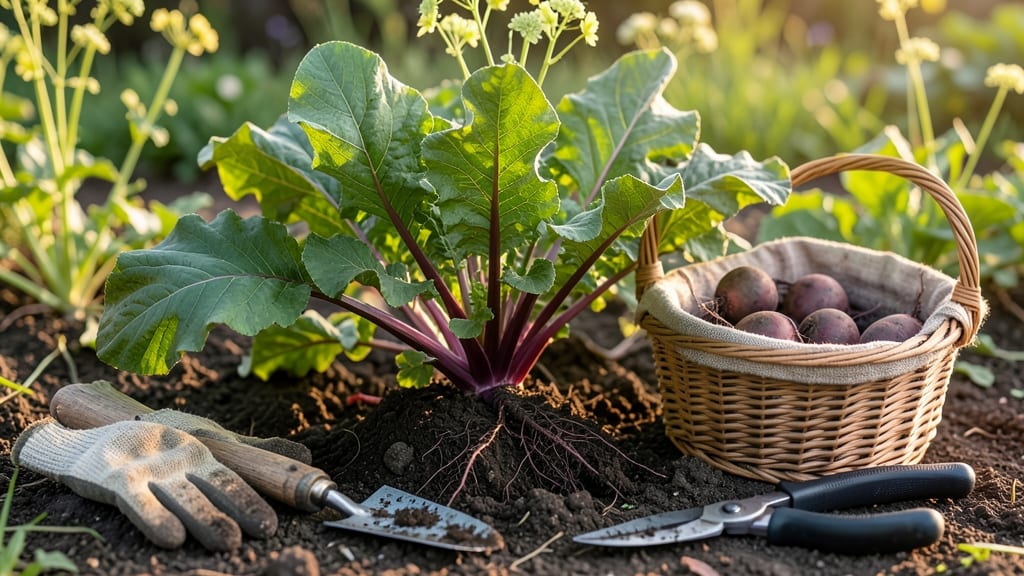
Harvesting beets at the right time turns your garden into a treasure trove of earthy, sweet flavor 🍠—but timing is everything to avoid tough, bitter disappointment.
Picture this: you’ve nurtured your beets for months, only to pull them too late and end up with woody roots that taste more like regret than reward. The good news? Knowing the exact beets harvest time makes all the difference, and it’s easier than you think.
Whether you’re growing in USDA Zone 6a or just starting your spring garden, the key is watching for three clear signs: vibrant greens, firm roots, and the right soil conditions. Miss these cues, and you’ll either waste time waiting or settle for less-than-perfect flavor.
In this guide, I’ll walk you through the perfect harvest window, how to spot ripe beets, and even how to store them so they stay fresh for weeks—no guesswork required.

3 Visual signs your beets are perfectly ripe for harvesting
There's nothing quite like pulling a perfectly ripe beet from your garden—juicy, tender, and packed with sweet flavor. But how do you know when those beets are ready to harvest?
Many gardeners make the mistake of waiting too long, ending up with tough, woody roots that lack the ideal texture and flavor we all love. The key lies in watching for these three visual signs that your beets are at their peak.
Beets are one of those crops where timing is everything. Harvest too early, and you’ll miss out on their full potential; harvest too late, and you’ll regret the bitter, fibrous disappointment. The good news? Mother Nature gives us clear signals.
By learning to read these cues, you’ll never second-guess your beet harvest time again. Let’s dive into the three foolproof indicators that your beets are begging to be pulled from the soil.
🌱 3 Visual Signs Your Beets Are Perfectly Ripe
-
🎾 Golf-Ball Sized Roots
Your beet roots should be at least 1–3 inches in diameter, roughly the size of a golf ball or slightly larger. Smaller than a golf ball, and they’re still underdeveloped—larger, and they risk becoming tough.
-
🌿 Deep Green, Bushy Greens
Healthy beet greens should be 4–6 inches tall, vibrant, and deep green in color. If the leaves are sparse, pale, or yellowing, it’s a sign of stress or nutrient deficiency—not ripeness.
-
🤲 Firm Roots & Dry Soil
Gently squeeze a root near the soil line—it should feel firm but not hard. If the soil around the base is dry, it’s a clear sign your beets are mature and ready for harvest. Wet soil often means they need more time.
One of the most common mistakes I see in gardens is ignoring the leaf color and focusing solely on root size. While the roots are the star of the show, the greens tell a story too.
If your beet greens are wilted or yellowing before the roots reach ideal size, it could signal a problem like bolt formation (common in hot weather) or disease. Always check both the roots and leaves together for the most accurate read.
Another trick I swear by? Dig up one test beet a few days before you think they’re ready. This gives you a firsthand feel for the texture and flavor, so you can adjust your harvest timing accordingly.
If that test beet is perfect, you’ll know your remaining beets are close behind. It’s a small effort that pays off in flavor and texture every time.
Let’s talk about soil visibility, because this is where many gardeners trip up. If the soil around your beets is consistently dry, it’s a green light to harvest. Beets thrive in consistent moisture, but once they’ve reached maturity, they can handle slightly drier conditions.
Overwatering at this stage can lead to cracked roots or diluted flavor, so pay attention to the soil’s moisture level.
Seasonal timing also plays a role in how you interpret these signs. In spring-planted beets, you might see faster growth and earlier ripening, while fall-planted varieties often develop sweeter flavors as temperatures drop.
Always align your harvest with the seasonal cues of your climate zone. For example, in cooler regions, beets might take longer to mature, while warmer zones could see quicker growth.
Finally, avoid the temptation to harvest based on days after planting alone. While most beet varieties mature in 50–70 days, environmental factors like temperature, sunlight, and soil quality can shift that timeline significantly. Trust the visual signs over the calendar—your beets will thank you with peak flavor and texture.
Now that you’re equipped with these three visual cues, you’ll never guess wrong about your beet harvest time again. The next time you’re kneeling in the garden, take a moment to check the roots, leaves, and soil.
When all three signs align, it’s time to grab your garden fork and enjoy the fruits of your labor—literally!
Best time of day and season to harvest beets for maximum flavor
Timing your beet harvest isn't just about watching for ripe roots—it's also about understanding when Mother Nature delivers the peak flavor and texture. The best time of day to harvest beets is early morning, when the roots are cool and hydrated from overnight moisture.
This ensures your beets stay crisp and sweet, not wilted or bitter from afternoon heat. I’ve found that harvesting within 2–3 hours of sunrise gives me the freshest results every time.
Seasonal timing matters just as much as daily timing. In most USDA Zone 6a gardens like mine, spring-planted beets reach harvest readiness between June and July, while fall-planted varieties shine in October and November.
However, these windows shift based on your local climate—warmer zones may harvest earlier, while cooler regions could extend into late fall. The key is to align your harvest with the seasonal cues of your area rather than a fixed calendar.
| Factor | Ideal Condition | Best Practice |
|---|---|---|
| Time of Day | Early morning (6–9 AM) | Cooler temps preserve sweetness |
| Season | Spring (June–July) or Fall (Oct–Nov) | Follow local frost dates |
| Climate Zone | Zone 6a: 50–70 days after planting | Adjust for warmer/cooler zones |
| Storage Goal | Long-term: Wait for yellowing leaves | Short-term: Harvest at golf-ball size |
| Soil Condition | Dry around base | Avoid overwatering before harvest |
One mistake I see often is harvesting beets in the afternoon heat, which can cause them to wilt quickly and lose their sweetness. The same goes for harvesting after heavy rain—soil can become too loose, making roots difficult to extract cleanly.
I always check the weather forecast before planning my harvest day to avoid these pitfalls. A cool, dry morning is ideal for both the beets and your gardening comfort!
Seasonal variations also affect how you store your freshly harvested beets. Spring-harvested beets often store well for 2–3 weeks in a cool, dark place, while fall varieties can last up to 3–4 months in the right conditions.
To maximize storage life, I recommend trimming the greens and leaving a 1-inch stem on the root. Store them in a perforated plastic bag in the crisper drawer of your fridge, where they’ll stay crisp and sweet for weeks.
If you’re growing beets in containers or raised beds, timing becomes even more critical. These environments can dry out faster, so I harvest container-grown beets slightly earlier—when roots reach 1–2 inches in diameter—to prevent stress.
The same goes for hotter climates, where beets may mature faster. Always prioritize visual cues over rigid timelines, as your local microclimate dictates the perfect harvest window.
Finally, don’t forget that seasonal flavors play a role in your harvest experience. Spring beets tend to be slightly milder, while fall-harvested varieties develop deeper, earthier sweetness as temperatures drop. This is why I always plant a second crop in late summer—to enjoy that rich, autumnal flavor.
By aligning your harvest with seasonal trends, you’ll unlock the full flavor potential of your homegrown beets.