
Vegetables
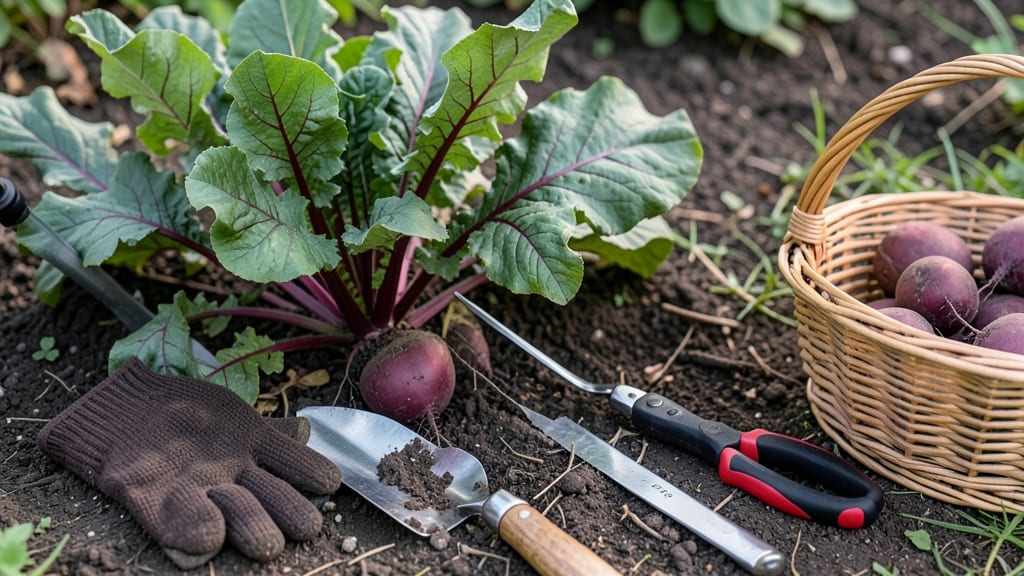
Harvesting beet root at the right time ensures perfect sweetness and texture—too early, and they’re tough; too late, and they turn woody. The key is knowing when those roots hit their prime, whether you’re growing Detroit Dark Red or golden varieties.
Picture this: you pull a beet from the soil, and it’s firm, deep in color, and resists gentle pressure. That’s the moment you’ve been waiting for. But miss it, and you’re left with either underdeveloped roots or ones that’ve outstayed their welcome, sacrificing flavor for size.
Season matters too—spring beets thrive in 60-degree soil, while fall varieties need to mature before frost sets in. Below, I’ll walk you through three simple tests to nail the harvest window every time, plus how to store them so they stay sweet long after the garden’s done.
No more guessing games. By the end, you’ll know exactly when to pull those 🍠 beauties for the best taste and texture, no matter the variety or season.

3 Tactile tests to determine perfect beet root harvest time
Harvesting beets at the right time ensures maximum sweetness and tender texture. Unlike many vegetables, beets don't ripen after picking—so timing is everything. The key lies in three simple tactile tests that reveal when roots are ready.
These methods work for both baby beets and full-sized varieties, helping you avoid woody textures or underdeveloped flavors.
First, let's address the most common mistake: waiting too long. Overgrown beets develop tough, fibrous centers that ruin their delicate balance of earthy sweetness. The good news? You can determine perfect harvest time using just your hands, eyes, and a small garden tool.
These tests work for all beet varieties, from classic Detroit Dark Red to striped Chioggia beets.
- Soil Probe Test: Gently insert your finger 1-2 inches into the soil near the plant base. If the root feels firm and round (like a small baseball), it's ready. Soft soil means it needs more time.
- Root Size Check: For baby beets, aim for 1-2 inch diameter roots. For mature beets, look for 2-3 inch diameter with smooth, unblemished skin. Use your thumb and forefinger to measure gently.
- Leaf Color Analysis: Healthy leaves should be deep green and vibrant. Press a leaf gently—if it springs back quickly, the beet is ready. Wilted or yellowing leaves indicate overmaturity.
Let's start with the soil probe test, which reveals root development without damaging plants. Simply push your finger gently into the soil beside the beet's stem. If you feel a firm, rounded resistance about 1-2 inches down, the root has reached ideal size.
This test works best when soil is moist but not waterlogged—perfect conditions occur after a light morning watering.
For root size assessment, focus on diameter rather than weight. Baby beets should measure about 1-2 inches across, while mature varieties reach 2-3 inches. Use your thumb and forefinger to gauge size directly in the soil.
Avoid pulling beets that feel smaller than a golf ball—they'll be underdeveloped and bland. Remember, larger size doesn't always mean better flavor, especially in hot weather.
The leaf color analysis provides crucial information about the beet's internal state. Healthy leaves should be vibrant deep green with no yellowing. Perform the simple leaf spring test by pressing a leaf gently—if it springs back quickly, the beet is at peak sweetness.
Yellowing leaves or leaves that stay bent indicate the beet has passed its prime and may develop woody centers.
Timing your harvest correctly prevents two common problems: underdeveloped flavor and overmature woodiness. Baby beets (harvested at 30-40 days) should be tender and sweet, while mature beets (50-70 days) develop their characteristic deep flavor.
The tactile tests work equally well for both types, though baby beets require slightly smaller size measurements.
Seasonal variations affect beet maturity rates. In cool spring weather, beets develop more slowly, while warm fall conditions accelerate growth. Adjust your harvest timing accordingly—spring beets may need 10-14 extra days compared to fall-grown varieties. Always check soil temperature: roots develop best when soil stays between 60-70°F.
One often-overlooked visual cue is the root skin texture. Ready-to-harvest beets have smooth, unblemished skin that resists gentle pressure. If the skin feels rough or cracks easily, the beet may have been stressed by drought or overcrowding.
This texture test works particularly well for Chioggia and Golden varieties, whose colorful patterns become more vibrant at harvest time.
For continuous harvests, plant beets in successive sowings spaced 2-3 weeks apart. This staggered approach ensures you always have fresh beets reaching harvest readiness. The tactile tests become especially valuable in this scenario, as different plantings will mature at slightly different rates depending on weather conditions.
Remember that beets store well after harvest, so you don't need to pick every plant at once. Mature beets can wait 1-2 weeks in cool soil before harvesting without significant quality loss.
This flexibility makes the tactile tests even more valuable—they help you plan your harvest schedule around other garden tasks and seasonal cooking needs.
Mastering these three tactile tests transforms beet harvesting from guesswork to precision gardening. The combination of soil probing, root sizing, and leaf analysis gives you a complete picture of each beet's readiness. With practice, you'll develop an intuitive sense for perfect harvest timing that ensures maximum flavor in every bite.
Harvest timing by variety: baby vs. full-sized beets
Not all beet varieties mature at the same pace—some reach their peak sweetness in just 30 days, while others need 70 days to develop full flavor. Understanding these differences lets you plan for continuous harvests.
Baby beets like Detroit Dark Red are perfect for quick salads, while heirloom varieties like Chioggia shine when fully matured. The key lies in knowing each variety's ideal harvest window to avoid tough, woody roots or underdeveloped flavor.
Your harvest strategy depends entirely on the beet variety you're growing. For baby beets, aim for 30-40 days after sowing when roots are 1-2 inches wide. Full-sized beets typically need 50-70 days to reach their prime.
The difference in timing isn't just about days—it's about balancing texture, sweetness, and storage potential. Let's break down the most popular varieties and their precise harvest windows.
When planning your beet harvest, consider planting multiple varieties with staggered sowing dates. This strategy ensures you'll have continuous fresh beets from early summer through fall. For example, sow Detroit Dark Red every 2 weeks to enjoy baby beets every 30 days.
Meanwhile, slower-maturing varieties like Bull's Blood can be planted once in early spring for a late-summer harvest. This approach maximizes your garden's productivity and minimizes waste.
Harvesting at the right time also affects storage life. Baby beets store for only 1-2 weeks in the fridge, while fully mature roots can last 3-4 months in cool, dark conditions.
If you're growing beets for long-term storage, prioritize varieties like Bull's Blood or Detroit Dark Red, which develop thicker skins that resist rotting. For immediate use, baby beets offer superior tenderness and sweetness—perfect for fresh salads or quick stir-fries.
Pro tip: Use a garden fork to loosen soil before pulling beets, especially for larger varieties. This prevents damage to the roots and makes harvesting easier. Always leave 1 inch of stem attached to maintain freshness.
For baby beets, you can even harvest by gently pulling the entire plant—roots and all—without needing tools. The key is to act quickly once you spot the ideal size and color.
Remember, soil temperature plays a role in maturation. Beets grow best in 55-85°F soil, with cooler temperatures slowing growth and warmer temps speeding it up. If your summer heat accelerates maturation, check your beets every 5-7 days to avoid missing the perfect harvest window.
With the right variety and timing, you'll enjoy beets that are sweet, tender, and packed with flavor all season long. 🌱