
How To
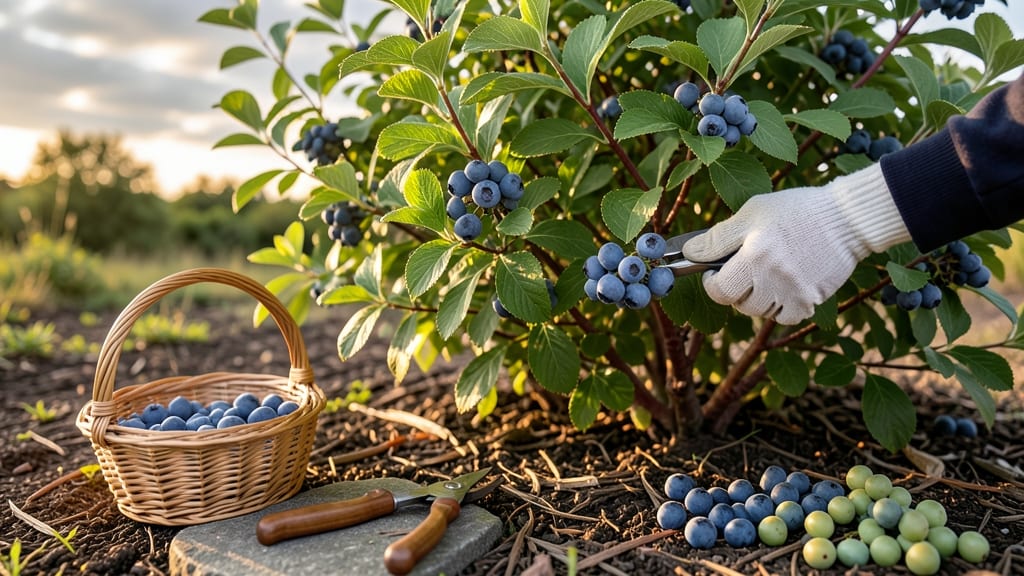
Picking blueberries at the perfect time means the difference between a sweet, juicy burst and a mealy, underwhelming bite — and it’s all about knowing the right cues.
If you’ve ever plucked what looked ripe only to find it bland or still hard, you’re not alone. The secret lies in color, firmness, and even the way the berries detach from the stem. These small details can transform your harvest from good to exceptional.
In General (USDA Zone 6 default), the best time to pick blueberries falls between late June and early July, but the real magic happens in the morning. Cooler temperatures preserve flavor, and the berries are at their peak after a night’s rest.
Below, I’ll walk you through the exact signs to look for — and the mistakes that can ruin your crop.
You’ll learn how to spot perfectly ripe 🫐 berries, avoid common pitfalls, and even adjust your timing based on your local climate. No more guesswork, just a sweet, flavor-packed harvest every time.

How to identify perfectly ripe blueberries by color, stem, and seed
Nothing beats the taste of a perfectly ripe blueberry—juicy, sweet, and bursting with flavor. But how do you know when those tiny fruits are at their peak? The answer lies in three key indicators: color, stem flexibility, and seed maturity.
These visual and tactile cues tell you exactly when to harvest for the best results. Ignoring these signs can lead to underripe (tart and firm) or overripe (mealy and seedy) berries, ruining your harvest. Let’s break down what to look for to ensure you pick only the finest blueberries.
First, focus on the color transformation. Unripe blueberries often appear reddish-purple or even greenish, while ripe ones turn a deep, uniform blue. This color change isn’t just about looks—it signals that the sugars have fully developed and the acidity has mellowed.
In cooler climates, like USDA Zone 5 or 6, this shift might take longer due to shorter growing seasons. Conversely, in warmer zones like Zone 8 or 9, berries ripen faster, so you’ll need to check them more frequently.
Paying attention to this color gradient helps you avoid picking too early or too late.
Next, test the stem flexibility. A ripe blueberry should detach easily with a gentle twist—no force needed. If the berry tears away from the stem or requires pulling, it’s not ready yet.
This stem test is your best friend because it confirms the berry’s internal ripeness, not just its appearance. Overripe berries may also detach too easily, so balance is key. Pro tip: If the stem bends but doesn’t snap cleanly, wait another day or two.
This tactile check ensures you’re harvesting at the optimal sweetness without compromising texture.
The third clue lies in the seeds. A fully ripe blueberry will have fully developed seeds that are visible when you cut it open. If the seeds are small, pale, or underdeveloped, the berry isn’t ready.
This might sound odd, but it’s a foolproof way to gauge ripeness, especially for heirloom or late-season varieties that take longer to mature. For example, Jersey or Bluecrop varieties often show seed maturity a few days after the color change.
Keep an eye on a few berries over time to track this progression.
| Ripeness Indicator | What to Look For | Best Time to Pick |
|---|---|---|
| Color | Deep, uniform blue (not red/purple) | When 80-90% of berries on a branch reach this stage |
| Stem Flexibility | Detaches cleanly with gentle twist | Morning hours (berries are cooler and firmer) |
| Seed Maturity | Seeds are plump, dark, and fully formed | 1-2 days after color and stem tests pass |
| Environmental Factors | Cooler temps slow ripening; heat speeds it up | Adjust picking schedule based on local climate |
Environmental factors can also throw off your timing. For instance, hot, dry weather can cause blueberries to ripen faster, while cool, cloudy days may delay the process. If you’re in a humid climate, like the Southeast, berries might develop a waxy coating or stay slightly firmer.
In these cases, rely more on the stem test than color alone. Additionally, rainy conditions can dilute flavors, so avoid picking right after a downpour. Instead, wait until the berries dry slightly and the stems are firm again.
Regional variations play a huge role in ripening schedules. In northern states, like Maine or Michigan, blueberries typically ripen in late June to early July, while in Southern states, such as Georgia or Florida, the harvest can stretch from May to August.
Even within a single state, elevation matters—mountain regions (e.g., Appalachians) may have a 2-week delay compared to valley areas. To stay ahead, monitor your bushes every 2-3 days during peak season and adjust your picking schedule accordingly.
One common mistake is assuming all blueberries on a bush ripen at once. In reality, they often ripen in clusters, with some branches maturing earlier than others. This is why it’s crucial to check multiple branches before declaring the entire harvest ready.
For example, early-season varieties, like Earliblue, might ripen a week before late-season types, such as Patriot. If you’re growing multiple varieties, keep a harvest log to track ripening progress for each. This ensures you don’t miss out on any berries or pick too many at once.
Finally, don’t overlook the aroma test. Crush a ripe blueberry between your fingers—it should release a sweet, tangy scent. Underripe berries smell sour or bland, while overripe ones may have a fermented odor.
This sniff test is especially useful for dark-colored varieties, where color differences might be harder to spot. Combine this with the other cues, and you’ll never second-guess your harvest again
Best time of day and season for blueberry harvesting (by climate Zone)
Timing your blueberry harvest correctly ensures the sweetest, juiciest berries possible. The best time of day to pick is early morning after the dew has dried but before the sun intensifies. Cooler temperatures preserve flavor, and berries are firmer after overnight hydration.
In my experience, harvesting between 6 AM and 9 AM gives the best results, especially in warmer climates where afternoon heat can make berries soft and mealy.
Seasonal timing varies dramatically by USDA hardiness zone, with northern regions like Zones 3-5 typically harvesting in late June to early July, while southern zones (Zones 7-9) may see harvests as early as May or as late as August.
Temperature plays a crucial role—blueberries ripen faster in heat but lose flavor quickly if left on the bush too long. I always monitor weather forecasts to avoid picking before an unexpected heatwave.
| USDA Zone | Harvest Season | Best Time of Day | Temperature Ideal Range (°F) | Key Tip |
|---|---|---|---|---|
| 3-5 (Cold Climates) | Late June - Early July | 6 AM - 9 AM | 60-75°F | Pick after frost risk passes; berries ripen slower in cool temps |
| 6-8 (Temperate) | May - July | 5 AM - 8 AM | 65-80°F | Morning picking prevents afternoon heat damage; harvest in stages |
| 9-11 (Warm Climates) | April - June | 4 AM - 7 AM | 55-70°F | Early morning is critical; berries overripe quickly in heat |
In Zones 3-5, where winters are harsh, blueberries often need a chilling period to ripen properly. I’ve found that patience pays off—waiting for berries to fully darken to deep blue (not purple or red) ensures peak sweetness.
Meanwhile, in Zones 9-11, the rush to harvest can lead to overripe berries if you’re not vigilant. I recommend checking bushes every 2-3 days once berries start coloring.
Temperature extremes can throw off ripening schedules. For example, a sudden heatwave above 90°F can cause berries to ripen unevenly or develop a mealy texture. To combat this, I harvest earlier in the day and store berries in the fridge until ready to use.
Conversely, cool nights below 50°F slow ripening, so I extend my harvesting window slightly in these conditions.
One pro tip I swear by is the "stem flex test". Gently pinch the berry’s stem—if it detaches cleanly with a slight twist, it’s ready. If it resists or tears, wait another day.
This method works across all zones and is far more reliable than guessing by color alone. I’ve saved countless underripe berries by using this simple trick!
Regardless of your zone, always harvest frequently but gently. Blueberries ripen in clusters, so I pick every 2-3 days during peak season to avoid overloading branches. This not only improves flavor but also encourages more fruiting next year.
With the right timing, you’ll transform your blueberry bushes into a flavor-packed treasure trove every harvest season. 🫐