
Picking
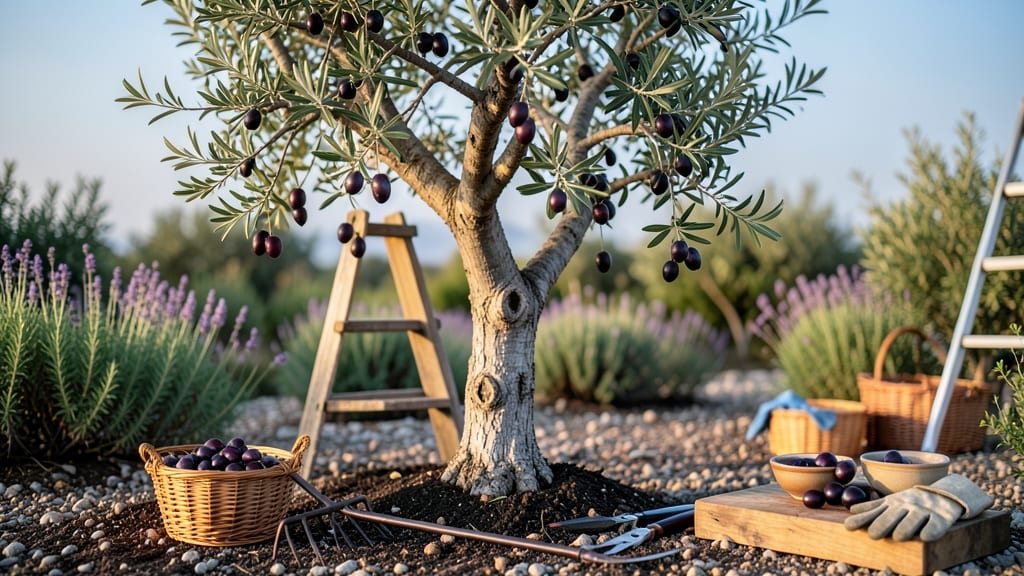
Harvesting olives at the right time in their season transforms bitter green fruit into rich, flavorful oil or briny table olives.
Picture this: you’ve spent years nurturing your olive tree 🫒, and now the moment of truth arrives—pick too early, and you’re left with harsh, inedible fruit. Too late, and the olives become mealy or fall prey to pests.
The exact timing depends on your climate zone, but missing the window means wasted effort.
In Mediterranean regions (zones 8a-10b), olives typically ripen between October and December, shifting from green to deep purple or black. But if you’re outside that zone, your harvest could stretch into January or even February.
The key is watching for color changes, slight softening, and natural detachment from the branch—signs your olives are ready.
Below, I’ll break down the precise months for your area, how to test ripeness beyond just the calendar, and the one mistake that turns perfect olives into a culinary disaster. Let’s get started.

When to harvest olives by climate zone: exact months for optimal flavor
Harvesting olives at the right time transforms bitter green fruits into sweet, flavorful treasures—whether you're growing Manzanillo or Arbequina varieties. The exact harvest window depends on your climate zone, with Mediterranean regions offering the most predictable timing, while temperate and subtropical zones require extra attention to ripeness cues.
Missing the window means either overly bitter olives or lost fruit that falls to the ground.
In Mediterranean climates (like California or Spain), olives typically reach peak ripeness between October and December, aligning with cooler autumn temperatures. However, gardeners in USDA Zones 8-10 with milder winters may extend harvests into early January.
The key is watching for color changes from green to purplish-black, paired with a slight softening of the fruit—this balance ensures optimal flavor for both table olives and olive oil production.
| Climate Zone | Harvest Window | Key Ripeness Indicators | Best For |
|---|---|---|---|
| Mediterranean (Zones 8-10) | October–December | Purple-black color, soft pit, natural drop | Table olives, oil production |
| Temperate (Zones 7-8) | September–November | Green-to-purple shift, slight softening | Early table olives |
| Subtropical (Zones 9-11) | November–January | Black color, easy detachment | Oil olives, long storage |
| Cold Temperate (Zones 6-7) | Late September–October | Partial color change, firm texture | Quick processing |
🌱 Note: Adjust for early/late varieties—some Arbequina olives ripen 2-3 weeks earlier than Manzanillo.
Gardeners in temperate zones (like USDA Zones 7-8) face a shorter harvest window, typically from late September to November. Here, olives rarely turn fully black due to cooler autumns, so focus on a green-to-purple shift and a slight softening of the pit.
If you're growing Arbequina olives—known for their early ripening—you might harvest as early as September, while Manzanillo varieties may need until November.
For subtropical climates (such as USDA Zones 9-11), the harvest extends later into the year, often from November to January. The warmer winters allow olives to ripen fully, turning deep black and developing a richer oil content.
In these zones, olives may even drop naturally from the tree—a classic sign of peak ripeness. If you're in Florida or Southern California, plan for a staggered harvest, as some branches may ripen weeks before others.
One of the biggest mistakes I see is relying solely on calendar dates instead of visual cues. For example, a Manzanillo olive left on the tree past December becomes overly ripe, losing its balanced flavor and developing a mushy texture.
Always check for color uniformity across the tree—if half are purple and half remain green, harvest the ripe ones first and leave the rest to mature further.
In colder temperate zones (like USDA Zones 6-7), frost risk shortens the harvest window dramatically. Aim to pick olives by late October to avoid damage from early frosts. These olives will rarely reach full black ripeness, so prioritize partial color change and a firm yet yielding texture.
If you're in Zone 6, consider harvesting green olives for curing—these hold their shape better when brined.
Pro tip: Test ripeness by gently pressing an olive between your fingers. A ripe olive should yield slightly without squishing—this indicates the pit is softening and the flesh is developing flavor. If the olive feels rock-hard, it’s not ready, while a mushy texture means it’s past its prime.
Pair this test with a taste check: ripe olives should have a balanced bitterness and slight sweetness.
How to determine olive ripeness beyond months: 5 key signs for perfect picking
Don’t rely solely on the calendar when harvesting olives—visual cues and physical tests are your best tools. Even in the same climate zone, olives can ripen weeks apart depending on the variety and tree health.
I’ve learned the hard way that picking too early leaves you with bitter, unripe fruit, while waiting too long risks mealy texture or pest damage. Let’s focus on the five foolproof signs that tell you exactly when to harvest.
The first clue is color change. Mediterranean varieties like Manzanillo or Arbequina shift from bright green to deep purple or black. For oil olives, wait until they’re fully black, while table olives can be harvested when they’re still purplish.
This change signals the olives’ natural sugars have converted from starches, making them sweeter and less bitter.
Next, perform the texture test. Ripe olives should feel firm but slightly yielding when pressed between your fingers. If they’re rock-hard, they’re unripe; if they’re mushy, they’ve overripe.
I recommend testing a few olives from different branches—consistency is key. For oil olives, the pit should also feel softer inside, indicating higher oil content.
A sure sign of ripeness is when olives begin to drop naturally. Shake the branches gently—if ripe olives fall easily, that’s your cue to harvest. This method mimics how wild olives disperse, ensuring you’re catching them at peak ripeness.
Pro tip: Harvest on a dry, sunny morning to prevent bruising and speed up curing if you’re processing them.
Never skip the taste test. Pop an olive into your mouth—ripe ones should have a balanced flavor, not overwhelming bitterness or mealiness. For table olives, you’ll want a hint of sweetness; for oil olives, the bitterness should be minimal.
If the olive tastes harsh or watery, it’s not ready. This step might seem obvious, but I’ve seen gardeners overlook it and end up with a disappointing harvest.
The final check is oil content. Squeeze a ripe olive between your fingers—if a golden droplet of oil appears, you’re golden (pun intended). Watery or colorless liquid means the olives aren’t ready.
This test is especially critical for oil varieties like Kalamata, where high oil content is the goal. If you’re unsure, harvest a small batch first and test them after curing.
One common mistake is waiting until all olives on the tree are ripe. Olives ripen asynchronously, so pick in stages, focusing on the color and texture of individual branches. Another pitfall? Harvesting after a heavy rain, which can dilute flavors and attract pests.
Always aim for dry, sunny conditions to preserve quality. With these signs, you’ll never miss the perfect picking window again!