
How To
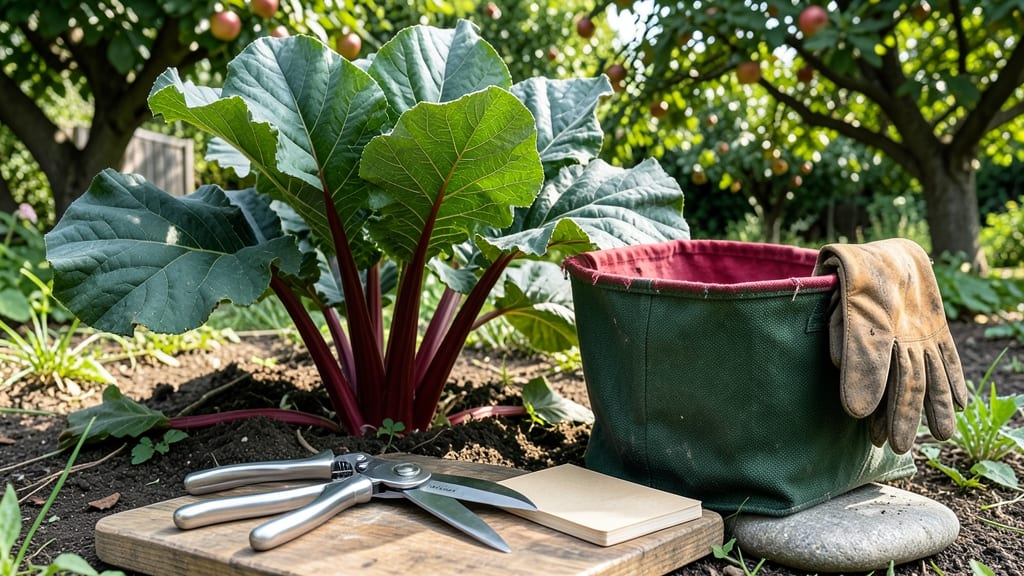
Harvesting rhubarb at its peak sweetness—when the stalks snap cleanly and taste their best—is the best way to harvest rhubarb and keep your plant thriving for years.
If you’ve ever bitten into rhubarb that’s tough, fibrous, or lacks sweetness, you know timing and technique matter more than you think. The difference between a culinary gem and a disappointing bite often comes down to when you cut those vibrant stalks and how you handle them afterward.
In USDA Zone 6, where rhubarb grows best, late spring to early summer is prime harvest time—May to June—when stalks reach at least ½-inch thick and snap easily.
But there’s more to it than just waiting for the right size; how you cut and care for the plant ensures it keeps producing year after year.
Below, I’ll walk you through the exact steps to harvest rhubarb without damaging the plant, how to store your bounty for maximum flavor, and the simple tricks that turn your garden’s tart stalks into pies, compotes, or jams that taste like summer.

When to harvest rhubarb for maximum sweetness and tender stalks
Harvesting rhubarb at the right time ensures maximum sweetness and tender stalks that snap cleanly—key indicators your rhubarb is ready. The ideal harvest window in USDA Zone 6 falls between late May and early June, when stalks reach their peak flavor and texture.
Look for ½-inch thick stalks that are vibrant red or green, depending on your variety. These stalks should also snap easily when bent, not bend without breaking. If they feel woody or rubbery, they’re not ready yet.
The leaf color is another clue—fully unfurled, deep green leaves signal maturity. Avoid harvesting when leaves are still curled or yellowing, as this indicates stress or immaturity.
Timing matters beyond just size. Harvesting too early results in thin, rubbery stalks with less flavor, while waiting too long can lead to fibrous, tough stalks that lose their sweetness. Balance is key!
| Harvest Readiness | Visual Cues | Best Time to Harvest |
|---|---|---|
| Stalk Diameter | ½-inch or thicker | Late May–early June |
| Stalk Snap Test | Snaps cleanly when bent | Morning hours (cool temps) |
| Leaf Condition | Fully unfurled, deep green | After frost risk passes |
| Stalk Color | Vibrant red or green | Before stalks thicken beyond ¾-inch |
| Avoid Harvesting | Thin, rubbery stalks (< ¼-inch) | First-year plants (wait 180+ days) |
Harvesting in the morning is ideal because cooler temperatures make stalks crispest. Avoid harvesting after a hot day, as stalks can become tough and lose moisture quickly.
For first-year plants, wait until they’ve established roots and stalks reach at least 10 inches tall. Over-harvesting young plants can stunt growth and reduce future yields.
Seasonal timing also plays a role. In USDA Zone 6, early spring (March–April) is for planting, while fall harvests (September–October) are possible in warmer microclimates but risk frost damage.
Pro tip: Never remove more than one-third of the stalks at a time. This preserves the plant’s energy for next year’s harvest and ensures a steady supply of tender, sweet stalks.
By mastering these cues, you’ll transform your rhubarb harvest from tough and tart to sweet and snappy, ready for pies, compotes, or fresh eating. The key? Patience and precision—your rhubarb will thank you with years of bountiful harvests!
Step-by-step harvesting technique to avoid damaging the plant
Now that you’ve identified the perfect rhubarb stalks, the next step is harvesting them without harming the plant. A clean cut preserves the plant’s health and ensures future yields. The key is using the right tools and technique—and knowing what to avoid.
Start by gathering your tools: a sharp pruning shears or a clean knife. Dull tools crush stems, inviting disease and stressing the plant. Always sterilize your blades with rubbing alcohol to prevent spreading pathogens between cuts.
Next, focus on the cutting angle. Make your cuts at a 45-degree angle, about 1 inch above the leaf base. This prevents water from pooling on the stem, reducing rot risk. Never cut too close to the leaf—this can damage the plant’s growth point.
- Step 1: Choose stalks that are ½-inch thick and snap cleanly when bent.
- Step 2: Hold the stalk firmly and cut at a 45-degree angle with a sharp tool.
- Step 3: Cut 1 inch above the leaf base to avoid damaging growth points.
- Step 4: Remove no more than one-third of the stalks at once to preserve plant energy.
- Step 5: Harvest in the morning when stalks are crispest and cool.
- Step 6: Discard leaves (they’re toxic) and store stalks in the fridge for up to 1 week.
Frequency matters just as much as technique. Harvest every 2-3 weeks during peak season to encourage continuous growth. Over-harvesting weakens the plant, while under-harvesting can lead to tough, fibrous stalks. Balance is key!
Avoid common mistakes like twisting stalks or using dull tools, which tear tissue and invite disease. Also, never harvest in hot afternoons, as stalks become tough and lose moisture. Stick to cool mornings for the best results.
With these steps, your rhubarb plant will stay healthy, producing sweet, tender stalks for years to come. Happy harvesting!