
How To
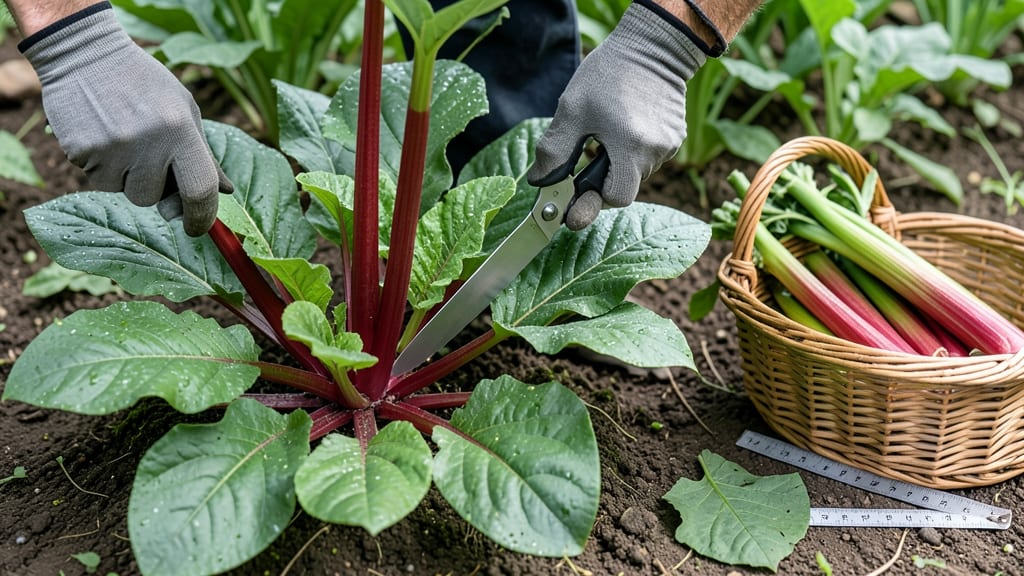
To harvest rhubarb stalks at their peak, wait until they reach 10-12 inches and show deep red or pink hues—this is when they’re sweetest and most tender 🌱.
Picture this: you’ve been watching your rhubarb patiently grow all spring, and now those vibrant stalks are finally ready. But pull too early, and you’ll get tough, bland stems. Cut too late, and the plant struggles to recover for next year’s harvest.
In this guide, I’ll walk you through the best timing, how to spot ready stalks, and the proper cutting techniques to keep your rhubarb thriving. No more guessing—just a foolproof method for the most flavorful, long-lasting harvests.
You’ll also learn how to avoid over-harvesting, extend your season, and even troubleshoot common mistakes. By the end, you’ll be harvesting rhubarb like a pro, with a plant that keeps giving year after year.

When to harvest rhubarb stalks: the perfect timing guide
Harvesting rhubarb at the right time transforms your garden into a flavor-packed treasure trove. But timing is everything—pick too early, and you’ll get woody, bland stalks.
Wait too long, and you risk reducing next year’s yield. The key lies in understanding your plant’s age, stalk maturity, and seasonal cues.
First-year plants need patience. First-year rhubarb rarely produces harvestable stalks—focus on establishing strong roots. By year two or three, your plant will reward you with thick, vibrant stalks ready for picking.
Even then, harvest timing varies by variety: early types like 'Timperley Early' ripen in late spring, while late varieties like 'Victoria' peak in early summer.
Stalk thickness is your best indicator. Aim for 1-inch diameter stalks—any thinner, and they’ll be tough and underdeveloped. Run your fingers along the stalk: firmness with slight give means it’s ready. Avoid stalks that feel spongy or hollow, as these are overripe or diseased.
Color matters too. Deep red or pink hues signal maturity, while pale green stalks are immature and less sweet. Pro tip: Cut stalks at the base where they meet the crown—never pull or twist, as this damages the plant.
Always leave the large, protective leaves intact; they shield the crown and photosynthesize for next year’s growth.
Seasonal timing depends on your USDA hardiness zone. In Zone 6 (like my garden), harvest begins after the last frost—typically late April to early May.
In colder zones, wait until soil warms to 50°F (10°C). Late varieties can be harvested until early July before the plant shifts energy to leaf production.
Overharvesting is a common mistake. Never take more than one-third of stalks in a single harvest, or you’ll weaken the plant. I’ve seen gardeners strip entire plants bare in one go—big mistake! This stresses the crown and can kill your plant before it even establishes properly.
🌱 Pro Tip: Mark your calendar! Most rhubarb varieties produce their best stalks in May and June. After that, flavor declines, and the plant needs time to replenish energy stores for winter.
| Factor | Ideal Condition | Action |
|---|---|---|
| Plant Age | 2+ years old | Wait for first-year growth |
| Stalk Thickness | 1+ inch diameter | Harvest when firm and thick |
| Stalk Color | Deep red/pink | Avoid pale green stalks |
| Seasonal Timing | After last frost | Late April–early July |
| Harvest Ratio | Max 1/3 of stalks | Leave 2/3 for plant health |
Early varieties like 'McDonald' or 'Cherry' are your spring harvest heroes. These ripen 4-6 weeks earlier than standard types, giving you a jump-start. But don’t overlook late varieties—they extend your harvest window by 3-4 weeks into summer. My 'Victoria' plants keep producing until mid-July in Zone 6.
Temperature plays a sneaky role. Cool nights (50-60°F) enhance rhubarb’s tart-sweet flavor. If summer heat arrives early, harvest sooner to avoid woody stalks. I’ve noticed my rhubarb tastes most vibrant after a light frost in fall—though that’s for next year’s crop!
🌿 Warning: Never harvest rhubarb leaves—even though they’re edible (and toxic in large amounts!). The oxalic acid in leaves can cause stomach upset. Stick to the tender, crisp stalks for safe, delicious eating.
To maximize future harvests, prune leaves strategically. After your final harvest, remove 1/3 of the largest leaves to reduce stress on the crown. This helps the plant store energy for next spring** while keeping the foliage lush enough to protect the crown from winter freeze.
Step-by-step rhubarb harvesting techniques for beginners
Harvesting rhubarb stalks correctly is all about timing and technique—cut too soon or too late, and you’ll compromise flavor and future growth. The key is to wait until stalks reach 10-12 inches with a deep red or pink hue, signaling peak sweetness and tenderness.
I’ve learned the hard way that rushing the harvest leads to tough, bland stalks, so patience pays off!
Never cut the large leaves—these are essential for photosynthesis and plant health. Instead, focus on the thick, firm stalks at the base. Using the right tools and method ensures your rhubarb plant stays healthy and produces for years. Let’s break down the exact steps to harvest like a pro.
Harvest only when stalks are 10-12 inches tall, 1 inch thick, and show deep color. Thin stalks are still developing and lack flavor.
A sharp knife or pruning shears prevent tearing. Sterilize blades with rubbing alcohol to avoid spreading disease.
Hold the stalk firmly and cut 1 inch above ground level at a 45-degree angle to avoid damaging the crown.
Leave all large leaves intact—they power photosynthesis. Only remove yellow or damaged leaves to reduce stress on the plant.
Never take more than ⅓ of stalks at once. Prioritize the thickest, longest stalks to encourage even growth.
Wrap stalks in a damp paper towel and refrigerate for up to 2 weeks. Avoid washing until ready to use.
After harvesting, resist the urge to overdo it—your rhubarb plant needs energy to regenerate. I’ve found that limiting harvests to 2-3 times per season keeps my plants robust and productive for decades. Always leave at least 6-8 stalks to ensure next year’s crop thrives.
Pro tip: Mark harvested stalks with a small flag or ribbon to avoid re-cutting the same ones. This simple trick saves time and prevents unnecessary stress on the plant. With these techniques, you’ll enjoy a bountiful rhubarb harvest year after year!