
Vegetables
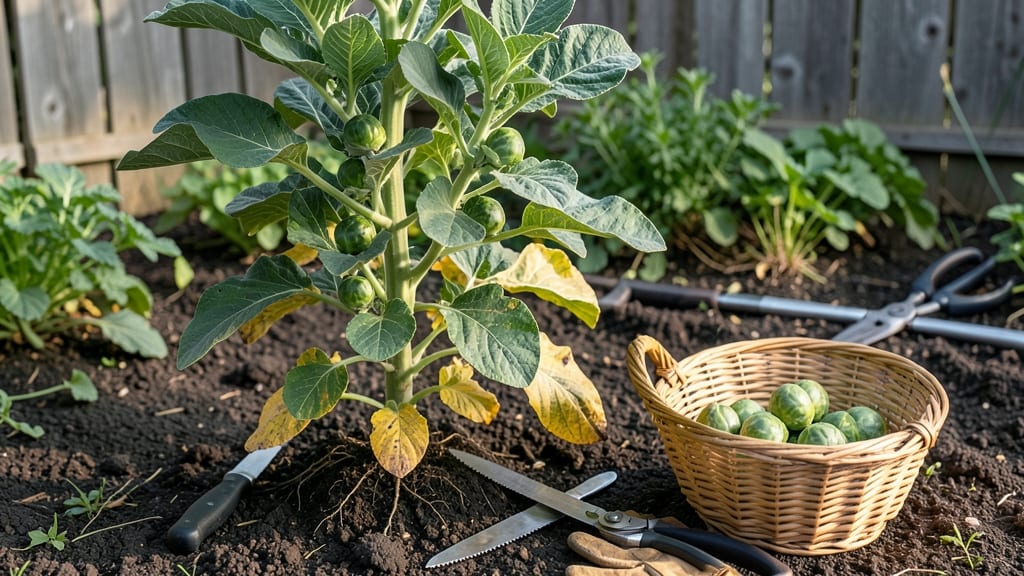
Timing the harvest of your 🥦 brussel sprouts at the right moment transforms them from garden veggies into crisp, sweet flavor bombs.
Brussels sprouts taste like gourmet delicacies when harvested at the perfect moment—but get it wrong, and you’ll end up with bitter, woody vegetables. The difference between a disappointing crunch and restaurant-worthy bites comes down to knowing exactly when to pick, and it’s easier than you think.
In USDA Zone 6a, the ideal harvest window stretches from late October through November, when buds reach 1-1.5 inches in diameter and turn deep green or purple. But even in the same region, a week too early or too late can turn your crop into a flavor letdown.
Below, I’ll walk you through the exact signs to watch for—plus how to harvest without damaging the plant—so you can enjoy the best possible flavor from your garden.

Brussels sprouts harvest time: exact stages to pick for peak flavor
Timing your Brussels sprouts harvest is the secret to unlocking their sweetest, crispiest flavor. These cool-season vegetables mature gradually, offering a staggered harvest window that can span several weeks. If you pick too early, you’ll get tiny, bland sprouts, while waiting too long results in tough, bitter buds.
The key is catching them at the ideal maturity stage—when they’re firm, compact, and packed with flavor.
Most varieties reach harvest readiness 90 to 120 days after planting, but this varies based on your climate zone and growing conditions. In cooler regions like USDA Zone 6a, your harvest typically begins in late October, while warmer zones may extend it into early November.
Paying attention to visual cues and physical texture will help you determine the perfect moment to harvest.
⚠️ CRITICAL NOTE: Brussels sprouts continue to develop from the bottom up. Always harvest the lowest mature buds first to encourage the growth of smaller, tastier sprouts higher on the stalk. This method ensures a prolonged harvest season and prevents the plant from becoming woody or exhausted.
| Maturity Stage | Bud Size | Color | Texture | Harvest Time |
|---|---|---|---|---|
| Early (Not Ready) | Under 1 inch | Pale green/yellowish | Soft, mushy | Avoid picking |
| Ideal (Ready) | 1-1.5 inches | Deep green/purple | Firm, compact | Harvest immediately |
| Late (Overripe) | Over 1.5 inches | Yellowing/brown | Woody, tough | Bitter, discard |
| Stalk Condition | Woody, firm | N/A | N/A | Healthy stalks extend harvest |
To test for readiness, gently squeeze a bud between your thumb and forefinger. It should feel firm yet slightly yielding, like a small, compact ball. If it’s too soft, it’s not ready—wait a few days.
Overripe sprouts, on the other hand, will feel hard and woody, with a bitter taste that’s nearly inedible. A quick color check is also essential: look for deep green or purple hues—avoid any yellowing or browning, which signals spoilage.
Another pro tip? Harvest in the morning after a light frost, if possible. The cold enhances their sweetness and crispness. Use a sharp knife or pruners to cut the stalk about an inch above the bud, leaving the stem intact.
This encourages the plant to produce more sprouts. If you’re harvesting multiple buds, work from the bottom upward to maintain the plant’s energy balance and extend your harvest window.
Regional climates play a role in harvest timing. In cooler northern zones, like the Pacific Northwest, you might start harvesting as early as mid-September, while southern gardeners in Zone 8 or warmer may need to plant late summer varieties to avoid heat stress.
Always monitor your plants closely, as unpredictable weather can shift the ideal harvest window by a week or more.
One common mistake is assuming all buds on a stalk are ready at once. In reality, the lower buds mature first, followed by those higher up.
This staggered ripening is why Brussels sprouts are such a rewarding crop—you can enjoy fresh harvests for 6 to 8 weeks if you time it right. If you notice the stalk becoming woody or yellowing, it’s a sign the plant is exhausted, and you should harvest what’s left immediately.
For peak flavor, aim to harvest when buds are 1 to 1.5 inches in diameter and still tightly closed. At this stage, they’re packed with natural sugars and a satisfying crunch. Store them in the fridge for up to 5 days, or freeze them for later use.
Proper timing isn’t just about taste—it’s also about preserving the plant’s health and maximizing your yield.
If you’re growing multiple varieties, like the popular ‘Long Island Improved’ or ‘Ruby’ (purple-hued), check their specific maturity dates. Some varieties, like ‘Tasty
How to harvest Brussels sprouts without damaging the plant (Step-by-Step)
Harvesting Brussels sprouts properly ensures a longer harvest season and sweeter flavor. The key is to pick the right buds at the right time while leaving enough foliage to keep the plant producing.
I’ve learned that even a small mistake—like snapping stems or over-picking—can stress the plant and reduce future yields. Let’s break down the exact steps to harvest without harm.
Start by checking your Brussels sprouts for ready-to-pick buds. Look for buds that are 1 to 1.5 inches wide, firm to the touch, and have turned a deep green or purple hue.
These are your prime harvest candidates. Avoid picking buds that are still small or soft, as they won’t be flavorful yet. The lower buds will mature first, so begin harvesting from the bottom up.
Step-by-Step Brussels Sprouts Harvest Guide
- 🌱 Step 1: Inspect the Plant
Check the lower 1/3 of the stalk first. Look for buds that are 1-1.5 inches wide and deep green/purple. - 🪴 Step 2: Use the Right Tools
Grab a sharp pruning shears or clean knife. Avoid pulling buds by hand to prevent stem damage. - ✂️ Step 3: Cut 1 Inch Above the Bud
Make a clean cut about 1 inch above the bud. Leave the leaf stems attached to the plant. - 🌿 Step 4: Harvest from Bottom to Top
Work your way up the stalk, always picking the lowest mature buds first. This encourages new buds to form higher up. - 💧 Step 5: Water and Fertilize After Harvesting
Give the plant a deep watering and a light fertilizer (like 10-10-10) to support continued growth. - 🌡️ Step 6: Extend the Season with Pruning
If frost threatens, prune the entire plant to 6 inches tall. Replant seeds in spring for a second harvest the following year.
One of the biggest mistakes I see gardeners make is over-picking or using dull tools. A jagged cut can introduce diseases, while removing too many buds at once stresses the plant.
Always leave at least 6-8 inches of stalk above the highest bud you pick. This ensures the plant keeps photosynthesizing and producing new sprouts.
If you’re harvesting in late fall and frost is approaching, don’t panic! You can still salvage your Brussels sprouts harvest. Simply cut the entire plant at the base, trim off the lower leaves, and store the stalks in a cool, dark place (like a garage).
The buds will continue maturing and can be picked over 2-3 weeks as needed. This trick has saved my harvest more times than I can count!
Finally, remember that Brussels sprouts are a cool-season crop, so timing is crucial. If you miss the fall harvest window, you can replant seeds in early spring for a summer harvest.
Just be sure to space plants 18-24 inches apart to allow for proper airflow and growth. With these steps, you’ll enjoy a bountiful, damage-free harvest every season.