
Vegetables
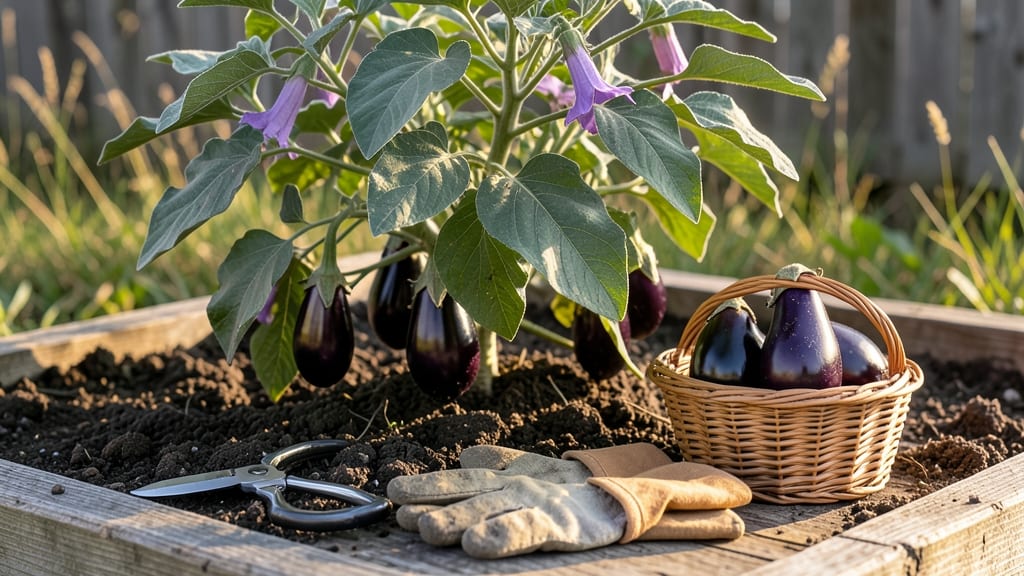
The eggplant harvest time is all about catching those 🍆 fruits at their peak—when they’re glossy, firm, and bursting with flavor, not tough or seedy.
Picture this: you’ve been patiently waiting, and now your plants are loaded with eggplants. But how do you know when they’re really ready? Picking too early means bland, underdeveloped fruit, while waiting too long can turn them bitter or woody.
The key is watching for those telltale signs—deep, even color, a glossy skin, and a stem that snaps cleanly when twisted.
Timing matters because eggplants don’t ripen after picking, unlike tomatoes. Once they’re off the vine, their flavor and texture are locked in. That’s why knowing the right harvest cues—like size, color, and firmness—can make the difference between a disappointing meal and a showstopping dish.
In this guide, I’ll walk you through exactly what to look for, how to avoid common mistakes, and even which varieties need extra attention. By the end, you’ll be harvesting like a pro, with eggplants so perfect they’ll have your neighbors asking for tips.
How to determine eggplant harvest time by color and size
Harvesting eggplants at the right moment transforms your garden into a bounty of tender, flavorful fruits. The key lies in watching for three critical cues: size, color depth, and skin texture.
Ignore these signals, and you risk bitter, seedy, or tough eggplants that ruin dishes. Let’s break down how to spot the perfect harvest-ready eggplant in your garden.
Eggplants mature over 60–90 days after transplanting, but their ideal harvest window is surprisingly narrow. Waiting too long turns glossy skins dull and seeds oversized, while picking too early means underdeveloped flavor. The secret? Combine visual checks with a simple firmness test to avoid common mistakes.
Not all eggplants share the same color cues—purple varieties like Black Beauty darken to a deep, almost black hue, while white varieties like Rosa Bianca develop a creamy, uniform glow.
Size also varies: standard types reach 6–12 inches, while compact varieties like Fairy Tale stay under 4 inches. Below, we’ve mapped out the exact signals to watch for.
Start by examining the skin color—this is your first clue. For purple varieties, the skin should transition from green to a rich, deep hue with no remaining green patches. In white varieties like Rosa Bianca, the skin should turn uniformly creamy, not yellowish or dull.
Pro tip: Hold the eggplant up to a bright light to spot hidden green spots that indicate underripeness.
Next, perform the firmness test: Gently press the eggplant’s skin with your thumb. Ready-to-harvest eggplants feel firm but slightly yielding, like a ripe avocado. If it feels spongy or squishy, it’s overripe.
Conversely, if it’s rock-hard, it needs more time. This test works for all varieties, including the elongated Ichiban or the round Fairy Tale types.
Size matters too, but don’t rely on it alone. Most standard eggplants reach 6–12 inches in length, but compact varieties like Fairy Tale stay under 4 inches. Measure your eggplant with a ruler or compare it to a standard kitchen tool (like a 6-inch knife or cutting board).
If it’s smaller than expected, wait 2–3 days before rechecking. Overlooking size can lead to bitter, seedy eggplants that spoil quickly.
Pay attention to the stem attachment—this is a foolproof trick. Gently twist the eggplant at its stem. If it snaps cleanly with minimal resistance, it’s ready. If the stem pulls out reluctantly or leaves a chunk of fruit behind, it’s not quite there yet.
This method works even for heirloom varieties with irregular shapes, ensuring you don’t miss the perfect moment.
One common mistake is waiting for eggplants to reach their maximum size before harvesting. While larger eggplants might look impressive, they often develop larger seeds and tougher flesh. For the best flavor, aim to harvest when the fruit is 80% of its final size.
For example, a Black Beauty should be around 8–10 inches long when picked, not 12 inches.
Temperature plays a hidden role in harvest timing. Eggplants grown in hot climates (85°F+) may ripen faster and need harvesting every 2–3 days to stay at peak quality. In cooler regions, extend checks to every 4–5 days.
Keep a small notebook by your garden to track when you harvest each fruit—this helps you predict future harvest windows and adjust your schedule accordingly.
Finally, don’t ignore the seed development. If you cut into an eggplant and see large, mature seeds, it
Common mistakes that ruin eggplant harvest time and how to avoid them
Harvesting eggplants at the wrong time can turn your garden's bounty into a bitter, seedy disappointment. Many gardeners make avoidable mistakes like picking too small or ignoring skin texture, which directly impacts flavor and yield.
Understanding these pitfalls helps you maximize your harvest and enjoy tender, flavorful fruit all season.
One of the biggest mistakes is harvesting eggplants when they're still under 6 inches long. While some varieties mature smaller, most eggplants need to reach their full size—typically 6 to 12 inches—to develop their best flavor.
Picking too early also means fewer seeds, which can lead to more fruit later in the season.
Ignoring skin texture is another common error. A ripe eggplant should have a glossy, firm skin that resists gentle pressure. If the skin feels spongy or dull, it’s a sign the fruit is overripe or underripe. Always check for a snap when twisting the stem—this is your best indicator of readiness.
⚠️ WARNING: Temperature and Humidity Can Ruin Your Harvest! ⚠️ Extreme heat or humidity above 85°F (29°C) can cause eggplants to develop a bitter taste or crack open. If your garden is prone to these conditions, harvest early in the morning when temperatures are cooler.
High humidity also increases the risk of fungal diseases, so ensure proper spacing between plants for airflow. Avoid harvesting during wet conditions to prevent rot or contamination.
Waiting until eggplants are overripe is another mistake that leads to tough, seedy fruit. Overripe eggplants also have a higher risk of splitting, especially in fluctuating temperatures.
To avoid this, harvest regularly—every 3 to 5 days—once the fruit reaches maturity. This encourages your plant to produce more fruit and keeps your harvest consistent.
Some gardeners assume all eggplants ripen at the same rate, but variety matters. For example, Black Beauty typically matures in 75 to 85 days, while smaller varieties like Fairy Tale may be ready in just 60 days.
Always check your seed packet for harvest time guidelines and adjust your expectations accordingly.
Finally, avoid harvesting eggplants with damaged or bruised skin, even if they look ripe. Damaged fruit is more prone to disease and won’t store well. Use clean pruning shears to cut stems, leaving a small portion attached to the fruit.
This prevents tearing and makes transport easier while keeping your plants healthy.
By avoiding these common mistakes—like picking too early, ignoring skin texture, or waiting too long—you’ll enjoy a longer harvest season with flavorful, high-quality eggplants. Pay attention to your plants, and don’t hesitate to harvest frequently to keep them productive all season long. 🌱