
Picking
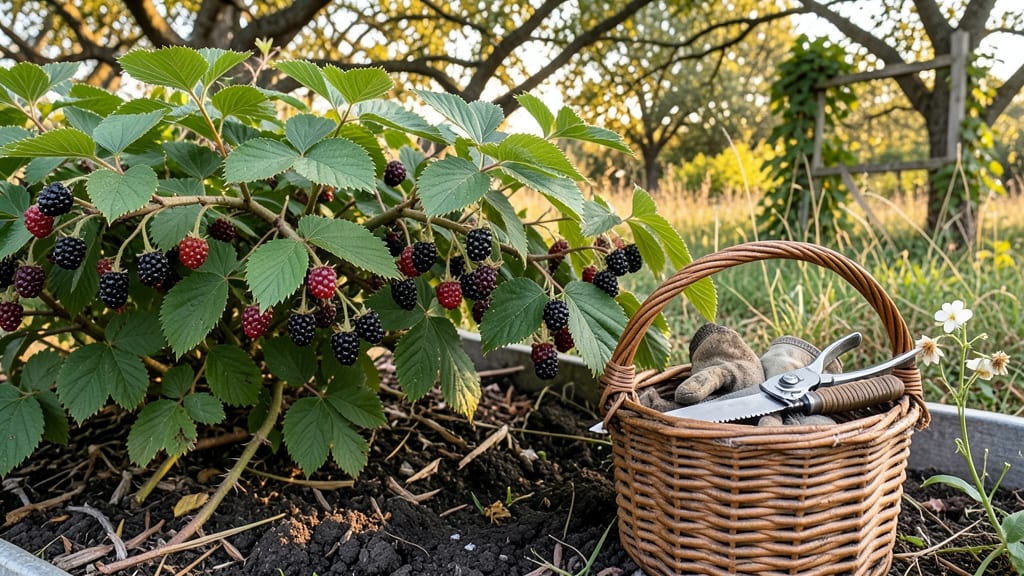
Timing the blackberry harvest season in summer means the difference between juicy, sweet berries and mealy, bird-snacked disappointment.
Summer’s blackberry harvest can turn your backyard into a sweet treasure trove—but timing is everything. Pick too early, and you’ll miss the peak flavor; wait too long, and you risk losing your crop to birds or overripe mush.
Most varieties ripen between June and August, but heat waves or late springs can shift that window. The key is knowing when those deep black or purple berries are ready to pick—and how to tell them apart from underripe or overripe ones.
Below, I’ll walk you through the exact ripeness tests, regional timing tweaks, and post-harvest care tips to keep your blackberries at their best. No more wasted berries, no more guesswork—just perfect, flavor-packed harvests every time.

When blackberries ripen in summer: exact timing by region and variety
Summer’s blackberry harvest season is a delightful but fleeting window that varies by USDA zone and variety. In my Zone 6a garden, I’ve learned that timing isn’t just about the calendar—it’s about heat tolerance, rainfall patterns, and even the specific cultivar growing in your patch.
Miss the window, and you’ll end up with bird-snacked berries or overripe mush.
Most blackberries ripen between late June and August, but the exact timing shifts 1-2 weeks earlier in warmer southern zones (like Zone 8-10) and 1-2 weeks later in cooler northern zones (like Zone 4-5).
For example, my ‘Natchez’ blackberries—a heat-sensitive variety—often ripen by mid-July in my Zone 6a garden, while ‘Arapaho’, a drought-tolerant variety, can wait until early August.
Here’s the exact breakdown of ripening windows by region and variety, so you can plan your harvest like a pro:
| USDA Zone | Blackberry Variety | Heat Tolerance | Peak Ripening Window | Climate Notes |
|---|---|---|---|---|
| 4-5 | ‘Chester’, ‘Triple Crown’ | Cold-hardy | Late July–Early August | Short season; harvest early to avoid frost |
| 6-7 | ‘Natchez’, ‘Ouachita’ | Moderate | Mid-July–Late July | Watch for heat stress in July |
| 8-9 | ‘Arapaho’, ‘Apache’ | Drought-tolerant | Early August–Mid-August | Longer harvest; irrigate deeply in heatwaves |
| 10+ | ‘Black Satin’, ‘Mangala’ | Heat-loving | June–July | Early harvest; shade cloth helps in extreme heat |
If you’re in a transition zone (like Zone 7), your harvest might stretch from late June to early August. Pay attention to local weather patterns: a cool, wet summer can delay ripening, while a hot, dry spell might speed it up.
I once had my ‘Natchez’ berries ripen 2 weeks early after a heatwave in late June—talk about a surprise!
Watch for signs of overripeness to avoid wasting your crop. Berries that turn grayish or develop mold are past their prime, as are those that squish easily or attract swarms of birds.
In my garden, I’ve learned to harvest every 2-3 days once the berries start coloring up to stay ahead of pests and rot.
For late-summer varieties like ‘Arapaho, keep an eye out for color shifts from red to deep purple/black. These berries often ripen in stages, so I pick the darkest clusters first and let the lighter ones mature.
Pro tip: Use bird netting if your harvest aligns with peak bird activity—trust me, cardinals and robins will clean out your patch faster than you can blink!
In cooler climates, like Zone 5, blackberries might struggle to ripen fully by late August. If that’s the case, consider protecting your plants with row covers or choosing earlier-ripening varieties like ‘Chester’. I’ve also had success extending the season by pruning
How to test blackberry ripeness: 3 key methods for perfect picking
Picking blackberries at the perfect moment transforms your harvest from meh to mind-blowing. The difference between a firm berry and a juicy one often comes down to three simple tests.
Master these, and you’ll never waste another summer picking underripe fruit—or worse, letting birds snatch your prize before you do.
First, let’s address the biggest mistake gardeners make: picking green berries. I’ve seen it too often—homegrown blackberries left on the vine too long turn mushy or attract pests.
The key is acting early when the berries show color changes but haven’t fully ripened. Here’s how to nail it every time.
📌 PROS-CONS BOX: HARVESTING BLACKBERRIES AT PEAK RIPENESS
✅ DO THIS
- Gentle squeeze test: Berries should yield slightly but not squish like overripe fruit.
- Deep color check: Fully black or purple (never red or green).
- Stem detachment: Pull gently—ripe berries separate cleanly from the stem.
- Flavor test: Taste one! Sweetness peaks when seeds are fully developed.
❌ AVOID THIS
- Picking green berries: They’ll never sweeten on the vine.
- Ignoring texture: Overripe berries are mushy and attract pests.
- Waiting for "perfect" color: Birds will beat you to it.
- Using force: Tugging too hard damages canes and unripe fruit.
The gentle squeeze test is my go-to method. Hold a berry between your thumb and forefinger—it should feel firm yet slightly yielding, like a ripe peach. If it’s rock-hard, it’s not ready.
If it squishes like jelly, you’ve waited too long. Pro tip: Check multiple berries on the same cane, as ripening varies slightly.
Next, focus on color cues. Ripe blackberries are deep black or purple, not red or speckled. Some varieties like ‘Natchez’ stay purple, while others like ‘Arapaho’ turn nearly black.
Avoid berries with white or green patches—they’re underripe and won’t improve. A quick trick? Hold the berry up to a white background to spot subtle color shifts.
For the most precise test, try the stem detachment trick. Gently pull a berry away from the stem—ripe berries separate easily, while unripe ones stay attached. This method works best in the morning, when berries are cool and firm.
If you’re harvesting a large batch, bring a small refractometer ($20 at garden stores) to test sugar content. Aim for a reading of 8-12 Brix for peak sweetness.
Don’t overlook the flavor test. Pop one berry into your mouth—ripe blackberries should burst with juicy sweetness and a hint of tartness. If it tastes bland or mealy, it’s not ready.
This step is especially useful for new varieties or if you’re unsure about the growing conditions. Remember: birds and wildlife rely on ripe berries too, so harvest frequently to protect your crop.
Timing your harvest also matters. Pick berries in the cool morning hours to preserve their texture and flavor. Avoid harvesting after rain, as wet berries bruise easily. Use a sharp pair of pruning shears or your fingers to avoid damaging the canes.
Store freshly picked berries in the fridge for up to 3 days or freeze them for long-term storage.