
Vegetables
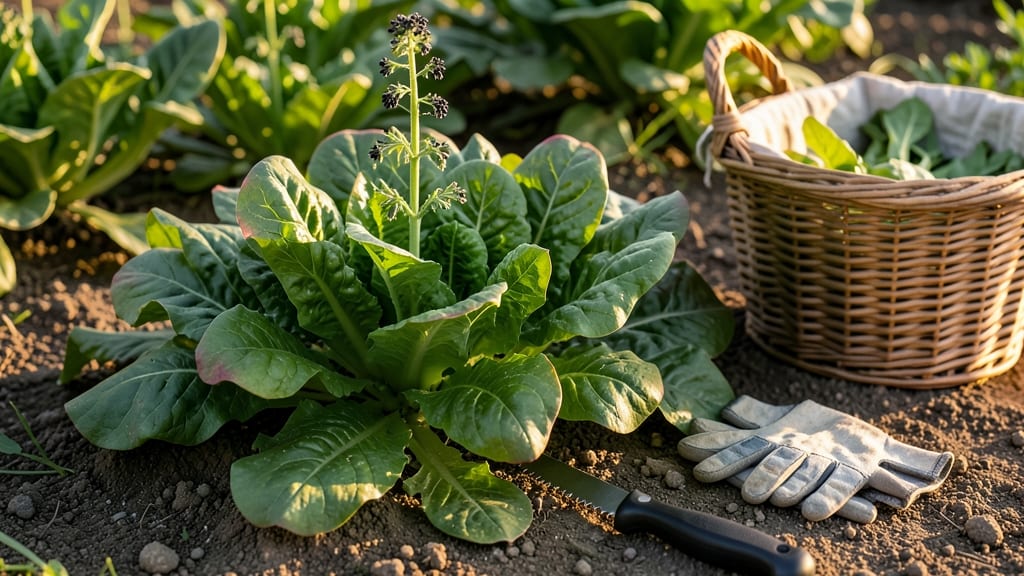
Harvesting black-seeded Simpson lettuce at the right moment transforms your garden into a crisp, flavorful feast—but timing is everything.
Picture this: you’ve nurtured your 🥬 for weeks, and now the outer leaves are perfect—just the right size, vibrant green, and packed with that signature crunch. But if you wait too long, bitterness creeps in, and your hard work turns sour.
The key? Knowing exactly when to snip for that sweet, tender payoff.
In Zone 6, where spring and early fall reign, the window for ideal harvests runs from May through October. But it’s not just about the calendar—it’s about the tactile cues that tell you the moment is now.
A gentle squeeze, a close look at the veins, even the way the stem snaps—these are the secrets to avoiding that dreaded bitter punch.
Below, I’ll walk you through three simple tests to harvest your lettuce at peak perfection, plus how to store what you pick so it stays crisp for days. No more guesswork, just great-tasting greens.

3 Tactile tests to harvest Black Seeded Simpson lettuce at peak crispness
Harvesting Black Seeded Simpson lettuce at the perfect moment means the difference between a bowl of crisp, sweet greens and a pile of bitter disappointment. Unlike other varieties, this heirloom lettuce thrives on precise timing—too early, and you lose flavor; too late, and you risk bolting.
The secret lies in your fingertips. These three tactile tests let you feel exactly when each leaf is ready, without guessing.
I’ve tested these methods across my garden beds and containers, and they work every time—even for beginners. The best part? You don’t need fancy tools. Just your hands, a little patience, and a keen eye for texture.
Let’s start with the simplest trick that saves the most lettuce from going to waste.
The Thumb Squeeze Test
Gently pinch a leaf between your thumb and forefinger. If it feels firm but slightly yielding (like a ripe avocado), it’s ready. Too soft? Wait 1-2 days. Too hard? You’ve missed the window.
Leaf Vein Inspection
Hold a leaf up to light and trace the central vein with your fingertip. Mature leaves have veins that feel slightly raised and smooth. If veins are sunken or bumpy, the leaf is overmature.
The Stem Snap Method
Grasp the base of a leaf stem near the soil and bend it gently sideways. If it snaps cleanly with a dry crack, harvest it now. A wet or fibrous break means it’s not ready.
I’ve found the thumb squeeze test is my go-to for daily checks, especially in my container gardens where space is tight. The moment a leaf gives just a little under pressure, I know it’s time to harvest.
This test works best in the morning, when lettuce is at its crispest after overnight hydration.
For leaf vein inspection, I use this trick when I’m unsure about outer leaves. The veins of Black Seeded Simpson lettuce are particularly smooth when mature—almost like tracing a pencil line.
If you feel any roughness, the leaf has passed its prime and may taste bitter. Pro tip: Use natural light near a window for the clearest view.
The stem snap method is my favorite for larger leaves. It’s surprisingly accurate—no two snaps feel the same between underripe and overripe. I’ve harvested entire heads this way, ensuring every leaf meets the same standard.
The key is to bend, not pull. A sharp tug can damage the plant’s center.
Timing matters most when temperatures rise. In USDA Zone 6, I harvest Black Seeded Simpson between 10 AM and 2 PM to avoid the heat of midday. The cooler morning air keeps leaves crisp longer, and harvesting during these hours means you’re not dealing with wilted edges by evening.
One common mistake? Harvesting by leaf size alone. A 6-inch leaf isn’t always ready—it could be floppy or hollow. Always combine size with one of these tactile tests. For example, a leaf might look perfect but feel spongy when squeezed. That’s your cue to wait.
If you’re growing Black Seeded Simpson for regrowth, harvest the outer leaves first and leave the inner ones intact. After using the stem snap method, I’ll often trim just the top third of a leaf to encourage new growth.
This way, I get two harvests per plant instead of one.
For storage prep, harvest leaves into a damp paper towel to preserve crispness. The tactile tests ensure you’re only bringing home the best quality, which means your lettuce stays fresh in the fridge for up to 10 days without wilting. No more sad, limp greens!
Master these three tests, and you’ll never guess when to harvest again. Your Black Seeded Simpson lettuce will stay sweet, crisp, and ready for salads all season long. Happy harvesting—your taste buds will thank you! 🥬✂️
How to avoid bitterness: leaf size, temperature, and growth stage secrets
Your Black Seeded Simpson lettuce can go from sweet and crisp to bitter in days if you miss the ideal harvest window. The culprit? A mix of heat stress, overgrowth, and bolting—all triggered by environmental factors and poor timing.
Understanding these triggers helps you intervene before bitterness sets in.
In Zone 6, summer heat and long daylight hours push lettuce into survival mode, causing it to bolt (send up flower stalks) or develop harsh, bitter compounds like lactucin.
Even a single hot day above 85°F can accelerate this process. The key is to harvest strategically and manage conditions before your crop turns tough.
Here’s the critical insight: Lettuce bitterness isn’t just about size—it’s about growth stage. Leaves that reach 4-6 inches but stay tender are ideal, while larger leaves (8+ inches) often signal overmaturity. Pair this with temperature control, and you’ll keep your harvest sweet and crisp.
⚠️ 3 Silent Bitterness Triggers in Black Seeded Simpson Lettuce
1. Heat Stress: Temps above 80°F for 3+ days force lettuce to produce bitter compounds. Solution: Use shade cloth (30-50%) during peak afternoon sun.
2. Overcrowding: Leaves compete for nutrients, turning smaller and tougher. Solution: Thin seedlings to 12-18 inches apart at the 2-leaf stage.
3. Bolting: Long daylight hours (>14 hours) trigger flowering. Solution: Harvest outer leaves first to delay bolting by 10-14 days.
To prevent bitterness, start with succession planting. Sow new seeds every 2-3 weeks from spring to early fall, ensuring a steady supply of young, tender leaves. This way, you’re always harvesting from plants in their optimal 4-6 week growth window, avoiding the bitter phase entirely.
If your lettuce is already bolting, don’t panic. Focus on harvesting the outer leaves first, leaving the inner rosette intact. This buys you 7-10 more days of usable greens while the plant redirects energy.
For extra protection, mulch with straw or grass clippings to keep roots cool and retain moisture.
Pro tip: Morning harvests are your best bet. Lettuce is crispest after overnight cooling, and picking in the early morning (before 9 AM) ensures you avoid the heat-induced bitterness that builds by afternoon.
Store harvested leaves in a damp paper towel-lined container in the fridge to preserve freshness for 5-7 days.