
Planting
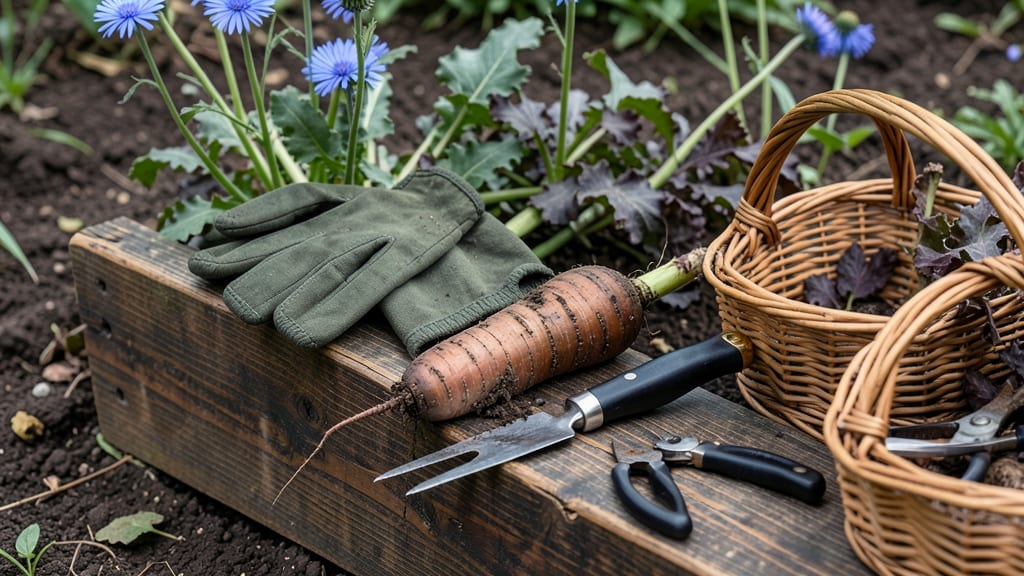
Harvesting chicory root at the right time unlocks its bold, coffee-like flavor and ensures your plant thrives for next year’s harvest 🌱.
Most gardeners dig too early or too late—missing the sweet spot when roots are thick, leaves crisp, and the ground chills. That’s the difference between a bitter disappointment and a harvest so rich it rivals specialty coffee blends.
Here’s how to spot the perfect moment: watch for yellowing leaves, roots the size of a golf ball, and soil that’s cooled to near-freezing. Digging at this stage guarantees maximum pungency without sacrificing your plant’s ability to regrow.
You’ll also learn the tools you need, how to clean and store roots for long-term use, and why a little patience now pays off in years of harvests to come.

When to harvest chicory root for maximum pungency and flavor
Timing your chicory root harvest is everything if you want that signature bold, coffee-like flavor. Unlike annual crops, chicory is a biennial plant, meaning it stores energy in its roots over two growing seasons before reaching peak harvest readiness.
Most gardeners dig too early—missing the maximum pungency—or too late, when roots become woody and bitter. The sweet spot? When your plant signals it’s ready through leaf color, root size, and seasonal cues.
Chicory roots develop their strongest flavor after 365 days of growth, but this timeline shifts based on your USDA hardiness zone and first frost date.
In Zone 6a (like much of the Midwest), I aim to harvest between late October and November, when the first frost triggers leaf dieback.
Warmer climates (Zones 7+) may extend this window into December, while colder regions (Zones 5 and below) might need to harvest earlier, around mid-October.
Key readiness signs include yellowing outer leaves, roots 3-6 inches in diameter, and cold or frozen soil. These indicators ensure your roots are fully developed but haven’t yet turned bitter from prolonged frost. Ignore these cues, and you risk harvesting roots that are either underdeveloped (mild flavor) or over-mature (harsh, woody texture).
To test for readiness, gently pull back the outer leaves and check the root diameter. Aim for roots that feel firm and thick—like a small carrot but denser. If you’re unsure, dig up one root as a test harvest.
Clean it, slice it, and taste it: the perfect root should have a robust, slightly bitter flavor reminiscent of coffee. If it’s too mild, wait another 2-4 weeks.
Seasonal timing matters just as much as visual cues. In my Zone 6a garden, I monitor the first frost date (typically late October) and harvest within 1-2 weeks after. This ensures the roots have fully developed their sugar content and caffeine-like compounds without turning woody.
For gardeners in warmer climates, like Zones 8-10, harvest roots in December or January when nighttime temperatures drop below 40°F (4°C).
One common mistake is harvesting after a hard freeze, which can make roots shrivel or split. Instead, dig when the ground is cold but not frozen solid. Use a garden fork to loosen soil around the base, then gently lift the root.
If it resists, let the soil thaw slightly—forcing it can damage the root’s structure. Always harvest on a dry day to avoid muddy roots that spoil faster.
Pro tip: If you’re growing chicory for both roots and leaves, prioritize leaf harvests in the first growing season (spring/summer) to encourage root development. Save the root harvest for the following year when the plant shifts its energy underground.
This two-year cycle is why chicory earns its reputation as a hardy, low-maintenance crop—it rewards patience with intense flavor.
How to harvest chicory root without killing the plant for regrowth
Harvesting chicory root at the perfect time ensures you get the boldest flavor while preserving the plant’s ability to regrow. The key is patience and precision—digging too early robs you of flavor, while waiting too long risks killing the plant before it can recover.
I’ve learned the hard way that timing and technique make all the difference between a thriving perennial and a one-time harvest.
Chicory is a biennial, meaning it produces leaves in its first year and stores energy in its roots for regrowth the following season. To encourage this cycle, you’ll need to harvest carefully, leaving enough root structure intact.
Start by waiting until the plant’s leaves turn yellow and crisp, and the ground cools to near-freezing temperatures—usually late fall or early winter.
Once you’ve confirmed the plant is ready, the next step is critical: using the right tools and cutting techniques. A sharp garden fork or spade is essential to avoid damaging the remaining root system.
Never pull the root—this can tear delicate fibers and prevent regrowth. Instead, gently loosen the soil around the base and lift the root carefully.
Many gardeners make the fatal error of digging too deeply or cutting the root too short. Chicory roots need at least 3-4 inches remaining to regrow successfully.
If you sever the root below this length, the plant won’t survive the winter. Always leave a thick, woody base—this is where next year’s growth begins.
Another common mistake is harvesting in frozen soil. Frozen ground makes roots brittle and prone to breaking. Wait until the soil is cold but workable—usually just before a hard frost.
After lifting the root, use a clean, sharp knife to trim off the top portion, leaving a 2-3 inch stub. This stub acts as a growth point for next year’s harvest. Discard any damaged or diseased sections immediately to prevent spreading issues to the remaining plant.
Rinse the roots gently with water to remove soil, but avoid soaking—they’ll dry faster if left slightly damp.
Post-harvest care is just as important as the harvest itself. Store the roots in a cool, dark place with good airflow to dry slowly over 1-2 weeks. Meanwhile, mark the harvested spot in your garden bed to avoid disturbing it during winter.
In early spring, you’ll see new shoots emerge from the remaining root—this is your plant’s way of telling you it’s ready for another season of growth.
To maximize regrowth, avoid fertilizing the plant immediately after harvest. Chicory is a low-maintenance perennial once established, and over-fertilizing can encourage weak, leafy growth at the expense of root development. Instead, focus on keeping the soil well-drained and mulching lightly around the base to protect it from temperature swings.
With the right technique, your chicory plant can produce harvests for 3-5 years, providing you with a steady supply of roots for coffee substitutes, salads, or even medicinal teas.
The secret lies in respecting the plant’s natural cycle—harvesting at the right time, leaving enough root intact, and giving it the care it needs to recover.