
Vegetables
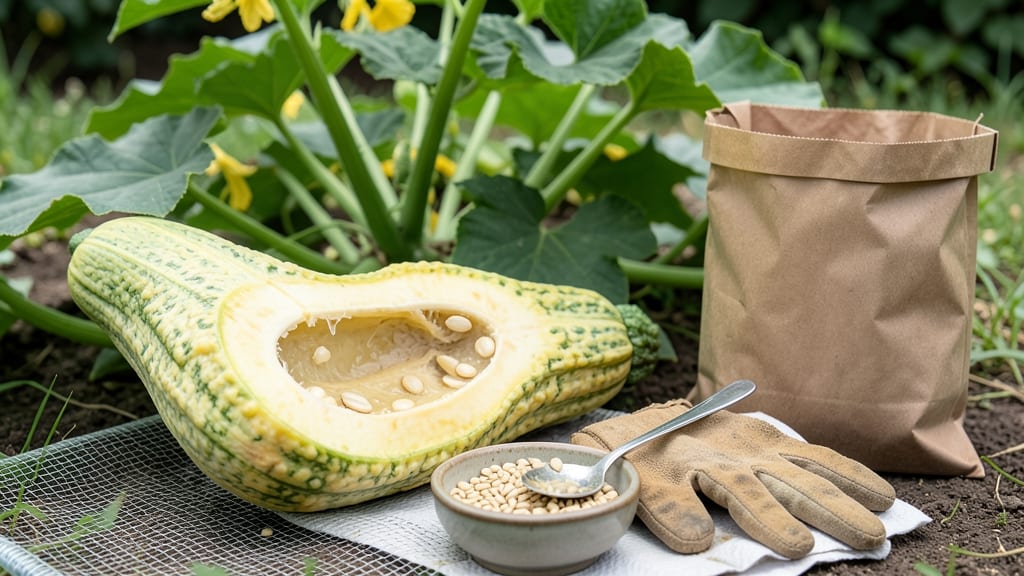
Harvesting zucchini seeds 🎃 lets you grow your own plants for free next season—and it’s easier than you think.
Did you know you can save seeds from your zucchini harvest to grow next year’s plants—completely free? By mastering the art of harvesting zucchini seeds, you’ll slash grocery costs and ensure heirloom-quality produce tailored to your garden’s climate.
Most gardeners stop at the fruit, but those wrinkled, overripe zucchini hiding in the back of the garden are actually your ticket to next year’s harvest.
The key is knowing exactly when to collect the seeds, how to clean them properly, and how to store them so they stay viable for planting.
In this guide, I’ll walk you through every step—from picking the right zucchini to drying and storing seeds for maximum germination. You’ll also learn the 5 biggest mistakes that ruin seeds (and how to avoid them).
When and how to harvest zucchini seeds from ripe fruit
Saving zucchini seeds from your garden is one of the easiest ways to ensure next year’s harvest thrives with heirloom-quality plants. The key lies in knowing exactly when to harvest and how to extract seeds properly. If you pick too early, the seeds won’t be viable.
If you wait too long, the fruit may rot or attract pests. Timing is everything, and I’ll walk you through the 75-90 day window after planting when your zucchini is ready to donate seeds.
First, identify zucchini that have reached their peak maturity. Look for fruit that’s overripe—think wrinkled skin, a duller green color, and a slightly mushy texture when pressed. These are the ones packed with fully developed seeds.
Avoid harvesting seeds from store-bought zucchini, as they’re often hybrid varieties that won’t produce true-to-type plants. Stick to your own garden-grown fruit for the best results.
Once you’ve identified your seed-saver zucchini, the next step is extraction. Use a sharp knife to cut the fruit open lengthwise and scoop out the seeds along with the surrounding pulp. Place this mixture in a bowl and rinse it under cool water to remove any remaining fruit flesh.
This step is crucial because leftover pulp can cause mold during drying. I recommend using a fine-mesh strainer to separate the seeds from the water.
After rinsing, the real magic happens during fermentation. Place the seeds and pulp in a clean jar, cover it loosely, and let it sit at room temperature for 2-3 days. This process allows the pulp to ferment, which helps separate viable seeds from non-viable ones.
By the end of this time, you’ll notice some seeds floating to the top—these are the ones to discard, as they won’t germinate. The good seeds will sink to the bottom of the jar.
Once fermentation is complete, carefully scoop out the settled seeds and rinse them one last time to remove any remaining pulp. Spread the seeds on a paper towel or clean screen in a warm, dry location.
Keep them out of direct sunlight to prevent overheating, which can reduce viability. Stir them gently every day to ensure even drying. Within 3-5 days, your seeds should be completely dry and ready for storage.
One common mistake I see gardeners make is harvesting seeds from zucchini that’s still firm and green. These seeds won’t be fully developed, leading to poor germination rates. Another pitfall is drying the seeds too quickly or in high humidity, which can cause mold.
Always prioritize a slow, consistent drying process at a temperature around 70°F for best results.
Once your seeds are dry and crisp, store them in a paper envelope or small airtight container. Label the container with the variety name and the year harvested. Place it in a cool, dark location, like a pantry or seed storage box.
Properly stored seeds can remain viable for 3-5 years, though I recommend using them within 1-2 years for the best germination rates.
With these steps, you’ll have a stash of zucchini seeds ready to plant next spring, ensuring your garden continues to produce bountiful harvests year after year. There’s nothing quite like the satisfaction of growing plants from seeds you saved yourself—it’s a true gardener’s reward! 🌱
Cleaning, drying, and storing zucchini seeds for maximum germination
Once you’ve harvested those overripe zucchini, the real work begins—preparing the seeds for next season. Properly cleaning and drying zucchini seeds is critical to ensuring high germination rates. Skipping these steps can leave you with moldy, non-viable seeds that won’t sprout.
The process involves fermenting the seeds to remove pulp, thorough drying, and storing them in ideal conditions.
Fermenting seeds is the first step to remove the gel-like pulp that surrounds them. This natural process also helps eliminate any pathogens that could harm your future plants. After fermentation, you’ll need to dry the seeds completely to prevent mold growth.
Aim for a 2-3 week drying period at 70°F (21°C) with good airflow. Proper storage in airtight containers keeps them viable for up to 5 years.
| Method | Fermentation Time | Drying Time | Storage Life |
|---|---|---|---|
| Water Fermentation | 3-5 days | 2-3 weeks | 3-5 years |
| Paper Towel Method | 1-2 days | 1-2 weeks | 1-3 years |
| Sun-Drying | N/A | 1-2 weeks | 1-2 years |
The water fermentation method is my preferred approach because it’s simple and effective. Simply place the seeds and pulp in a jar of water, stir daily, and let it ferment for 3-5 days. The good seeds will sink to the bottom while the bad ones float.
After fermentation, rinse the seeds thoroughly and spread them on a paper towel or screen to dry in a warm, dry place.
For drying, avoid direct sunlight, which can overheat the seeds and reduce viability. Instead, use a well-ventilated area with consistent temperatures around 70°F (21°C). Stir the seeds occasionally to ensure even drying.
Once completely dry, they should feel hard and papery to the touch. Store them in airtight containers like glass jars or envelopes, and keep them in a cool, dark place to maintain viability.
Before planting, always test your seeds for viability by placing a few in a damp paper towel and checking for sprouts within 7-10 days. This simple test saves you from planting non-viable seeds and ensures a successful harvest next season.
With proper care, your saved zucchini seeds can give you 90%+ germination rates, making it well worth the effort! 🌱