
Vegetables
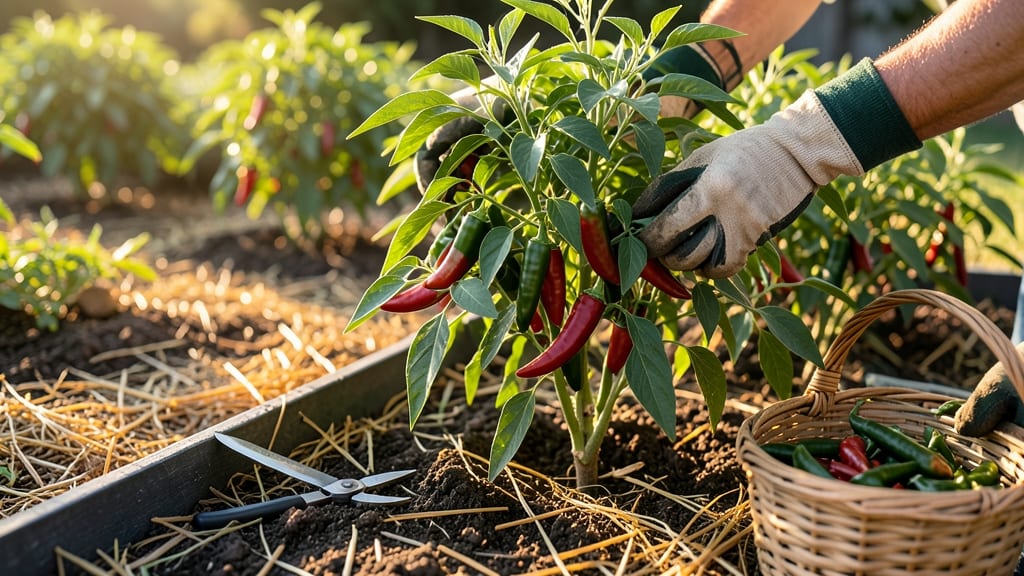
Timing the Hatch chile harvest season right means capturing their signature smoky heat and sweet depth—July through October is when these 🌶️ gems reach their peak in most growing zones.
Picture this: your plants are heavy with glossy red pods, the air smells like a New Mexico roastery, and you’re just days away from the perfect harvest. But miss the window, and you’ll either end up with underripe peppers that lack flavor or overripe ones that turn mealy.
The difference between a stellar crop and a disappointment comes down to knowing exactly when to pick.
In this guide, I’ll walk you through the ideal harvest timeline for Hatch chiles, how climate affects ripening, and the telltale signs that your pods are ready to be picked, dried, or turned into salsa.
Whether you’re growing in New Mexico’s high desert or a cooler Zone 6 garden, these tips will help you maximize heat and storage life.
You’ll also discover how to test ripeness like a pro, adjust for early or late seasons, and preserve your harvest so the smoky, sweet flavor lasts all winter. No more guessing—just perfect, fiery peppers every time.

Hatch chile harvest season timeline: when to pick for peak heat & flavor
Timing your Hatch chile harvest is an art that balances flavor intensity and heat development. These iconic peppers mature through distinct stages—green, red, and black—each offering unique spice profiles.
In New Mexico’s native climate, harvests typically peak between late August and October, but cooler growing zones may extend this window by 2-3 weeks. Understanding these stages helps you capture the perfect moment when capsaicin levels and smoky sweetness reach their peak.
For gardeners outside Zone 7-9 (like New Mexico), adjust your timeline by 10-14 days per zone cooler. For example, in Zone 5-6, harvests may start as early as mid-July for early varieties or drag into November if fall temperatures stay mild.
The key is monitoring pod color, firmness, and stem separation—not just calendar dates.
The heat level of Hatch chiles evolves dramatically as they ripen. Green pods (harvested early) pack mild, grassy notes with minimal capsaicin, while red pods deliver that signature smoky-sweet heat at 5,000-10,000 SHU.
Push them further to black pods, and you’ll unlock intense heat (15,000-30,000 SHU), though flavor complexity often declines. For balanced heat and flavor, aim to harvest when pods are fully deep red and glossy.
In New Mexico’s high desert climate, Hatch chiles thrive with long, dry heat and low humidity, which accelerates
How to test Hatch chile ripeness: 3 pro tips for perfect harvest timing
Knowing exactly when to harvest your Hatch chiles transforms a guess into a guaranteed bounty. Unlike many vegetables, chiles don’t just ripen by size—they develop complex flavors and heat levels that change dramatically as they mature.
I’ve learned the hard way that harvesting too early means bland, underripe pods, while waiting too long can turn your prized Big Jim or Sandia chiles into mealy, overripe disappointments.
The key lies in three simple but often overlooked tests: color accuracy, stem separation, and heat intensity. These methods work for all Hatch varieties, whether you’re growing them in New Mexico’s high desert or a suburban backyard.
Let’s break down each test so you can pick your chiles at their peak—ready for roasting, drying, or fresh eating.
🌶️ 3 Pro Tips for Testing Hatch Chile Ripeness
- 🔴 Color Chart Test: Use a Hatch chile color guide—deep red (for red varieties) or black (for black Hatch) means peak ripeness. Green or patchy colors? Not ready yet.
- ✂️ Stem Snap Test: Gently twist a pod at the stem. If it snaps cleanly (not tears), it’s ready. A stubborn stem means wait 2-3 days.
- 🌡️ Heat Intensity Check: Cut open a pod and taste! Fully ripe chiles have a balanced sweet-spicy kick. Underripe ones taste grassy or bland.
One mistake I see gardeners make is relying only on color. A chile might look red but still taste underripe if it didn’t get enough sun or water. That’s why I always combine the stem snap test with a quick taste check.
For example, my NuMex chiles often ripen faster in late summer heat, so I test them every 2 days to avoid overripening.
Climate plays a huge role in ripening speed. In New Mexico’s high desert, Hatch chiles mature quickly in July’s heat, while cooler coastal areas might need an extra week.
Adjust your tests accordingly—if your chiles are ripening faster than expected, harvest more frequently. If they’re lagging, check for adequate sunlight (6+ hours daily) and consistent watering.
Pro tip: Harvest in the morning when chiles are cool and firm. Use sharp pruning shears to avoid damaging the plant. Store freshly picked chiles in a paper bag in the fridge for up to 2 weeks, or process them immediately for long-term storage.
The sooner you preserve them, the better they’ll retain their smoky, sweet heat.
Don’t let perfectionism slow you down—once your chiles pass these three tests, they’re ready for the kitchen (or pantry!). The right harvest timing ensures you’ll enjoy that Hatch chile magic all season long. 🌱