
How To
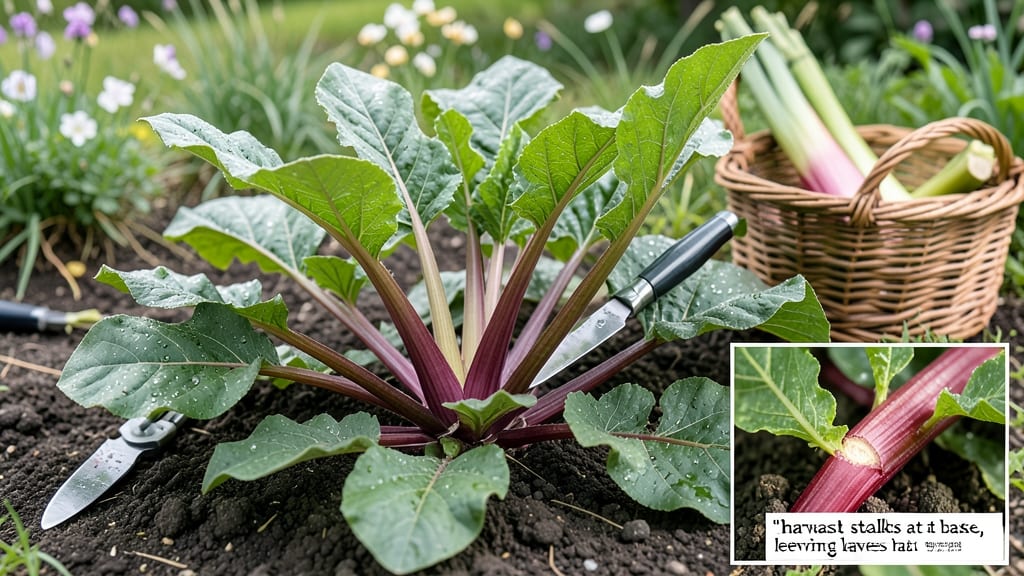
Harvesting rhubarb at the right time and in the right way unlocks that signature tart-sweet flavor 🌱—and doing it wrong can leave you with bland, stringy stalks that barely taste like the real deal.
If you’ve ever wondered why your rhubarb tastes bland or mealy, timing your harvest could be the key—picking too early or too late ruins that signature tangy sweetness gardeners love.
Rhubarb’s peak harvest window runs from late spring to early summer, but the real secret lies in stalk color and size. Deep red or pink stems with a diameter of at least ½ inch are prime, while green or thin stalks mean you’re harvesting too soon.
Below, I’ll walk you through the exact how and when to harvest for maximum flavor, plus the step-by-step cutting techniques that keep your rhubarb plant thriving for years.

Rhubarb stem color and size: the exact harvesting guide for maximum tartness
Harvesting rhubarb at the right stage transforms your garden into a tartness treasure trove. The key lies in two simple visual cues: stem color and diameter.
Ignore these, and you’ll end up with bland, fibrous stalks that scream "beginner mistake." Let’s decode what your rhubarb is really telling you before you cut.
Most gardeners focus on red or pink stems, but green varieties like ‘Victoria’ have their own perfect moment. The color shift from green to pink/red signals higher anthocyanin levels, which boosts that prized tangy sweetness.
But here’s the secret: even green rhubarb can be delicious—if you harvest it at the right thickness and length.
⚠️ NON-NEGOTIABLE: Never harvest stems thinner than ½ inch in diameter. These underdeveloped stalks are tough, woody, and lack the juicy texture you crave. Think of it like waiting for a tomato to ripen—patience pays off in flavor.
Your rhubarb’s harvest window opens when stalks reach 8–10 inches long and snap cleanly when bent (not bendy like celery). This is your green light to harvest. Miss this window, and you’ll either get mealy texture (overripe) or bitter notes (underripe).
📊 SUMMARY-TABLE:
| Stage | Stem Color | Ideal Diameter | Flavor Profile | Harvest Window | Warning Signs |
|---|---|---|---|---|---|
| Early Spring | Green (green varieties) or Pale Pink | ½–¾ inch | Mild, slightly tart | March–April (Zone 6a) | Thin, rubbery stalks |
| Peak Season | Deep Red/Pink or Bright Green | ¾–1½ inches | Balanced tart-sweet | May–June | Soft, hollow stems |
| Late Season | Dull Green or Fading Red | >1½ inches | Bland, woody | July–August | Hollow centers |
Did you know green rhubarb often tastes sweeter than red? Varieties like ‘Green Stem’ or ‘Victoria’ pack more natural sugars when harvested at ¾-inch diameter. The red/pink hues in ‘Cherry’ or ‘Strawberry’ varieties signal peak tartness—but only if the stalks are firm and crisp.
Run your thumb along a stalk: if it leaves a white streak, it’s ready.
First-year rhubarb is a special case. Never harvest the first year—let it establish roots. Even in year two, limit yourself to 2–3 stalks to avoid weakening the crown. Think of it like training for a marathon: your plant needs time to build endurance before you ask for peak performance.
Environmental stress turns rhubarb bitter faster than you’d think. Drought or heatwaves force early harvests, but the flavor suffers. If your stalks turn pale or hollow, it’s a cry for help—either water deeply or harvest immediately before the plant shuts down.
Mulching with straw keeps roots cool and extends your harvest window by 2–3 weeks.
Pro tip: Harvest in the morning when acids are at their lowest. This gives you the brightest flavor and crispest texture. Afternoon heat makes rhubarb softer and more watery, even if the color looks perfect.
Time your cuts like you’re planning a garden party—aim for 6–9 AM for the best results.
Overharvesting is the #1 enemy of long-term rhubarb success. If you take more than ⅓ of the stalks in a season, you’ll stunt next year’s growth. Leave at least 6–8 stalks to photosynthesize, or your plant will bolt (send up flower stalks) and quit producing edible stems entirely.
It’s a tough love lesson: be greedy now, and you’ll regret it later.
Even experienced gardeners make one critical mistake: cutting too close to the crown. Always leave 1–2 inches of stem attached to protect the growing point. Use a sharp knife or pruners at a 45-degree angle to minimize damage.
This small detail keeps your rhubarb productive for decades—some plants live for 20+ years with proper care!
Step-by-step rhubarb harvesting process: when and how to cut for long-term plant health
Timing your rhubarb harvest isn’t just about getting the sweetest stalks—it’s about preserving your plant’s health for years to come. The best harvest window spans from late spring to early summer, but within that, morning harvests yield the crispest, most flavorful stems.
Avoid cutting after rain or in extreme heat, as this can stress the plant and reduce quality.
When harvesting, focus on mature stalks that are at least ½–1 inch in diameter and show vibrant red or pink hues (for red varieties) or deep green (for green varieties).
These visual cues indicate peak flavor and texture. Green stems are bitter, while overripe stalks become woody and tough—both are telltale signs you’ve missed the sweet spot.
How to Harvest Rhubarb for Long-Term Productivity
- 1 Best Time of Day: Harvest in the cool morning hours (before 10 AM) when stems are firm and hydrated. Avoid harvesting after midday heat, as stems can wilt quickly.
- 2 Tools and Technique: Use a sharp knife or pruners to cut stalks at a 45-degree angle, leaving 1–2 inches of stem attached to the crown. Never pull stalks—this damages the plant’s root system.
-
3
Seasonal Harvesting Schedule:
- Spring: Begin harvesting in late May once stalks reach 8–10 inches and show color.
- Summer: Continue through June–July, but reduce harvests after mid-July to allow the plant to store energy for next year.
- Fall: Stop harvesting 2–3 weeks before first frost to prevent crown damage.
- 4 Post-Harvest Care: After cutting, remove any seed stalks (the thin, wiry stems) to redirect the plant’s energy to leaf production. Mulch around the base with 2–3 inches of organic mulch to retain moisture and protect the crown.
First-year rhubarb plants should never be harvested—they need all their energy to establish a strong root system. Wait until year two before cutting any stalks, and even then, limit harvests to 2–3 stalks per plant to avoid weakening the crown.
Over-harvesting in the first few years can stunt growth and reduce future yields.
To extend your rhubarb’s productivity, space out harvests rather than taking everything at once. Aim to harvest no more than one-third of the stalks at any given time, and always prioritize the thickest, most mature stalks.
This ensures your plant remains healthy and continues producing tart, flavorful rhubarb for decades.
Proper harvesting isn’t just about the immediate reward—it’s an investment in your rhubarb’s future. By following these steps, you’ll enjoy bountiful harvests year after year, with stalks that are crisp, sweet, and packed with that signature tang we all love. 🌱✂️