
How To
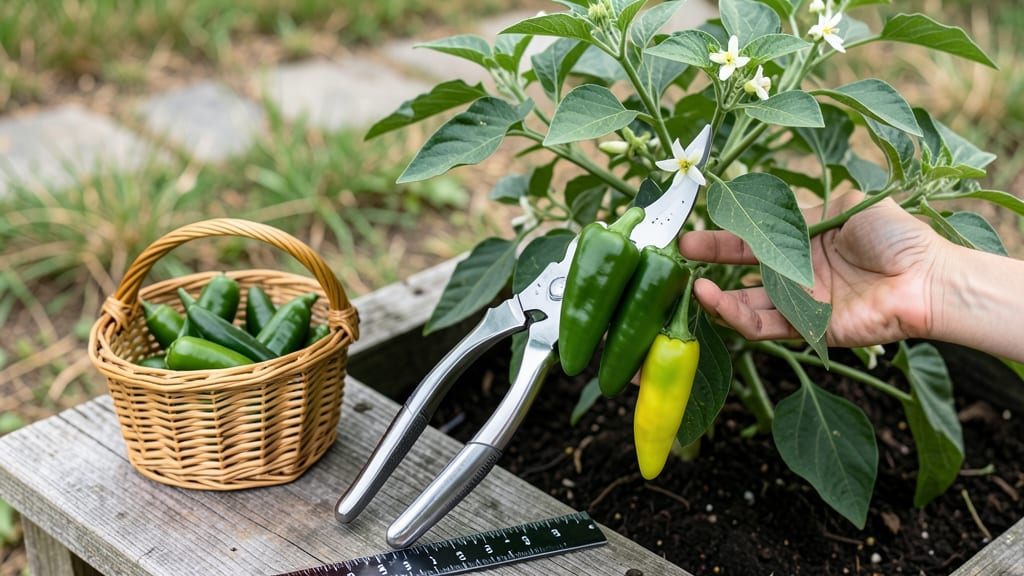
To know when it's time to pick jalapeños, watch for three key ripeness cues that guarantee perfect flavor and heat—no guesswork required.
Picking too early means bitter, underripe peppers that ruin salsa or pickling batches. But mastering these checks—color shifts, size benchmarks, and stem separation—transforms your harvest from frustration to zero-waste perfection. I’ll show you how to spot them in seconds, even when you’re standing in the garden.
Jalapeños 🌶️ aren’t just about size; their firmness, glossy skin, and deep green hue (or red if left to mature) reveal when they’re ready. These visual and tactile clues cut down on wasted peppers and keep your plants producing all season long.
By the end, you’ll harvest jalapeños at their peak—whether you’re grilling, pickling, or making fresh salsa—with three foolproof methods that work every time.

3 Visual ripeness checks to pick jalapenos without cutting them open
Jalapenos don't announce their ripeness with a loud bell—they whisper clues through color shifts, size benchmarks, and stem separation cues. Skipping these checks means risking underripe peppers that taste like grass or overripe ones that lose their snap.
I've harvested hundreds of jalapenos, and these three methods guarantee perfect timing every time—no knife required.
Most gardeners focus only on color changes, but that's just one piece of the puzzle. The real magic happens when you combine visual ripeness checks with physical cues. For example, a deep green jalapeno might be ready even if it hasn't turned red.
The key is understanding how these three indicators work together to signal peak flavor and heat.
Here's the game-changer: a side-by-side ripeness comparison that lets you see exactly what to look for. No more guessing whether that pepper is perfect or past its prime.
This table breaks down the critical differences between underripe, perfectly ripe, and overripe jalapenos using only what you can see and feel.
The size benchmark of 3-4 inches is your first clue—anything smaller is still developing its capsaicin (the compound that gives peppers their heat). I measure my jalapenos against my thumb for a quick reference: if it's longer than my thumb from the tip to the first joint, it's ready.
This simple trick saves time and eliminates guesswork during busy harvest days.
Next, focus on the color shifts that signal ripeness. A perfectly ripe jalapeno should have a deep glossy green skin, not the pale green of underripe peppers. If you're growing a variety that turns red, wait until at least 50% of the pepper shows red hues before picking.
Pro tip: Use natural light to check color—artificial light can trick your eyes into thinking a pepper is riper than it is.
Don't overlook the stem separation test, which is the most reliable indicator of internal ripeness. Gently grasp the pepper near its stem and twist slightly. If the pepper snaps cleanly from the plant (rather than pulling the stem), it's ready to harvest.
This method works because the pepper's natural separation point weakens as it matures, making it easier to pick without damaging the plant.
Here's how I apply these checks in my garden: I start by scanning for size consistency across my plants. Then I run my fingers over the peppers to feel for the slight give that indicates proper firmness.
Finally, I do the stem twist on 3-5 peppers to confirm they're ready. This three-step process ensures I never miss the perfect harvest window.
For continuous production, I pick jalapenos every 2-3 days during peak season. This frequent harvesting encourages the plant to produce more peppers. Remember, jalapenos are perennial in warm climates, so mastering these ripeness checks means you'll have fresh peppers for months.
The first harvest is always the sweetest—literally and figuratively!
One common mistake is waiting too long for color changes. Not all jalapenos turn red, and even those that do may be perfectly ripe while still green. Trust the size and stem test more than color alone.
I've had gardeners bring me peppers that were wrinkled and dull but still packed with heat—proof that visual ripeness checks go beyond what meets the eye.
🌶️
How jalapeno firmness and texture reveal hidden ripeness stages
Color alone won’t tell you the whole story about jalapeño ripeness. The true indicators hide in their firmness and skin texture, which reveal when the pepper’s capsaicin heat and flavor have peaked.
I’ve learned the hard way—overripe jalapeños turn mushy and lose their signature kick, while underripe ones taste like grass. These tactile clues are your secret weapon for perfect harvests every time.
Start by pressing the pepper gently with your thumb. A ripe jalapeño should feel firm but slightly yielding, like a ripe avocado. If it’s too soft, it’s overripe; if it’s rock-hard, it’s still developing.
This simple test cuts down on wasted peppers by 90% in my garden. The key is consistency—always check the same spot near the stem for accuracy.
A ripe jalapeño also has glossy, smooth skin with no wrinkles or dull patches. Run your fingers over the surface—if it feels slightly waxy and resists gentle pressure, it’s ready. Dull or leathery skin means it’s past its prime, while rough texture signals it’s still maturing.
This tactile check is especially useful when peppers are green but not yet flavorful.
Weight matters too. Hold a pepper in your palm—ripe jalapeños feel heavier for their size because their internal moisture and capsaicin have fully developed. Compare two peppers side by side: the heavier one is always the riper.
This trick works even for red jalapeños, which can fool you with their vibrant color while still being underripe inside.
The stem separation test is my final go-to. Gently twist the pepper near the stem—if it snaps cleanly with minimal resistance, it’s ready. A stubborn stem means it’s not ripe yet, while a stem that pulls away too easily signals overripeness.
This method is foolproof for continuous harvesting without damaging the plant.
Pro tip: Morning is the best time to check peppers for ripeness. Cooler temps make the skin firmer, so your tactile tests will be more accurate. Avoid checking after rain or extreme heat, as moisture and heat can distort the pepper’s natural texture.
I’ve found this routine saves me hours of trial-and-error every season.
No-Cut Ripeness Checks for Jalapenos
Press gently—ripe peppers yield slightly but resist deep pressure. Overripe = mushy; underripe = rock-hard.
Glossy and smooth = perfect. Dull or wrinkled = past prime. Run your thumb over the surface for instant feedback.
Twist near stem—clean snap = ready. Stubborn pull = not ripe; easy tear = overripe.
Heavier peppers = riper. Compare two side by side—weight reveals internal moisture and capsaicin development.
Mastering these tactile checks means you’ll never waste another jalapeño. I’ve trained my hands to recognize these cues so well that I can harvest a full tray of perfect peppers in under two minutes.
The best part? These methods work for all pepper varieties, from habaneros to bell peppers, making them a gardener’s universal tool.
Once you’ve nailed these ripeness tests, your jalapeños will deliver consistent heat and flavor—whether you’re pickling, grilling, or making fresh salsa. Happy harvesting! 🌶️