
How To
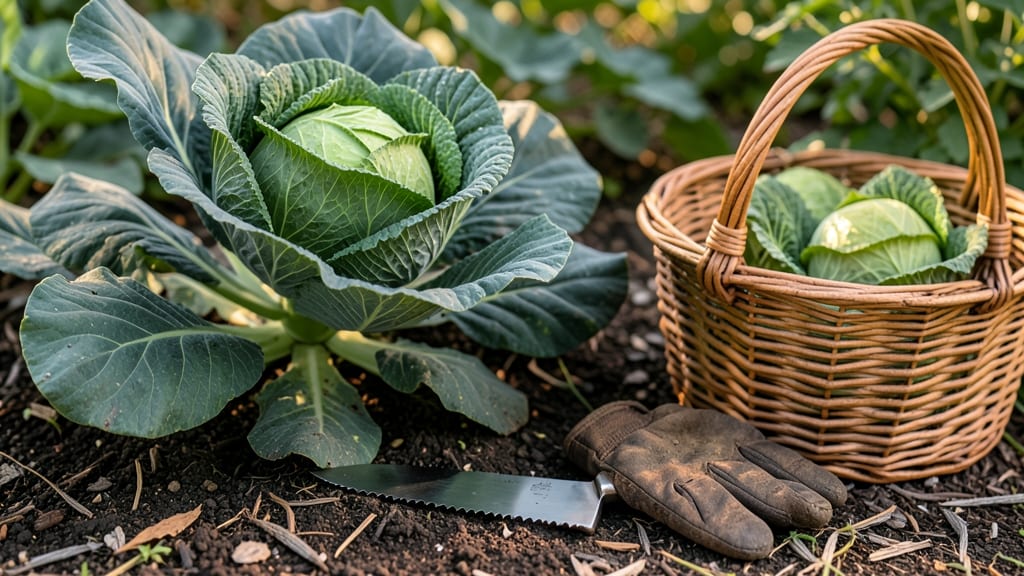
Knowing when to harvest cabbage means catching it at the peak of flavor and texture—before it splits or bolts into a bitter mess.
Picture this: you’ve nurtured your 🥬 for months, and now the moment of truth arrives. One wrong move, and you’re left with a head that’s either too loose or too tough.
The good news? There’s a science to it—firmness, color, and even the way the leaves wrap around the head all signal readiness.
In this guide, I’ll walk you through the key visual cues—like a tight, compact shape and vibrant leaf color—that tell you it’s time to pick. You’ll also learn how temperature and day length play a role, so you’re never left guessing whether your cabbage is ready or still maturing.
Master these tricks, and you’ll harvest cabbage at its sweetest, store it longer, and even coax a second crop from some varieties. Ready to avoid the common mistakes and enjoy crisp, homegrown perfection?

Cabbage head shape and size: the ultimate harvest readiness checklist
Knowing when to harvest cabbage isn't just about waiting for a certain number of days—it's about recognizing the perfect head shape and firmness that signals peak flavor and storage potential. Each cabbage variety has its own ideal size and compactness that tells you it's time to harvest.
Miss this window, and you risk a bitter, loose head that's past its prime.
For green cabbage varieties like 'Golden Acre' or 'Early Jersey Wakefield', the head should be solid and round, with leaves tightly wrapped around the core. The diameter should reach 6-8 inches—about the size of a dinner plate—before you pull it.
If the head feels spongy or starts splitting, you've waited too long.
| Variety | Ideal Head Size | Shape | Firmness Test | Harvest Days |
|---|---|---|---|---|
| Green Cabbage (e.g., 'Golden Acre') | 6-8 inches | Solid, round | Stem snaps cleanly | 70-85 days |
| Red Cabbage (e.g., 'Ruby Perfection') | 5-7 inches | Compact, slightly pointed | Leaves resist gentle pull | 65-75 days |
| Savoy Cabbage (e.g., 'January King') | 8-12 inches | Loose, wrinkled head | Core feels dense | 80-100 days |
| Dwarf Cabbage (e.g., 'Miniature Green') | 3-5 inches | Miniature, round | Stem bends, not snaps | 50-60 days |
Red cabbage like 'Ruby Perfection' has a slightly different harvest readiness signal—look for a deep purple hue and a head that's slightly pointed at the top. The leaves should be tightly wrapped but still plump and glossy. If the color fades or the head starts splitting, it's past its prime. These varieties often mature faster, so check them 2-3 weeks earlier than green cabbage.
Savoy cabbage, like 'January King', stands out with its wrinkled leaves and larger loose heads. The ideal size is 8-12 inches wide, but the real test is the density of the core.
Press your thumb into the center—if it feels firm and resists slightly, it's ready. Savoy cabbage stores longer than smooth-leaf varieties, so don't rush the harvest unless the outer leaves start yellowing.
One of the easiest harvest readiness tests is the stem snap test. Gently twist the stem near the base—if it snaps cleanly with a slight resistance, the head is ready.
If the stem bends or pulls out with the leaves, it's not mature enough. This test works for all varieties but is especially reliable for green and red cabbage.
Overlooking the head shape can lead to missed harvests. For example, 'Early Jersey Wakefield' should have a perfectly round head, while 'Red Express' might have a slightly elongated shape.
If the head starts to loosen or split, it's a clear sign you've waited too long. In this case, harvest immediately—even if it's not perfect—to avoid pests or rot.
For storage potential, prioritize heads that are firm, compact, and free of cracks. A slightly smaller head that meets these criteria will store better in your root cellar than a large, loose one.
After harvesting, trim the outer leaves and store in a cool, humid environment (around 32-40°F) to extend freshness for months.
If you're growing cabbage for regrowth (like with 'Dinosaur' kale-cabbage hybrids), leave the outer leaves attached and harvest only the inner stem. This allows the plant to produce more leaves.
However, for traditional cabbage, always cut the entire head at the base to encourage a cleaner second harvest if the variety supports it.
Remember, harvest timing affects flavor. Cabbage picked at the right moment is crisp, sweet, and tender, while overmature heads become woody, bitter, and tough. Keep an eye on your plants, and don't hesitate to check heads every 2-
Leaf color and texture clues: why green isn’t always ready
Your cabbage’s leaf color and texture are like its personal readiness report—ignoring them means missing the perfect harvest window. A deep, vibrant green isn’t always a green light. For example, red cabbage should turn a rich, even crimson, while savoy varieties develop crinkled, blue-green leaves.
Pay attention: dull or yellowing edges often signal it’s past its prime.
Texture is equally telling. Glossy leaves typically mean healthy growth, but a sudden shift to dull or waxy surfaces can indicate stress—whether from overmaturity, pests, or temperature swings.
Even the way leaves wrap tightly around the head is a clue: loose or spreading leaves mean it’s not ready yet. These visual cues are your shortcut to avoiding bitter, tough cabbage.
⚠️ callout warning ⚠️
🚨 Yellow or Brown Edges = Too Late!
If your cabbage leaves develop yellowing or brown edges, it’s already overmature. These signs mean the head has started breaking down—flavor turns bitter, and texture becomes tough. Harvest immediately if you see this, even if the core looks firm. Pests (like cabbage worms) can also cause similar damage, so inspect leaves closely for holes or chewed edges.
Don’t overlook leaf color shifts tied to temperature. In hot weather, cabbage may bolt prematurely, sending up a flower stalk and leaving you with bitter leaves.
Watch for purple tinges in green varieties—a classic heat stress signal. Conversely, pale or washed-out leaves often mean it’s not getting enough sunlight or nutrients, delaying harvest readiness.
Texture changes also reveal pest pressure. Holey leaves or sticky residue (aphids’ calling card) mean your cabbage is under attack. If pests go unchecked, the head may split or rot before reaching full size.
Regularly inspect undersides of leaves—early intervention can save your harvest. A healthy cabbage should feel firm and crisp, not spongy or slimy.
Pro tip: Twist-test your cabbage’s stem. A ready head will snap cleanly when gently twisted at the base, while an unripe one will resist. Combine this with leaf color and texture checks for foolproof timing.
For storage varieties, prioritize compact heads with tightly wrapped leaves—these keep best in the fridge or root cellar.
Remember, green isn’t always ready—it’s just the starting point. Trust your eyes for color vibrancy, your fingers for firmness, and your nose for freshness. When all three align, you’ve got a winner. Now go harvest that perfectly timed cabbage before it’s too late! 🥬