
How To
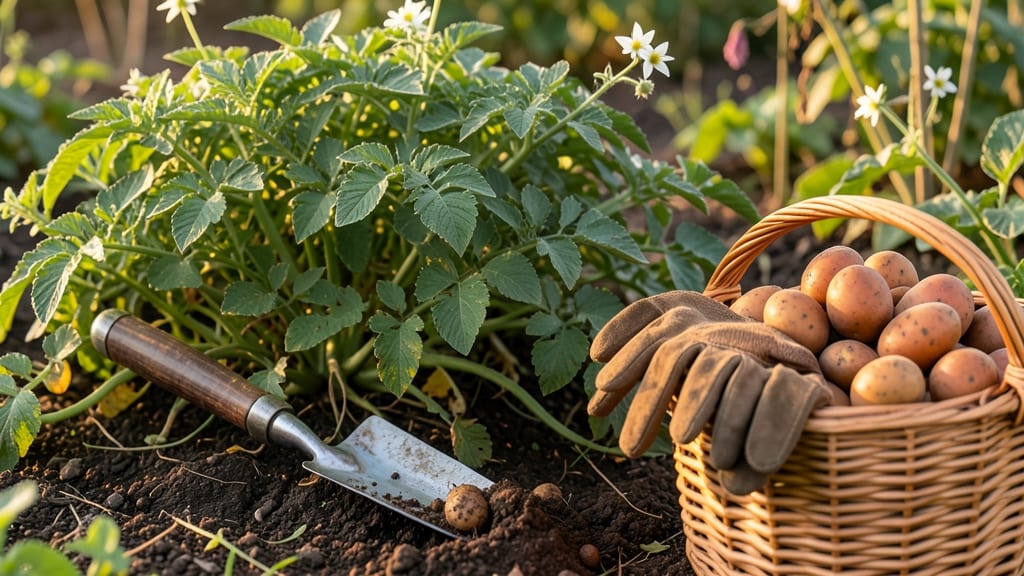
Harvesting potatoes at the right time ensures tender, flavorful tubers instead of tough, starchy disappointments—and the exact days depend on your variety.
Picture this: you’ve spent weeks nurturing your 🥔 crop, only to dig up a pile of mealy, underdeveloped potatoes—or worse, miss the window entirely and lose your harvest to rotting in the soil. The difference between success and frustration often comes down to knowing when to pull them.
Most potato varieties take between 70 and 120 days to mature, but early harvests (like new potatoes) can happen as soon as 50 days if you’re patient enough to check the soil.
The key is watching for yellowing foliage, skin that resists a gentle squeeze, and tubers that feel firm to the touch.
In this guide, I’ll break down the exact harvest windows by variety, share foolproof signs to pull them at peak flavor, and reveal the one mistake that turns perfect potatoes into garden flops.

Potato harvest timing by variety: days to maturity guide
Harvesting potatoes at the right time ensures you enjoy their peak flavor and texture. Each variety matures differently, so knowing your days to maturity and harvest indicators is key.
Early varieties like Red Norland can be ready in as little as 70 days, while late varieties like Russet Burbank need up to 120 days. The difference between a tender, flavorful potato and a tough, starchy one often comes down to timing.
For most gardeners, the best way to determine harvest readiness is by watching for foliage changes and skin toughness. When the plant tops start yellowing and dying back, it’s a clear sign that the tubers below are ready.
Additionally, if the skin resists pressure from your thumbnail, it’s a good indicator that the potato is fully mature. Ignoring these signs can lead to overripe potatoes that spoil quickly or underripe ones that lack flavor.
Below is a detailed breakdown of common potato varieties and their ideal harvest windows. Use this as your guide to plan when to dig up your spuds for the best results. Remember, these timelines are approximate and can vary slightly based on your climate and growing conditions.
| Variety | Type | Days to Maturity | Harvest Indicator | Best For |
|---|---|---|---|---|
| Red Norland | Early | 70-80 days | Foliage yellows, skin toughens | Baking, boiling |
| Yukon Gold | Mid-season | 85-95 days | Flowers appear, tops die back | Mashing, roasting |
| Kennebec | Mid-season | 90-100 days | Skin resists thumbnail, tops yellow | Frying, storage |
| Russet Burbank | Late | 110-120 days | Tops fully dead, skin tough | Baking, long-term storage |
| Fingerling (e.g., Purple Peruvian) | Early to Mid | 70-90 days | Small tubers form, tops yellow | Salads, roasting |
| Sweet Potato (not true potato) | Late | 90-110 days | Foliage yellows, skin hardens | Baking, storage |
If you’re growing new potatoes, you can harvest them earlier than the full maturity date. These small, tender tubers form at the base of the plant and are ready to eat as soon as they reach about 1-2 inches in size.
To find them, gently brush away soil around the plant stems. New potatoes are best enjoyed fresh and don’t store well, so harvest them when they’re just the right size for your needs.
For storage potatoes, wait until the plant tops have completely died back. This usually happens a few weeks after the foliage starts yellowing. Once the tops are dead, allow the tubers to cure in the soil for a few more days to toughen their skins.
This curing process helps them store better for months. After curing, carefully dig up the potatoes and let them dry in a shady, well-ventilated area for a day or two before storing.
One of the biggest mistakes gardeners make is harvesting too early or too late. Harvesting too early results in small, underdeveloped tubers
When to harvest new potatoes vs. mature tubers: key differences
Harvesting potatoes at the wrong stage can ruin months of effort—new potatoes are tiny, tender treasures best pulled early, while mature tubers need full development for storage. The difference isn't just size; it's about flavor, texture, and even how you'll use them.
I've learned the hard way that digging too soon gives you shriveled nubs, while waiting too long means tough, stringy spuds. Let's break down the exact visual cues and timing for each.
For new potatoes, the magic happens as early as 50-60 days after planting, when tubers are still small (about 1-2 inches) and skinny. These are the buttery, waxy potatoes perfect for salads or roasting.
The key is to harvest them before the plant flowers—usually when the foliage is lush but you can spot pea-sized tubers just below the soil surface. I like to gently brush away dirt with my hands to check for readiness without damaging the plant.
The pros cons box below compares the two harvest types side-by-side, so you can see at a glance which method fits your needs—whether you're craving fresh new potatoes or planning to store your harvest for winter.
New Potatoes (Early Harvest)
- Tender, waxy texture
- Perfect for salads/roasting
- Harvest multiple times
- Small size (1-2 inches)
- Short storage life
- Requires frequent checking
Mature Tubers (Full Harvest)
- Larger, storable size
- Longer shelf life
- Firmer texture for baking
- Can become tough if overripe
- Requires proper curing
- Single harvest window
Mature potatoes are ready when the foliage yellows and dies back—this usually happens 90-120 days after planting, depending on your variety. The skin should resist gentle pressure from your thumbnail (like a ripe avocado), and the tubers should feel firm.
If you see green stem ends on your potatoes, they're not ready yet—this means they've been exposed to light and may taste bitter.
Here's my foolproof method for checking maturity: wait until half the plant's leaves have turned yellow, then dig up one tuber to test. If it's the size you want and the skin peels away easily, it's time to harvest the whole patch.
For storage varieties like Russets or Yukon Golds, I cure them in a dark, humid place for 5-7 days before storing to toughen the skin and prevent bruising.
Pro tip: If you're unsure whether to harvest new or mature potatoes, ask yourself what you'll use them for. Need quick, fresh potatoes for a dinner party? Go for the new ones.
Planning to store them through winter? Wait for full maturity. And remember—never harvest in wet soil to avoid disease, and always handle tubers gently to prevent bruising.