
How To
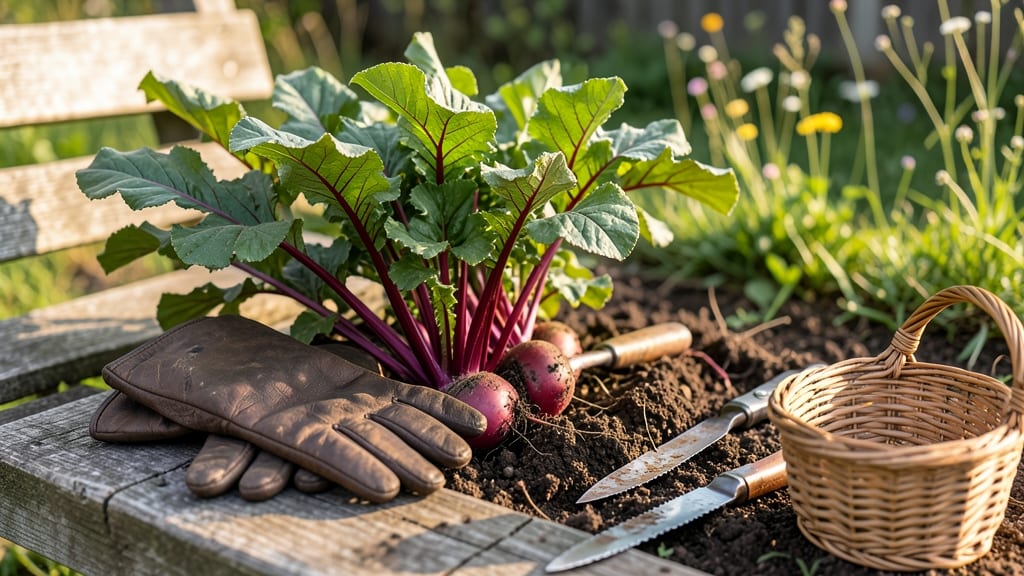
To harvest beets at their sweetest, aim for 50–70 days after planting 🥕 — but timing isn’t just about days, it’s about root size and soil warmth.
Wondering why your beets taste bitter or woody? Timing your harvest based on root size and soil temperature is the secret to sweet, tender beets every time.
Baby beets (thumb-sized) are ready in 30–40 days, while mature roots (baseball-sized) need 60–70 days. Cool soil slows growth, while heat can rush them to harvest—both affect flavor.
Below, I’ll break down the exact visual cues (leaf size, root firmness) and seasonal tips to pull beets at peak sweetness—no guesswork, just perfect harvests.

Beet harvest timing by root size: when to dig for sweetest flavor
If you've ever pulled a beet from the garden only to find it tough and bitter, you're not alone. The secret to sweet, tender beets lies in understanding root size and harvest timing.
Beets mature at different rates depending on whether you want baby beets or full-sized roots, and each size has its own flavor profile and storage potential.
For the best results, harvest beets when their roots reach your desired size and the soil temperature stays within the ideal range. Cool weather enhances sweetness, while hot conditions can make beets tough and woody.
Let's break down the perfect harvest windows by root size so you can enjoy beets at their peak flavor.
Thumb-sized beets are perfect for quick harvests and salads, offering a mild, slightly sweet flavor. These tiny roots mature in just 30–40 days, making them ideal for succession planting.
Their short shelf life means you'll want to enjoy them fresh or store them in the fridge for up to a week.
Baby beets, measuring 1"–2" in diameter, strike the perfect balance between tenderness and flavor. Harvest these at 45–55 days for a sweet, tender root that's perfect for roasting or steaming. They store well in the refrigerator for about 1–2 weeks, making them a great choice for regular garden harvests.
Standard-sized beets, the most common variety, reach 2"–3" in diameter and take 55–70 days to mature. These roots deliver a rich, earthy, sweet flavor and are ideal for long-term storage. When stored in a cool, dark place, they can last 2–3 months, making them perfect for winter meals.
For those who love a challenge, large beets can grow up to "baseball-sized" (3"+) and take 70–90 days to reach full maturity. These giants offer a deep, robust flavor and are perfect for curing and long-term storage.
With proper curing techniques, they can last 3–4 months, making them a true garden treasure.
To ensure the sweetest flavor, always harvest beets in cool weather. Beets develop more sugar when grown in temperatures between 50°F–70°F. If your garden experiences a heatwave, consider harvesting earlier or providing shade cloth to protect your plants from bolting.
When it's time to harvest, use a garden fork to loosen the soil around the roots, then gently pull them from the ground. Be sure to leave the greens attached until you're ready to store or cook the beets, as this helps preserve their moisture and flavor.
Once harvested, you can trim the greens and store the roots in a cool, dark place for maximum freshness.
Pro tip: If you're growing beets for both baby and mature harvests, consider planting them in succession every 2 weeks. This way, you'll have a steady supply of beets in different sizes throughout the growing season, ensuring you always have fresh, flavorful roots on hand.
How soil temperature affects beet harvest time and sweetness
Soil temperature is the hidden factor that determines whether your beets mature into sweet, tender roots or develop bitter, fibrous textures. Beets thrive in soil between 50°F and 85°F, with ideal growth occurring at 60°F–75°F.
Below this range, growth slows dramatically, while above 80°F, beets may bolt prematurely or develop woody centers.
Cold soil (below 50°F) delays maturation, stretching your harvest window by 10–20 days. Conversely, hot soil (>85°F) can rush beets to harvest in just 30–40 days, often sacrificing flavor. Understanding this balance is key to timing your harvest for maximum sweetness.
In spring, beets planted in 50°F soil may take 70–80 days to mature, while summer plantings in 75°F+ soil can reach harvest in just 45 days. To extend your harvest window, succession plant every 2–3 weeks in spring and fall, ensuring soil temps stay in the optimal range.
Heat stress above 85°F triggers bolting—the rapid flowering phase that turns beets bitter and stringy. If your garden hits 90°F+, prioritize harvesting baby beets (1-inch diameter) or use shade cloth to protect plants. Mulching with straw helps regulate soil temps and maintain moisture.
For the sweetest flavor, aim to harvest beets when soil temps are 60°F–75°F—this aligns with morning harvests in spring and fall. Avoid harvesting during midday heat, as roots can become stressed. Store freshly harvested beets in 32°F–40°F conditions to preserve sweetness for up to 2 weeks.
Pro tip: Use a soil thermometer to track temps weekly. If readings dip below 50°F for more than a week, delay thinning seedlings and expect a slower harvest. Conversely, if temps exceed 80°F, harvest smaller roots sooner to avoid bitterness.