
Picking
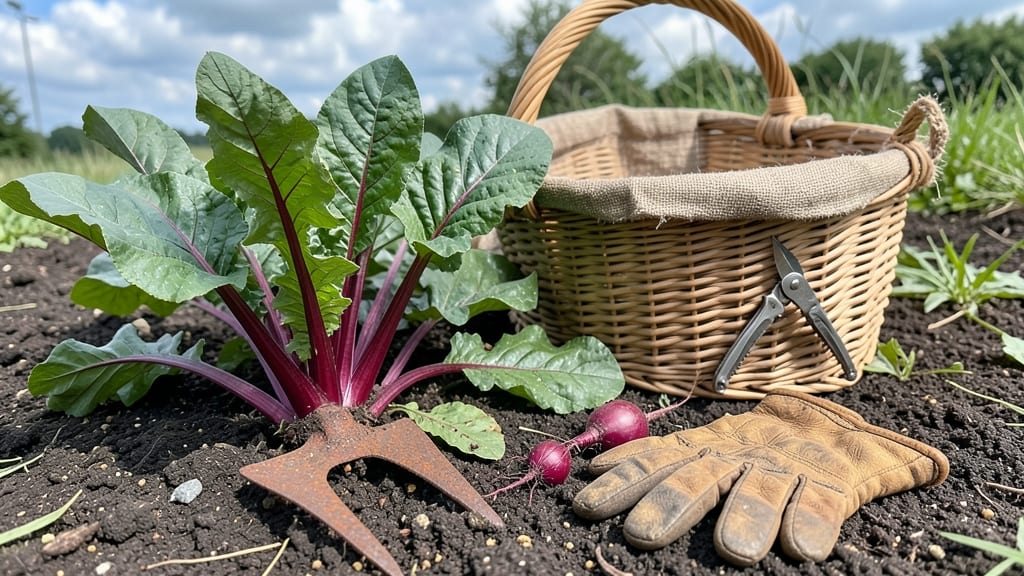
Harvest beets from your garden when roots reach 1-3 inches wide and leaves are 3-4 inches tall—that’s the sweet spot for tender, flavorful roots 🍠.
Miss that window, and you’re left with tough, woody beets that taste more like regret than earthy goodness. But timing it right isn’t just about size—soil warmth, frost risk, and even the variety play a role.
Below, I’ll walk you through three size-based tests to nail the perfect harvest, plus how to adjust for early spring or late fall planting in USDA Zone 6a.
You’ll also learn whether to harvest the greens first (and why it’s a game-changer) and how to store your beets so they stay sweet for weeks.

3 Size-based tests to determine perfect beet harvest timing
Timing your beet harvest correctly transforms your garden into a sweet, earthy treasure trove. The key lies in understanding three simple size-based tests that reveal when roots are at their peak tenderness.
Whether you're growing baby beets or full-sized harvests, these visual cues will guide you to pull beets at the perfect moment for maximum flavor and texture.
Beets mature over 40 to 70 days, depending on the variety, but their ideal harvest window is often much narrower. The root diameter, leaf size, and skin firmness work together to signal readiness.
For example, a 1-inch diameter root with vibrant leaves is perfect for baby beets, while a 3-inch root with deep color indicates full maturity.
| Harvest Type | Root Size (Diameter) | Leaf Height | Skin Color | Days to Harvest | Best For |
|---|---|---|---|---|---|
| Baby Beets | 1 inch | 3-4 inches | Bright, consistent | 40-50 days | Salads, quick cooking |
| Tender Roots | 1.5-2 inches | 4-6 inches | Deep, vibrant | 50-60 days | Roasting, pickling |
| Mature Harvest | 2.5-3 inches | 6-8 inches | Rich, intense | 60-70 days | Storage, long-term use |
Your first test is the root diameter. Use a ruler or your thumb to gauge the size—1 inch for baby beets, 1.5-2 inches for tender roots, and 2.5-3 inches for full maturity.
For example, if you're growing Detroit Dark Red beets, aim for a 2.5-inch diameter for the best balance of sweetness and texture.
Next, check the leaf height. Healthy beet greens should reach 3-4 inches for baby beets and 6-8 inches for mature roots. Look for deep green or purple hues—pale leaves indicate underripe beets, while yellowing suggests overmaturity.
This visual cue is especially useful when roots are buried in soil and hard to see.
The third test focuses on skin firmness. Gently press the beet root—if the skin resists slightly but doesn’t feel hard, it’s ready. Overripe beets develop a woody texture, while underripe ones will feel soft and may crack when cooked.
For instance, if you’re growing Golden Beets, their skin should be firm yet yield slightly when pressed at the perfect harvest time.
Don’t overlook the color intensity of your beets. Deep red, gold, or purple hues signal maturity, while pale colors mean more time in the ground. For example, Chioggia beets with their striking pink-and-white rings are best harvested when the outer skin is a rich deep magenta.
This visual cue is your final confirmation before pulling.
For continuous harvests, plant beets in successive batches every 2 weeks. This ensures a steady supply of fresh roots throughout the growing season.
For example, if you plant your first batch in early April, follow with another in mid-April and late April to enjoy beets from May through July.
If you’re growing beet greens first, harvest the outer leaves when they reach 4-6 inches tall. This encourages the root to grow larger while providing edible greens. For example, Swiss Chard-like beet greens are perfect for salads when harvested young, leaving the root to mature for later use.
Remember, harvest timing affects flavor. Beets pulled too early are watery, while those left too long become tough and fibrous. For the sweetest taste
How soil conditions and weather affect beet harvest timing
Soil conditions and weather play crucial roles in determining the perfect beet harvest timing. When soil moisture levels drop too low, beets develop tough, fibrous roots instead of tender, sweet ones.
Similarly, temperature extremes—whether scorching heat or early frost—can signal it's time to harvest before quality declines. Understanding these factors helps you adjust your timing for optimal flavor and texture.
Beets thrive in consistently moist soil with well-draining properties. If your garden experiences a drought stress period, your beets may mature faster but lose sweetness. On the other hand, cool evening temperatures (below 60°F) help sweeten the roots, making them ideal for harvest.
Paying attention to these cues ensures you don’t miss the peak harvest window.
⚠️ Warning: Overlooking Soil Conditions Can Ruin Your Harvest!
Drought stress or waterlogged soil can cause beets to become woody or hollow. If your garden soil feels dry 1 inch below the surface, prioritize harvesting immediately—even if roots aren’t fully sized. Temperature drops below 50°F also signal it’s time to pull beets before frost hardens the roots.
One key indicator is the soil temperature. Beets grow best when soil stays between 60°F and 75°F. If temperatures rise above 85°F, growth slows, and roots may develop a bitter taste.
In such cases, harvest smaller beets earlier to avoid heat stress. Conversely, cooler spring or fall weather enhances sweetness, making it ideal for larger harvests.
Another critical factor is rainfall patterns. Heavy rains can loosen soil, making beets prone to bolt (premature flowering), which ruins their quality. If you notice bolt signs (long stems, seed stalks), harvest immediately—even if roots aren’t fully mature. Mulching helps regulate soil moisture and prevents this issue.
Adjust your harvest timing based on local frost dates. In USDA Zone 6a, beets planted in spring should be harvested by mid-June to avoid bolting. Fall-planted beets, however, can stay in the ground until the first frost (around mid-October), as cold weather actually sweetens the roots further.
For optimal texture, harvest beets when the soil is slightly dry (not bone-dry). This makes it easier to gently loosen roots without breaking them.
If your garden experiences unpredictable weather, like sudden heatwaves or droughts, prioritize harvesting smaller beets—1-2 inches in diameter—for the best flavor and tenderness.