
How To
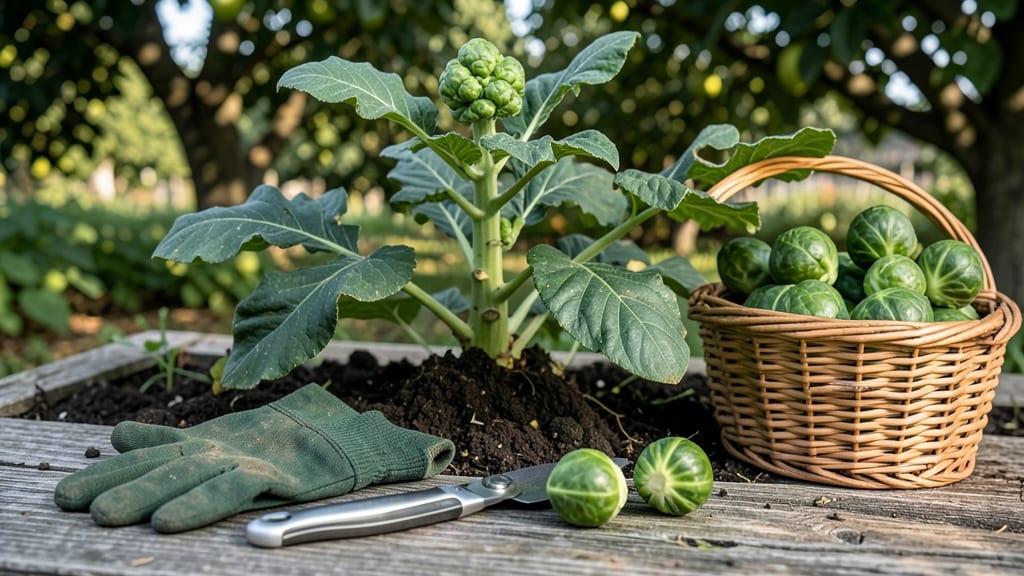
Harvesting Brussel sprouts 🥦 at the right time turns bitter disappointment into sweet, crisp perfection—typically 90 to 120 days after transplanting, depending on your zone.
Picture this: You’ve nurtured your plants all season, only to pull a sprout that’s tough and woody. Or worse, you wait too long, and frost turns them mushy.
The difference between success and failure often comes down to knowing exactly when to harvest—before the cold sets in but after the buds have fully formed.
Brussel sprouts actually taste sweeter after a light frost, but you need to beat the hard freeze. In USDA Zone 6a, that means timing your harvest between October and November, when temperatures dip but haven’t fully crashed.
The key is watching for deep green, compact buds—about 1 to 1.5 inches in diameter—that snap cleanly when bent.
Below, I’ll walk you through the exact timeline, how to check for readiness, and pro tips to extend your harvest season—so you can enjoy homegrown Brussels sprouts at their peak for weeks.

Brussel sprout harvest timeline: weeks to frost for optimal flavor
Brussel sprouts thrive when harvested at the right moment—just before a hard frost transforms their natural sweetness into an unpleasant bitterness. The ideal harvest window occurs 90 to 120 days after transplanting, but timing depends on your USDA zone and local climate.
In cooler regions like Zones 3-5, you can harvest as early as 60 days, while warmer Zones 8-10 may extend the window to 120 days.
Frost actually enhances flavor in Brussels sprouts, but only if they’re harvested at the right stage. A light frost 10 to 14 days before picking sweetens the buds, but a hard freeze can turn them mushy.
The key is to time your harvest so you can enjoy that frost-kissed sweetness without sacrificing texture. Think of it like a culinary clock—each day counts!
Here’s the breakdown of their growth stages and when to expect harvest-ready sprouts:
| Growth Stage | Days After Planting | Harvest Window | Key Features |
|---|---|---|---|
| Seedling | 14-21 | Not applicable | First true leaves appear |
| Vegetative Growth | 21-60 | Not applicable | Stem elongates rapidly |
| Early Bud Formation | 60-75 | Not ready | Small buds form at stem base |
| Optimal Harvest Readiness | 90-120 | 10-14 days before frost | Bud size: 1-2 inches, dark green/purple |
| Frost-Sweetened Peak | 100-120 | After light frost | Enhanced sweetness, crisp texture |
| Over-Mature | 120+ | Avoid | Woody, bitter, loose buds |
🌱 Pro Tip: Harvest from the bottom up to encourage more buds!
The 90-day mark is your sweet spot for most varieties, but regional differences matter. In USDA Zones 3-5, where frosts arrive earlier, aim to harvest by mid-October. Meanwhile, gardeners in Zones 8-10 can stretch harvests into December by protecting plants with row covers or cold frames.
Temperature plays a surprising role in flavor. Cool nights (40-50°F) and mild days (60-70°F) produce the sweetest, crispiest sprouts. If your summer is too hot, consider planting a second crop in late summer to avoid heat stress, which can make buds woody and bitter.
Think of it as a flavor thermostat—keep it cool for perfection!
One common mistake is waiting too long for a frost. While Brussels sprouts can tolerate light frosts, a hard freeze (28°F or below) will ruin them. Always monitor your local frost dates and plan to harvest 10-14 days before the first expected frost.
Use a frost calendar for your zone to stay ahead of the game.
For example, in Zone 6a (like much of the Midwest), the average first frost is October 15. That means you should start harvesting by October 1 to catch the sweetest buds.
In Zone 9 (Southern California), you might harvest as late as December 1, but protect plants with frost cloth if temps dip below 30°F.
If you’re unsure whether your sprouts are ready, check for these signs: deep green or purple color, 1-2 inch diameter, and tightly packed buds. Gently squeeze a bud—it should feel firm but slightly soft.
If it’s still hard, wait a few days. If it’s yellowing or loose, you’ve missed the window. Timing is everything!
To maximize your harvest, consider staggered plantings. Sow a few plants every 2-3 weeks starting in late summer for a continuous supply until frost. This way, you’ll always have fresh, frost-sweetened sprouts ready to pick—no more bitter disappointments!
Once you’ve mastered the harvest timeline, you’ll enjoy Brussels sprouts at their peak: sweet, crisp, and packed with flavor. Just remember: harvest early, harvest often, and let that frost work its magic—but don’t wait too long! 🥦
How to check Brussel sprouts for perfect harvest readiness
Picking Brussel sprouts at the right moment transforms your garden into a flavor powerhouse. The secret? Look for 1-2 inch buds with a deep green or purple hue—these are your telltale signs of peak sweetness.
I always start my checks in late September or early October, when cooler weather signals maturity.
Don’t rely solely on size—firmness is your best friend. Gently squeeze a bud; it should yield slightly like a ripe avocado. Overripe sprouts feel woody and lose their tender snap, while underripe ones stay tough and pale.
The stem should also snap cleanly when bent, not resist like a rubber band.
🚨 callout-warning
Brussels sprouts need frost to sweeten—but too much frost ruins them. Harvest 10-14 days before the first hard frost. If temps drop below 20°F, sprouts turn mushy and bitter. Check forecasts and pick early if frost is forecasted!
Remove the yellowing lower leaves first—they protect the sprouts but signal it’s time to harvest. I use sharp pruning shears to cut sprouts cleanly, leaving ½ inch of stem attached.
This prevents damage to the plant and keeps new buds forming below. Never pull sprouts by hand, as this can tear the stem.
Watch for over-maturity signs: sprouts splitting open or turning yellow-brown. These are past their prime and develop a bitter, grassy taste. For continuous harvests, I pick the largest sprouts first, working my way down the stem. This encourages smaller buds to mature evenly.
If your sprouts stay pale green or grow unevenly, check your plant’s sunlight exposure. Brussels need 6+ hours of full sun daily. Partial shade slows maturity and weakens flavor. I’ve also found that consistent moisture (1-2 inches per week) prevents stress that delays ripening.
Store freshly picked sprouts in the crisper drawer of your fridge for up to 2 weeks. For long-term storage, blanch and freeze them—this preserves their sweet, crisp texture. I always harvest in the morning when temps are coolest, as this extends their freshness after picking.