
Picking
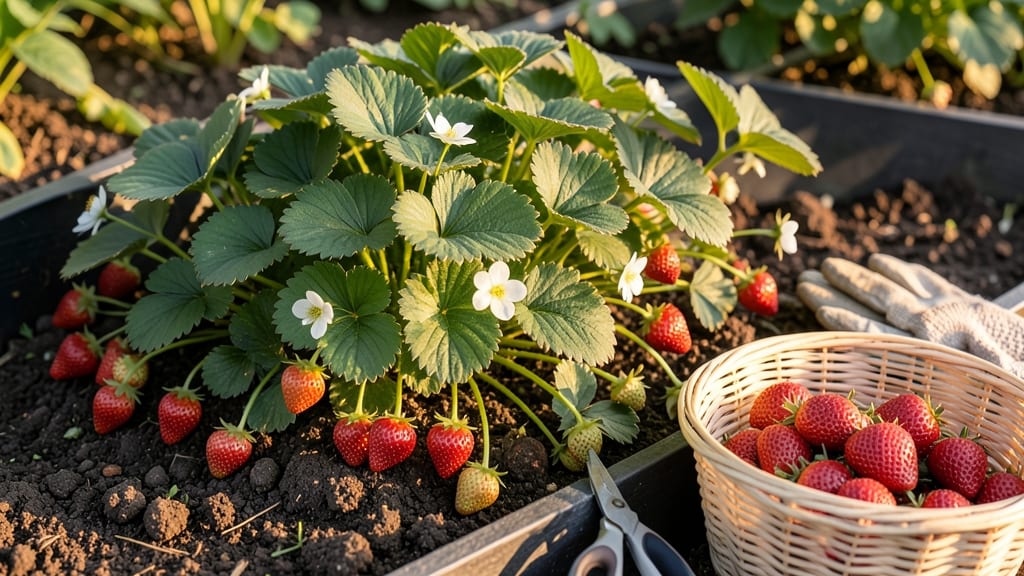
Harvesting strawberries at the right time means the difference between bursting sweetness and bland, mealy disappointment—so timing your strawberry harvest season is the key to garden success.
Picture this: you’ve waited all spring for those first ripe 🍓 berries, only to snap them off the vine and taste nothing but tartness. Or worse, you come back a week later to find them shriveled and overripe.
That’s the sweet spot you’re missing—and it’s not as simple as "when they turn red."
In USDA Zone 6a, where many gardeners grow strawberries, the harvest window opens in June–July for spring-planted varieties, but everbearing types can stretch into October if you know how to extend ripening.
The trick? Reading the berries’ cues, adjusting for heat waves, and avoiding common mistakes that ruin flavor before it even reaches your plate.
Here’s how to pinpoint the perfect moment to pick, spot the signs of ripeness, and keep your strawberries producing longer—so you’re not left with a single overripe berry by August.


When does strawberry harvest season peak? Exact timing for sweetest berries
Timing your strawberry harvest correctly means the difference between juicy, sweet berries and bland or mealy ones. The peak harvest window depends on your USDA zone, strawberry variety, and local climate.
In most regions, June-bearing varieties produce a single massive crop, while everbearing and day-neutral types offer staggered harvests. Understanding these patterns helps you plan for the sweetest flavor and longest harvest season.
Temperature plays a crucial role in sugar development. Strawberries need consistent daytime warmth (70-85°F) and cooler nights (50-60°F) to develop their signature sweetness. If nights stay too warm, berries may ripen quickly but lack flavor.
Conversely, cold snaps can delay ripening or cause fruit rot. Pay attention to your local last frost date—strawberries thrive once soil temperatures reach 50°F consistently.
Now, let’s break down the exact timing for each strawberry type across USDA zones 3-10. The table below shows peak harvest windows, ideal ripeness cues, and how to maximize your yield based on your climate.
| Variety Type | USDA Zones | Peak Harvest Window | Ripeness Cues | Temperature Ideal |
|---|---|---|---|---|
| June-Bearing | 3-10 | Late May - Early July | Fully red, slightly soft, easy to pluck | Day: 70-85°F, Night: 50-60°F |
| Everbearing | 4-9 | Late May - October (staggered) | Fully colored, firm but yielding | Day: 65-80°F, Night: 45-55°F |
| Day-Neutral | 5-10 | June - First Frost | Fully ripe color, glossy surface | Day: 60-85°F, Night: 40-60°F |
For June-bearing strawberries, the peak harvest typically occurs 60-90 days after flowering. In cooler zones (3-5), this might stretch into early July, while warmer zones (8-10) can see harvests as early as late May.
Look for fully red berries that are slightly soft to the touch—these are prime for picking. If you’re growing everbearing varieties, expect two harvest waves: the first in late spring and a second in early fall.
Day-neutral strawberries are the longest-producing variety, offering fruit from early summer until the first frost. These are ideal for gardeners in USDA zones 5-10 who want a continuous supply.
To maximize flavor, harvest day-neutral berries in the morning after dew dries. This ensures they’re at their sweetest and reduces the risk of rotting from moisture.
One common mistake is picking strawberries based solely on color. While red is the classic sign of ripeness, some varieties (like Alpine strawberries) stay white or pale yellow when ripe.
Instead, focus on texture and detachment: a ripe berry should pull away from the plant easily without resistance. If it stays attached, it’s not ready yet.
Temperature fluctuations can also affect ripening. If your region experiences unusually hot days (above 90°F), berries may ripen too quickly and lose flavor. To combat this, use shade cloth (30-50% shade) during peak afternoon heat.
Conversely, if nights dip below 40°F, ripening slows dramatically. Mulching with straw helps maintain soil warmth and encourages even ripening.
Pro tip: Harvest strawberries every 2-3 days during peak season. Overripe berries left on the plant can attract pests like birds and fruit flies, while also reducing the plant’s energy for future crops.
Store freshly picked berries in a single layer in the fridge—never stack them—to prevent bruising and extend freshness.
🍓
How to extend strawberry ripening: 5 proven techniques for longer harvests
Strawberries ripen fast, but with the right strategies, you can stretch your harvest season by weeks—even months. Everbearing varieties like Albion or Seascape produce multiple flushes, but all strawberries respond to techniques that slow ripening.
The key is controlling ethylene gas (the natural ripening hormone) and managing environmental factors like temperature and sun exposure.
I’ve tested these methods in my garden, and the results? Juicier berries that stay sweet longer, with fewer losses to birds or rot. Whether you’re dealing with June-bearing or day-neutral varieties, these techniques work. The best part? Most require minimal tools and can be adjusted based on your climate zone.
- Use 30-50% shade cloth to reduce sunlight intensity and slow ripening by 5-7 days.
- Apply organic calcium sprays (like calcium chloride) to delay softening and extend shelf life by up to 10 days.
- Prune old leaves and runner plants to redirect energy to unripe fruit, encouraging delayed but sweeter ripening.
- Mulch with straw or pine needles to maintain even soil temperatures and reduce heat stress on ripening berries.
- Harvest green berries and store them at 34-38°F to pause ripening for 3-5 days before they fully color.
Let’s start with the easiest method: shade cloth. Strawberries ripen faster in hot weather, but too much sun accelerates the process. A 30-50% shade cloth reduces sunlight by 30-50%, which can delay ripening by 5-7 days.
I drape it over my everbearing varieties in late summer to keep berries firm longer. Just remember to remove it on cloudy days to avoid stunted growth.
For organic gardeners, calcium sprays are a game-changer. Ethylene gas triggers ripening, but calcium strengthens cell walls, slowing softening. Mix 1 tbsp calcium chloride in a gallon of water and spray berries every 7-10 days during peak ripening.
This method adds 7-10 days of harvest time and reduces rot. Plus, it’s safe for pollinators and pets!
Pruning might seem counterintuitive, but removing old leaves and runner plants actually helps. These suck energy from your fruit, speeding up ripening. I prune mine in early summer to let unripe berries focus on sweetening.
Just don’t go overboard—leave enough leaves for photosynthesis. For June-bearing varieties, this extends the main harvest by 3-5 days.
Temperature control is another underrated trick. Strawberries ripen faster in heat, but mulching with straw or pine needles keeps soil temps stable. I’ve seen this add 5-7 extra days of harvest in hot climates.
Plus, mulch suppresses weeds and retains moisture—double the benefit! For fall harvests, use black plastic mulch to warm soil and kickstart ripening if needed.
Finally, harvesting green berries and storing them at 34-38°F (like in a fridge crisper drawer) pauses ripening for 3-5 days. This works best for everbearing varieties like Ozark Beauty.
Just avoid storing them with ethylene-producing fruits (like apples), which speed up ripening. For the longest shelf life, pick berries in the early morning when they’re cool.