
How To
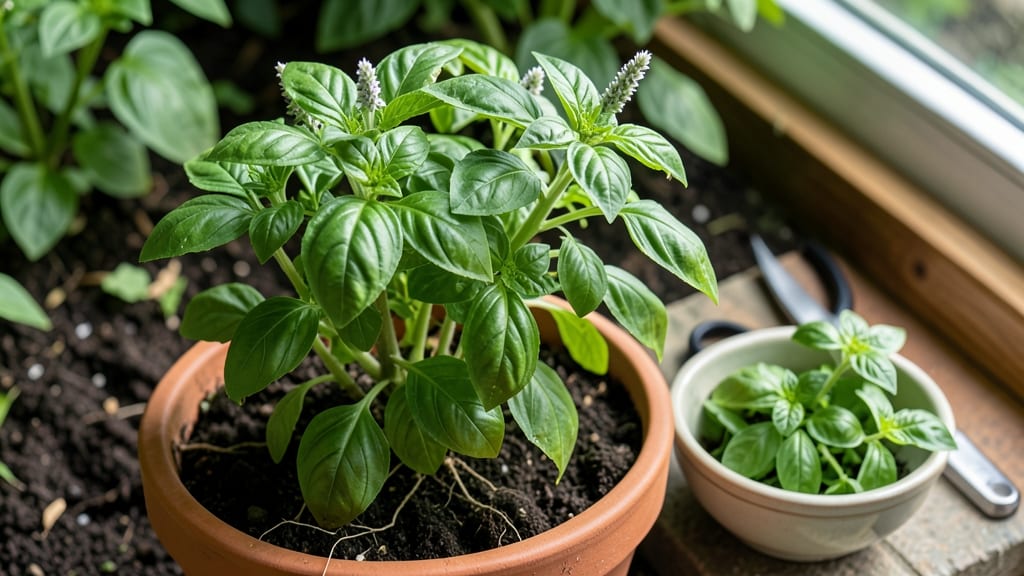
To harvest basil at the right time keeps your plant thriving and your kitchen stocked with fresh leaves for months.
Harvesting basil at the wrong moment can turn your flavorful herb into a leggy, bitter mess—something I learned the hard way after skipping a season’s worth of regular pruning. The key isn’t just when you cut, but how often, and that depends on your plant’s growth stage.
Most gardeners assume basil can handle weekly harvesting once it’s established, but overdoing it stunts new growth. Instead, focus on two key signs: firm stems and leaves large enough to pinch without leaving bare spots.
I’ll walk you through the exact intervals for seedling, vegetative, and flowering phases—plus how to tell if you’re harvesting too much (or too little).
By the end, you’ll know not just how often to harvest basil, but also the best techniques to keep your plant bushy, productive, and ready for your next pesto batch. No more guesswork, just science-backed results you can trust.

Optimal basil harvesting frequency based on plant growth stages
Understanding your basil plant's growth stages is the secret to harvesting at the perfect time. Each phase—seedling, vegetative, and flowering—demands a different approach to avoid stressing your plant.
I've learned through years of gardening that timing your harvests based on these stages can mean the difference between a bushy, flavorful plant and one that bolts prematurely.
When your basil is in the seedling stage (first 30 days), harvesting is off-limits entirely. This critical period focuses on root and stem development, not leaf production.
Trying to harvest too early can stunt growth and leave your plant vulnerable to disease. Instead, prioritize consistent watering and full sunlight to build a strong foundation.
Here's where most gardeners make their first mistake: they assume all basil plants are ready for harvesting at the same time. In reality, your plant's readiness depends entirely on its growth stage.
The vegetative stage (30-60 days) is when you can begin light harvesting, but only if your plant shows clear signs of maturity like 6-inch stems and large leaves. This is when you'll get the most flavorful leaves without compromising growth.
The flowering stage is where things get critical. Once you see those telltale white or purple flower buds, your basil is sending all its energy into reproduction rather than leaf production.
At this point, you should harvest immediately—but focus on removing the flowers and only taking a few leaves to avoid shocking the plant. This stage marks the beginning of the end for your basil unless you're planning to save seeds.
I've noticed that many gardeners fall into the trap of over-harvesting during the vegetative stage because they're eager for fresh leaves. But taking too much too soon can leave your basil looking leggy and sparse.
The key is to always remove leaves from the top third of the plant and never take more than one-third of the foliage at once. This encourages new growth from lower stems and maintains that lush, bushy appearance.
Conversely, under-harvesting can lead to problems too. When you never prune your basil, it becomes woody at the base and develops a bitter flavor. The plant also becomes more susceptible to pests like aphids, which love the tender new growth that accumulates when you don't harvest regularly.
I recommend setting a bi-weekly reminder to check your plants during the growing season.
Seasonal changes also affect your harvesting frequency. During spring and early summer, when growth is most vigorous, you can harvest every 2-3 weeks. But as temperatures rise in late summer, growth slows, and you should reduce harvesting to every 3-4 weeks.
This gives your plant time to recover between harvests, especially important in hot climates where basil can become stressed.
One pro tip I swear by is the "harvest and fertilize" method. After each harvest, I add a balanced fertilizer (10-10-10) to replenish nutrients. This two-step process ensures your basil has the energy it needs to bounce back quickly.
Just be careful not to overdo it—too much fertilizer can lead to salt buildup in the soil, which damages roots.
Remember that every basil plant has its own personality. Some varieties like Genovese grow more slowly and may need less frequent harvesting, while Spicy Globe basil can handle more aggressive pruning.
Pay attention to your plant's specific responses and adjust your schedule accordingly. With the right approach, you'll enjoy a continuous harvest all season long—without sacrificing plant health.
3 Key signs your basil needs harvesting (and when to wait)
Knowing when to harvest basil isn’t just about grabbing leaves—it’s about reading your plant’s signals. I’ve learned that ignoring these cues can turn your flavorful herb into a bitter, leggy shadow of its former self. The right timing keeps your basil producing large, aromatic leaves while preventing stress.
Let’s break down the three most reliable signs that your basil is ready for the harvest—plus what happens if you wait too long.
First, pay attention to leaf size. When your basil leaves reach about 2-3 inches wide, that’s your green light. Smaller leaves mean your plant is still focusing on growth, not production.
I always check the middle leaves first—they’re usually the first to mature. If they’re still tiny, hold off on harvesting. Waiting ensures you get the most flavorful leaves for your cooking.
Next, examine the stem thickness. Firm, upright stems are a clear sign your basil is ready. When I pinch a stem and it feels wooden but flexible, I know it’s time. Soft or floppy stems mean your plant needs more time to strengthen.
Overly thick stems can also signal over-maturity, which often leads to tougher leaves. Balance is key—aim for stems that are thick but still bendable.
- 🌿 Leaf Size: Harvest when leaves reach 2-3 inches—smaller leaves mean wait.
- 💪 Stem Thickness: Firm, upright stems signal readiness; soft stems mean delay.
- 🌸 Flower Buds: Tiny white buds? Harvest immediately—flowering = bitter leaves.
- ⏳ Growth Stage: Seedlings (<30 days): never harvest; established plants: every 2-3 weeks.
- 🌡️ Seasonal Tip: Summer heat? Harvest morning leaves to preserve flavor and moisture.
Watch for flower buds, the third critical sign. When you spot those tiny white flowers forming, it’s a red flag. Flowering means your basil is shifting energy from leaf production to seed-making, and the leaves will turn bitter and tough.
I’ve seen this happen after skipping harvests for too long—once those buds appear, the flavor is gone. Pinch them off immediately if you see them, but better yet, harvest before they form.
If you ignore these signs, your basil will send you a clear message: leggy stems and sparse leaves. I’ve let my basil go too long between harvests, and the result was a plant that looked more like a twig than a herb garden staple.
The good news? Basil is resilient. Once you start harvesting at the right time, it rebounds quickly, producing bushier growth and more leaves. Consistency is the key—don’t wait until the plant is struggling.
For maximum yield, I harvest my basil every 2-3 weeks once it’s established. This keeps the plant focused on producing new growth rather than flowering. Always cut just above a leaf node (where leaves meet the stem) to encourage branching.
And remember: morning harvests are best—the leaves are driest, and the flavor is at its peak. Ignore these cues, and you’ll end up with a plant that’s all stem and no leaf.