
How To
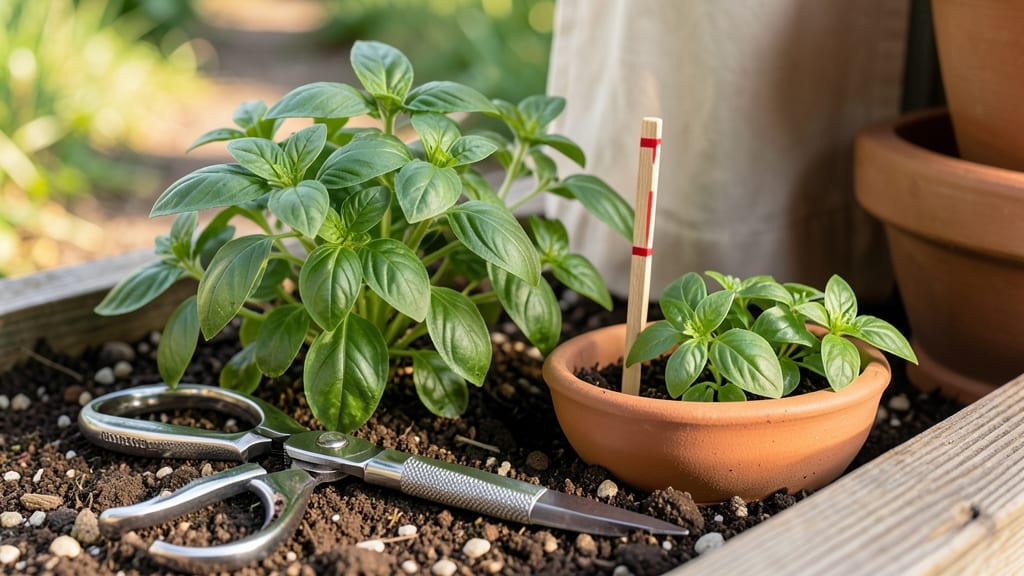
To harvest basil so it keeps growing, focus on pinching young stems just above leaf nodes rather than cutting whole branches—this trick triggers bushier regrowth and a longer harvest season.
Struggling to keep your basil thriving after harvest? Many gardeners mistakenly cut too much at once, stunting regrowth—but the secret to endless fresh basil lies in a simple pinch-and-prune technique that encourages bushier, more productive plants.
Basil 🌿 is one of the fastest-growing herbs, but improper harvesting can leave you with leggy stems and sparse leaves. The key is timing: start harvesting when plants reach 6-8 inches tall, always targeting the top sets of leaves to promote new side shoots.
In this guide, I’ll walk you through the exact steps—when to prune, how much to remove, and how to avoid common mistakes like over-harvesting or cutting stems too short. You’ll learn to keep your basil thriving from June through October.

The correct pinch-and-prune method for basil regrowth (step-by-step guide)
If you've ever harvested basil only to watch it slow down or stop growing, you're not alone. The key to endless fresh basil isn't just harvesting—it's using the right technique to stimulate regrowth.
By following a precise pinch-and-prune method, you'll encourage your basil to grow bushier, produce more leaves, and keep thriving for the entire season. The secret lies in knowing where to cut and how much to remove without harming the plant.
Basil plants grow best when they're encouraged to branch out. When you remove the top sets of leaves, the plant redirects its energy to the side shoots, creating a fuller, more productive bush.
This method works for both container-grown and in-ground basil, and it's especially effective when started early in the plant's life cycle. For best results, begin pinching when your basil reaches 6-8 inches tall and has at least 6-8 leaves per stem.
Before you start, gather your tools: a pair of clean, sharp scissors or your fingers (yes, pinching works too!). Avoid dull tools that can crush stems and invite disease. Work in the morning when leaves are hydrated and full of flavor.
And always harvest just above a leaf node—this is where new growth will emerge. Ready to transform your basil from a leggy stalk into a lush, leafy powerhouse?
Step-by-Step Basil Harvesting Guide
-
Step 1: Identify the Right Growth Stage
Wait until your basil has 6-8 mature leaves and is 6-8 inches tall. Look for leaf nodes (the points where leaves attach to stems)—these are your targets. -
Step 2: Choose Your Harvest Method
For pinching: Use your thumb and forefinger to gently remove the top 2-3 sets of leaves just above a leaf node. For pruning: Use clean scissors to cut 1/3 of the plant's height, leaving at least 4-6 inches of stem. -
Step 3: Locate the Leaf Node
Find the first set of leaves below the top growth. This is your cutting point. Never remove more than 1/3 of the plant at once—this prevents shock and encourages regrowth. -
Step 4: Make the Cut (or Pinch)
For pinching: Pinch the stem just above the leaf node at a 45-degree angle to increase surface area for water absorption. For pruning: Cut 1/4 inch above the node with a sharp, downward motion. -
Step 5: Encourage Side Shoots
After harvesting, new shoots will emerge from the leaf nodes below the cut. These will grow into secondary stems, creating a bushier plant. Repeat this process every 2-3 weeks to maintain growth. -
Step 6: Post-Harvest Care
Water the plant deeply after harvesting to reduce stress. Place it in a sunny location (6+ hours of direct sunlight) and avoid fertilizing for 1-2 weeks to allow recovery.
One of the most common mistakes is harvesting the flower buds or allowing the plant to bloom. When basil flowers, it signals the end of its productive life cycle. The plant's energy shifts from leaf production to seed development, leaving you with bitter-tasting leaves.
To prevent this, always harvest before flowers appear and remove any flower stalks you see immediately.
For container-grown basil, the pinch-and-prune method is even more critical because space is limited. By encouraging bushier growth, you maximize leaf production in a small area. If your basil starts looking leggy or sparse, it’s a sign you’ve been harvesting too much from the top.
Instead, focus on side shoots and lower leaves to balance growth.
Frequency is key: harvest your basil every 2-3 weeks during its peak growing season (late spring to early fall). This regular harvesting prevents the plant from becoming overgrown or woody.
In late summer, as temperatures rise, reduce harvesting frequency to every 4-6 weeks to avoid stressing the plant before winter.
If your basil starts to look stunted or yellow after harvesting, it may be a sign of over-pruning or underwatering. Always check the soil moisture before harvesting—dry soil can cause stress, while overly wet soil can lead to root rot.
Aim for consistently moist (not soggy) soil to keep your basil thriving.
With the right technique, your basil plant can produce continuous harvests for months. The pinch-and-prune method isn’t just about harvesting—it’s about encouraging growth and creating a plant that rewards you with fresh, flavorful leaves all season long.
Start today, and you’ll be enjoying homegrown basil long after store-bought plants have given up.
Common harvesting mistakes that stop basil from regrowing (and how to fix them)
Even the most enthusiastic gardeners can accidentally kill their basil regrowth with simple harvesting mistakes. The key to endless fresh basil lies in understanding what not to do when snipping those fragrant leaves. I’ve seen woody stems and stunted growth from these common errors—let’s fix them together.
First, many gardeners make the fatal mistake of harvesting flower buds or letting the plant bloom. When basil flowers, it signals the plant to focus on seed production instead of leaf growth.
This shift diverts energy away from your harvestable leaves, leaving you with a plant that struggles to recover.
Another frequent error is cutting stems too short, leaving only a few leaf nodes behind. Each node holds the potential for new growth, so removing too much at once can stunt your plant’s ability to regenerate. Think of it like trimming your hair too close—you’ll end up with sparse regrowth!
Over-pruning is another silent growth killer. While regular pruning encourages bushier plants, aggressive cuts can stress the basil beyond recovery. The rule of thumb? Never remove more than one-third of the plant’s foliage in a single session. Patience here pays off with lush, continuous harvests.
⚠️ ⚠️ callout-warning ⚠️
⚠️ 5 Harvesting Mistakes That Kill Basil Regrowth
- 1. Cutting stems too short: Leave at least 2-3 leaf nodes to encourage regrowth.
- 2. Harvesting flower buds: Remove them immediately to redirect energy to leaves.
- 3. Over-pruning: Never trim more than 1/3 of foliage at once.
- 4. Using dull shears: Clean cuts prevent disease and stress.
- 5. Ignoring post-harvest care: Water deeply and fertilize lightly after pruning.
💡 Pro Tip: Always harvest in the morning when leaves are hydrated and flavors peak.
Let’s talk about timing—harvesting at the wrong stage can also halt regrowth. Wait until your basil reaches 6-8 inches tall with at least 6-8 leaves per stem.
This ensures the plant has enough energy reserves to bounce back. I’ve seen gardeners rush to harvest too early, only to watch their plants struggle to recover.
Finally, neglecting post-harvest care is a game-changer. After harvesting, give your basil a deep watering and a light dose of balanced fertilizer (10-10-10). This replenishes nutrients lost during pruning and kickstarts regrowth. Skipping this step leaves your plant vulnerable to stress and slow recovery.
By avoiding these mistakes, you’ll transform your basil from a one-time harvest plant into a year-round producer. The secret? A little patience, sharp shears, and knowing exactly where to cut. Your future pesto will thank you!