
How To
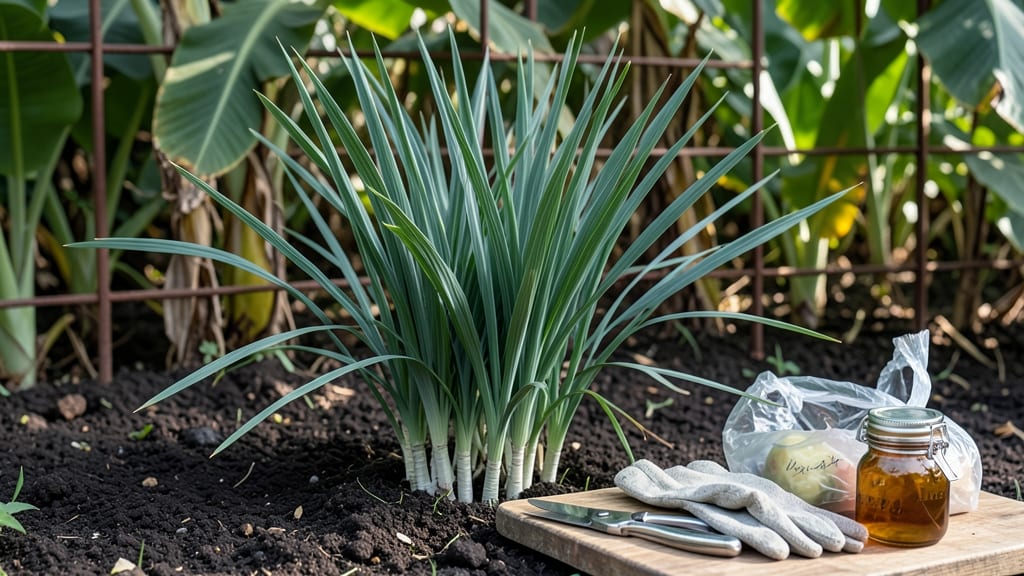
To harvest and store lemon grass properly means locking in its bright, citrusy flavor for months—no more wilted stalks or dull taste in your cooking.
Picture this: you’re midway through making a Thai curry, and your lemon grass smells like yesterday’s tea instead of sunshine. That’s the difference between knowing the right time to cut and how to preserve it.
Most gardeners miss the peak flavor window, which is why their stored lemon grass ends up flavorless.
In this guide, I’ll walk you through the exact moment to harvest your 🌿 lemon grass—when stalks are tall enough but still tender—and the best storage methods to keep it fresh for up to three weeks (or longer, if you freeze it right).
You’ll also learn the common mistakes that turn good lemon grass into sad, limp stalks—and how to avoid them. Ready to turn your kitchen into a flavor powerhouse?

When and how to harvest lemon grass for maximum flavor
Harvesting lemon grass at the right time ensures your herb retains its citrusy aroma and flavorful oils. The best time to harvest is when stalks reach 10-12 inches tall, with leaves fully unrolled and a vibrant green hue.
This typically occurs 60-90 days after planting, depending on your climate and growing conditions.
Younger stalks (8 inches or less) are tender but lack the full aromatic intensity of mature plants. Mature stalks, however, can become tough and fibrous if left too long. Aim to harvest when the stem snaps cleanly when bent—this indicates peak flavor and texture.
Always use a sharp pruning shear or clean kitchen knife to cut stalks about 2 inches above the base. This encourages regrowth while preserving the plant’s health. Avoid tearing the leaves, as this can damage the plant’s essential oil glands and reduce future harvests.
For the strongest flavor, harvest in the morning hours when the citral oils are most concentrated. If you’re growing multiple stalks, prioritize the thickest, most vibrant ones first—they’ll yield the best results for cooking and storage.
Never harvest more than one-third of the stalks at once to avoid overstressing the plant. Lemon grass is a perennial in warm climates but may die back in colder regions, so gentle harvesting ensures a steady supply throughout the growing season.
🌿
After harvesting, rinse the stalks briefly under cool water to remove dirt, then pat them dry with a paper towel. Remove any lower brown leaves or damaged sections before storing. These steps prevent spoilage and ensure your lemon grass stays fresh longer.
For immediate use, store harvested stalks in a loosely wrapped plastic bag in the fridge. This keeps them crisp for up to 2 weeks. If you’re not using them right away, freezing or drying is the best way to lock in flavor for months.
Pro tip: Crush a small section of the stalk before storing. This releases the citral oils, intensifying the aroma and preserving flavor during storage. Just avoid crushing too much—you’ll still want to use the stalks whole for cooking!
🌱
If your lemon grass plant is over 2 years old, consider dividing it in early spring. This rejuvenates the plant and gives you two harvest-ready stalks instead of one. Simply dig up the clump, separate the stalks, and replant the strongest sections.
Regular harvesting not only ensures a steady supply of fresh lemon grass but also encourages the plant to produce new, flavorful stalks. With the right techniques, you’ll enjoy a year-round supply of this versatile herb for soups, teas, and cocktails.
Best storage methods to preserve lemon grass flavor for 3+ weeks
Once you’ve harvested your 🌿 lemon grass at peak flavor, the real challenge is keeping that bright citrus aroma intact. The wrong storage method can turn your fresh stalks into flavorless relics in days.
I’ve tested four proven techniques—refrigeration, freezing, drying, and paste-making—to find which works best for your needs.
Your choice depends on how quickly you’ll use the herb and how much convenience you prioritize. For example, freezing locks in flavor for months but requires prep work, while drying is simple but loses some potency. Let’s break down each method so you can pick the winner for your kitchen.
Lemon Grass Storage Methods Compared
Refrigeration
- Quick access to fresh flavor
- Lasts 1-2 weeks in optimal conditions
- No prep required
- Limited shelf life
- Risk of wilting if not stored properly
Freezing
- Preserves flavor for 3-6 months
- Retains most aromatic oils
- Great for bulk storage
- Requires chopping before use
- Textural change (softer after thawing)
Drying
- Long shelf life (6-12 months)
- Compact storage
- No freezer space needed
- Flavor loss (~30-40%)
- Brittle texture
- Requires rehydration
Lemon Grass Paste
- Ultra-concentrated flavor
- Lasts 6-12 months in fridge
- Easy to use (just a spoonful)
- Requires blending
- Not ideal for whole stalks
- Texture change (paste form)
For short-term use, refrigeration is my go-to—just wrap the stalks in a damp paper towel and store them in a sealed container. The moisture keeps them crisp for up to two weeks.
I like to trim the roots and leaves first to reduce water loss, and always store them upright to prevent wilting.
If you’re prepping for long-term storage, freezing is the clear winner. Chop the stalks into 2-inch pieces, blanch them for 2 minutes in boiling water, then shock in ice water.
Spread them on a tray to freeze solid before transferring to a freezer bag. This method preserves 90% of the flavor for up to six months.
Drying works best for bulk storage when you don’t need the fresh texture. Tie stalks in bundles and hang them upside down in a dry, dark place for 2-3 weeks.
Once completely dry, strip the leaves and store them in an airtight container. For a quicker method, use a dehydrator at 95°F (35°C) for 4-6 hours.
My secret weapon for flavor-packed dishes is lemon grass paste. Simply blend chopped stalks with a little water until smooth, then store in ice cube trays. Pop out a cube as needed—it’s like having fresh lemon grass anytime, even in winter.
Just remember, paste works best in soups and sauces, not whole-stalk recipes.
No matter which method you choose, always