
How To
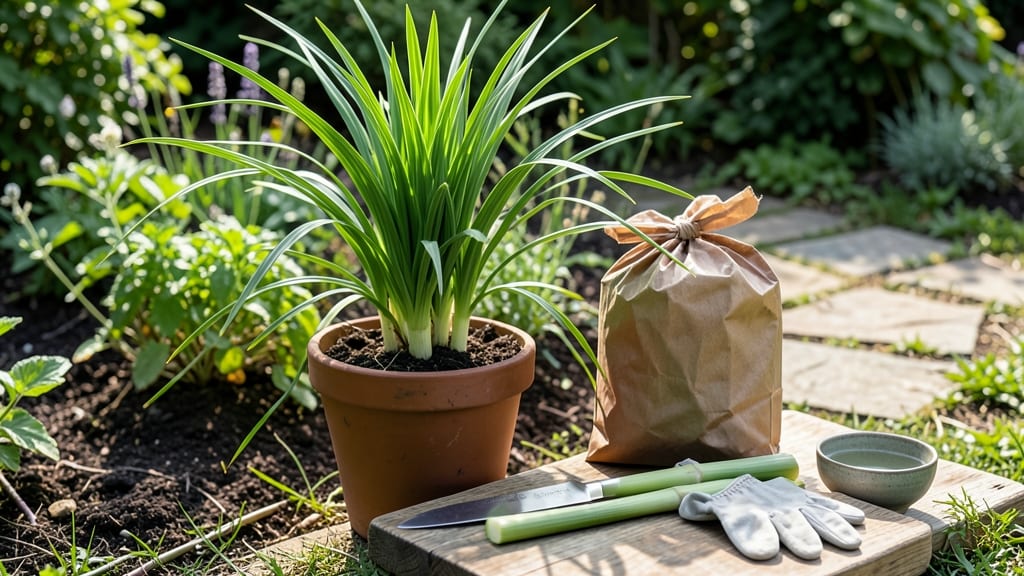
To harvest and store lemongrass at its peak flavor, you’ll want to time it just right—when the stalks are tall, firm, and packed with that signature citrus punch 🌿.
Lemongrass isn’t just a kitchen staple—it’s a versatile herb that thrives when harvested and stored properly, ensuring you always have fresh flavor on demand.
Whether you’re prepping for curries, teas, or homemade remedies, knowing the best time to cut and how to preserve it can save you from wilted, flavorless stalks later.
Below, I’ll walk you through the exact steps to harvest for maximum yield, plus foolproof methods to keep it fresh for weeks or even months—no more sad, shriveled bundles in your freezer.

When and how to harvest lemongrass for maximum flavor and growth
Harvesting lemongrass at the right time ensures bold citrus flavor and encourages healthy regrowth. The key is timing—wait until the stalks reach 12-18 inches tall with basal leaves 20+ inches long. This usually happens 6-12 months after planting, depending on your climate.
In tropical zones (USDA 10-12), you can harvest year-round, while cooler zones (9-11) should focus on spring through fall before frost risks arrive.
For peak flavor, look for deep green, glossy leaves and a strong citrusy aroma when crushed. The lower 12 inches of the stalk contains the most aromatic oils, so prioritize harvesting these sections first.
If your plant has multiple stalks, you can harvest 2-3 at a time without harming the plant, leaving at least 3-4 inches of growth to sustain energy for regrowth.
Now, let's dive into the proper harvesting technique that keeps your lemongrass plant thriving while maximizing flavor:
- 🌱 Use sharp pruning shears or a clean knife to cut stalks at a 45-degree angle, about 1-2 inches above ground level. This prevents water from pooling and causing rot.
- 💧 Water the plant thoroughly 1-2 days before harvesting to plump up the stalks and enhance flavor. Avoid harvesting after heavy rain to prevent fungal risks.
- ✂️ Remove only mature stalks (12+ inches tall) and leave younger stalks (under 12 inches) to grow. This ensures a continuous harvest throughout the season.
- 🌿 Harvest in the morning when essential oils are most concentrated. Avoid harvesting after midday heat, as this can reduce flavor potency.
- 🌡️ Monitor temperature: Harvest when daytime temps are 65-85°F. Extreme heat or cold can stress the plant and dull flavor.
Over-harvesting is a common mistake that can weaken your lemongrass plant and reduce future yields. Never remove more than 30% of the stalks at once, and avoid cutting into the hard, woody base of the plant.
If you see yellowing leaves, stunted growth, or bare patches, you’ve likely over-harvested. Give your plant 4-6 weeks to recover before harvesting again.
After harvesting, rinse the stalks gently under cool water to remove dirt, but avoid soaking them, as excess moisture can accelerate spoilage. Pat them dry with a clean kitchen towel or paper towels, then store them properly to preserve flavor and freshness.
For short-term use (1 week), wrap the stalks in a damp paper towel and place them in a sealed plastic bag in the fridge. For long-term storage, freezing or drying is ideal—we’ll cover these methods in detail in the next section.
Did you know? Lemongrass regrows quickly after proper harvesting. With consistent care, including regular watering and balanced fertilization, your plant can produce harvests every 6-8 weeks. Just remember: patience and precision are key to keeping your lemongrass flavorful and productive for years to come.
If your lemongrass plant stops producing new stalks or the leaves turn brown and crispy, it may be stressed from over-harvesting or environmental factors. In this case, reduce harvesting frequency, increase watering, and apply a light dose of nitrogen-rich fertilizer to encourage recovery.
With proper care, your plant should bounce back within 4-6 weeks.
For container-grown lemongrass, harvesting is even more critical because space is limited. In pots, focus on harvesting outer stalks first to avoid overcrowding. If your container is smaller than 12 inches in diameter, limit harvests to 1-2 stalks per month to prevent stress.
Larger containers (18+ inches) can handle 2-3 stalks per month without issue.
Pro tip: Label your lemongrass plants if you’re growing multiple varieties. Some, like Citronella lemongrass, have a milder flavor and may require slightly different harvesting techniques. Always harvest Citronella stalks when they reach 15+ inches for the best citrus-mint aroma.
Harvesting lemongrass correctly isn’t just about flavor—it’s about sustaining your plant’s health and ensuring a bountiful future harvest. By following these timing and technique tips, you’ll enjoy fresh, aromatic lemongrass all season long—whether you’re using it in homemade remedies, cocktails, or culinary dishes.
Best long-term storage methods to keep lemongrass fresh for months
Once you’ve harvested your lemongrass, proper storage is key to preserving its citrusy aroma and flavor. Whether you’re prepping for future recipes or reviving your garden, these methods ensure your lemongrass stays vibrant for 3-6 months without spoilage.
The right technique depends on your needs—short-term freshness or long-term preservation.
For immediate use, refrigeration keeps lemongrass fresh for 2-3 weeks, but for true long-term storage, freezing and drying are game-changers. Each method has unique steps and benefits, so let’s break down how to maximize shelf life while keeping the essential oils intact.
For refrigeration, start by trimming the lemongrass roots and wrapping the stalks in a damp paper towel to maintain moisture. Place them in a sealed plastic bag and store in the crisper drawer—this mimics the humidity of a tropical climate.
Check weekly for slimy spots, which signal spoilage.
When freezing lemongrass, blanch the stalks for 2 minutes to halt enzyme activity, then shock in ice water before chopping into 3-inch pieces. Spread them on a tray to prevent clumping, freeze solid, then transfer to airtight freezer bags.
Label with the date—frozen lemongrass retains flavor for up to 12 months.
Drying is ideal for long-term storage and preserves the essential oils best. Bundle stalks and hang them in a dry, dark place with good airflow, like a pantry or garage.
After 2-4 weeks, the leaves should crumble easily. Store dried lemongrass in airtight containers away from light to prevent oxidation.
Pro tip: To revive wilted lemongrass after storage, soak the stalks in cool water for 10 minutes before use. This restores crispness and intensifies the citrus aroma. Avoid reviving dried lemongrass—it’s best used whole or ground for teas and spices.
Whether you choose refrigeration, freezing, or drying, consistency is key. Label your storage containers and rotate stock to use older batches first. With these methods, you’ll never run out of lemongrass for your next culinary or garden project! 🌿