
How To
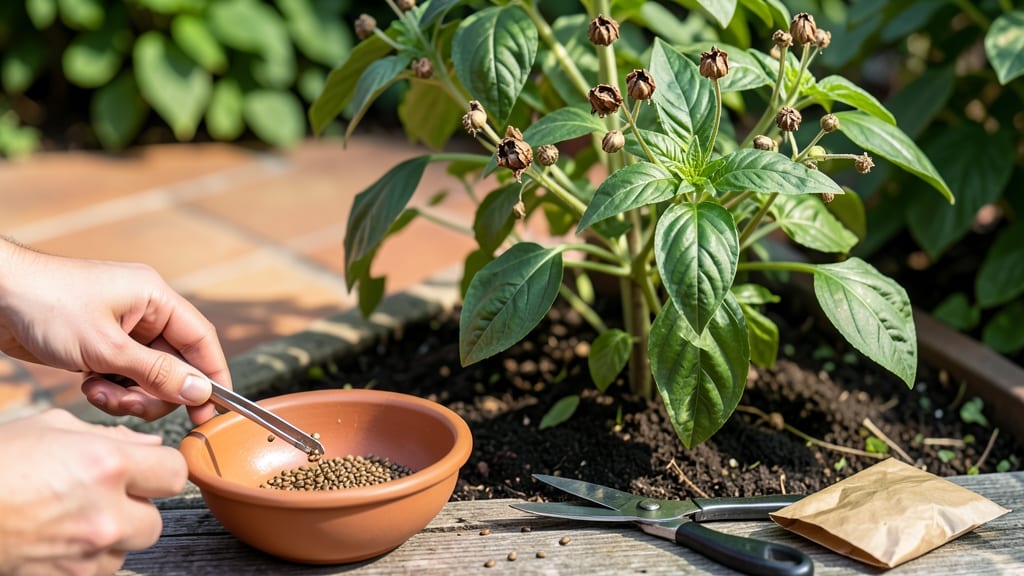
To harvest basil seeds, wait until the flowers fade and turn brown—that’s when the tiny black seeds inside are ready for collection.
Did you know your basil plant’s 🌿 brown flowers hold the secret to growing fresh, homegrown basil year after year? Harvesting basil seeds is easier than you think—and this step-by-step guide ensures you never buy potted basil again.
Most gardeners overlook this process, missing out on the satisfaction of saving seeds from their own plants. The key is patience: harvesting too early means immature seeds that won’t sprout, while waiting too long risks losing them to wind or pests.
In this guide, I’ll walk you through the best method for identifying ripe seed heads, collecting and drying seeds properly, and storing them for next season’s garden. You’ll learn how to maximize viability and avoid common mistakes that waste your hard work.

When and how to identify basil flowers ready for seed harvesting
Harvesting basil seeds starts with spotting the perfect flower stage—when those delicate white blooms transform into brown, papery seed pods. This brown flower phase signals the seeds are fully mature and ready for collection. Missing this window means lower seed viability or wasted effort, so timing is everything.
Look for three key indicators that your basil flowers are ready: the petals must wilt and turn brownish-gray, the seed pods should feel dry and brittle to the touch, and when you gently shake the pods, you’ll hear seeds rattling inside.
These signs confirm your basil seeds are primed for harvest.
Seasonal timing matters too. In USDA Zone 6a, aim to harvest basil seeds between late summer and early fall (August–September), when daylight hours shorten and temperatures cool slightly. Harvesting too early (when flowers are still white or green) risks underdeveloped seeds that won’t germinate.
Healthy basil plants produce more viable seeds, so prioritize plant care earlier in the season. Ensure your basil gets 6+ hours of sunlight daily, consistent moisture (but no soggy soil), and balanced fertilizer (like 10-10-10) every 4–6 weeks.
Neglecting these steps can stress the plant and reduce seed quality.
Avoid harvesting basil seeds when humidity is high or rain is forecasted, as moisture can ruin seed viability. Instead, pick a dry, sunny morning to collect seed pods.
Use clean scissors or fingers to snip or twist pods gently from the stem—never yank, which can damage the plant.
If your basil plant is overcrowded or struggling, prioritize harvesting leaves first to encourage seed production later. Prune lower leaves regularly to promote airflow and reduce fungal risks, which can compromise seed quality.
Pro tip: Label your seeds with the harvest date and basil variety (e.g., Genovese or Purple Ruffles). Store them in a paper envelope (not plastic) in a cool, dark place for up to 2–3 years. Paper allows moisture to escape, preventing mold growth.
Watch for pests like aphids or diseases like downy mildew, which can infect seed pods and lower germination rates. If you spot yellowing leaves or sticky residue, isolate the plant and treat with neem oil before harvesting seeds.
Timing your basil seed harvest correctly ensures high germination rates and healthy new plants. By mastering these visual cues and seasonal tips, you’ll turn brown flowers into a lifetime supply of basil—no store-bought pots needed!
Step-by-step basil seed harvesting process: from flower to viable seeds
Once your basil plants produce those telltale brown flowers, you’ve hit the perfect moment to harvest seeds. These tiny treasures are your ticket to a year-round basil supply—but timing and technique make all the difference.
Harvest too early, and the seeds won’t be viable; wait too long, and they’ll scatter before you can collect them.
I’ve harvested seeds from my Genovese basil for years, and the key is patience. The drying process is just as critical as the harvesting itself. A well-dried seed ensures strong germination, while rushed methods lead to moldy, useless seeds.
Let’s walk through the exact steps I use to maximize seed viability and avoid common pitfalls.
How to Harvest Basil Seeds: 7 Simple Steps
- Step 1: Wait for brown flowers – Harvest only when 70-80% of flowers turn dry and brown (usually late summer to early fall).
- Step 2: Snip carefully – Use clean scissors or pruners to cut flower clusters just above the leaf nodes. Avoid damaging healthy stems.
- Step 3: Wilt indoors – Lay cuttings on a paper towel in a dry, shaded spot for 3-5 days to fully dry.
- Step 4: Shake out seeds – Once brittle, place flowers in a paper bag and shake gently to release tiny black seeds.
- Step 5: Sift impurities – Use a fine mesh sieve to remove flower debris, leaving pure seeds.
- Step 6: Store properly – Keep seeds in an airtight container with a silica gel packet in a cool, dark place (viable for 2-3 years).
- Step 7: Avoid moisture – Never store seeds in the fridge or plastic bags—humidity ruins viability.
One common mistake I see is harvesting seeds too soon—when flowers are still green. These seeds won’t germinate. Always wait until they’re dry and brittle, and you’ll hear them rattle when shaken. Another tip? Label your containers with the harvest year—trust me, you’ll forget!
After harvesting, I like to test a few seeds by planting them in a small pot. If they sprout within 7-14 days, your batch is viable.
If not, try again next season—sometimes environmental factors like humidity affect germination. Store extra seeds in envelopes labeled with the harvest date for easy organization.
Pro seed-saving tip: If your basil plant is dwarf or compact, use a small mesh bag tied over the flowers to catch seeds before they scatter.
This works wonders for container-grown basil in urban gardens. With these steps, you’ll have plump, ready-to-plant seeds in no time—no store-bought basil needed!