
How To
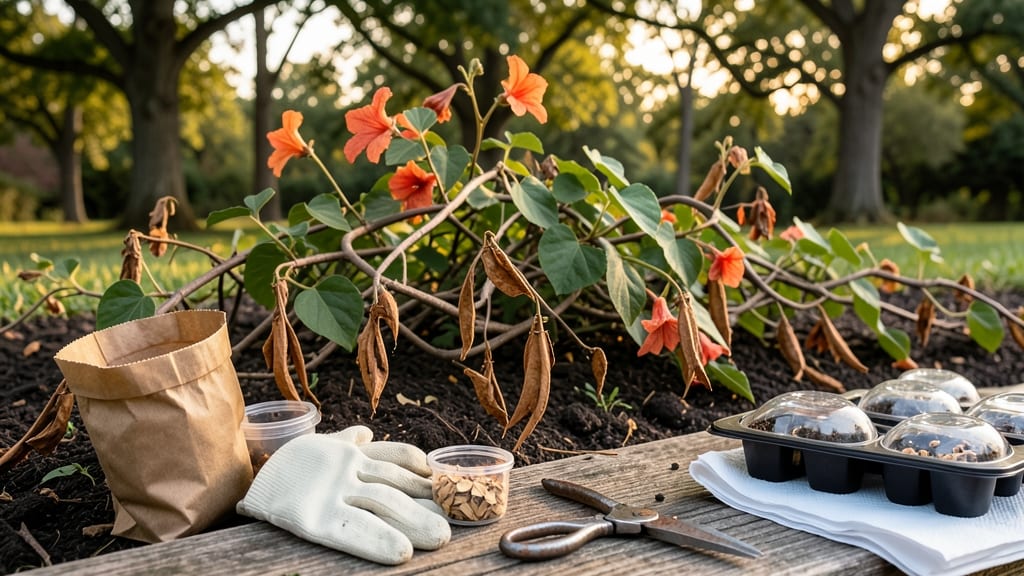
Harvest trumpet vine 🌸 seed pods when they turn brown and rattle inside—this is the only window to collect viable seeds before they scatter or spoil.
Picture this: you’ve spent months watching those bright orange flowers fade into long, green seed pods, only to wonder, When is the right moment to pick them? Miss the timing, and you’ll either end up with immature seeds or lose them entirely to wind or rain.
The key is catching them at peak ripeness—when they’re dry, brown, and just starting to split open.
This guide breaks down the exact visual and tactile cues to look for, from color changes to the telltale sound of mature seeds inside. You’ll also learn how to handle them to avoid damaging the seeds, plus the best storage methods to keep them viable for next year’s planting.
Whether you’re in a warm Southern climate or a cooler Northern zone, knowing the right time to harvest ensures you don’t waste your effort—or your seeds. Let’s get those pods at the perfect moment.

How to identify perfectly ripe trumpet vine seed pods for harvesting
Trumpet vine (Campsis radicans) seed pods are ready for harvest when they reach maturity cues that balance timing and seed viability. Miss these visual and tactile signals, and you risk collecting seeds that won’t germinate—or worse, letting them scatter before you’re ready.
The key lies in observing color shifts, pod texture, and internal seed development over a few weeks in late summer.
Start by scanning your trumpet vine for pods that have transitioned from bright green to dull brown. This color change signals the end of the growing season and the beginning of seed maturation.
Early pods remain firm and closed, while ripe ones feel dry and papery to the touch. If you press gently, you’ll notice they begin to split open naturally—a clear sign the seeds inside are ready for collection.
Pro Tip: Harvest on a dry, sunny morning to ensure seeds aren’t damp from dew or rain. Use clean pruning shears to snip pods at their stems, leaving a small portion attached to protect the seeds. Avoid pulling pods off the vine, as this can damage the plant and reduce next year’s yield.
One of the most reliable tricks for determining ripeness is the sound test. Shake a ripe pod gently—if you hear a loud rattling sound, seeds inside are loose and ready for collection.
Unripe pods will feel hollow or produce only a faint tap. This tactile cue is especially useful when color changes are subtle due to shade or weather conditions.
Watch for natural splitting along the pod’s seams. Ripe trumpet vine pods often crack open slightly on their own, releasing seeds gradually. If you notice pods falling to the ground, act quickly—seeds left on damp soil may rot or attract pests.
Collect these pods immediately, even if they’re not fully brown, as they’re still viable.
Timing is critical in cooler climates where frost arrives early. If your area experiences first frost by mid-October, prioritize harvesting by late September.
In warmer zones, pods may stay on the vine until November, but monitor for color changes and sound cues instead of relying solely on the calendar.
Common Mistake: Harvesting pods that are still green or only partially brown reduces germination rates. Immature seeds lack the energy reserves needed to sprout, and premature handling can damage the delicate seed coat. Always wait until at least 70% of the pod’s surface turns brown before collecting.
After harvesting, lay pods in a single layer on newspaper in a well-ventilated, dry area for 3–5 days. This allows remaining moisture to evaporate and prevents mold. Once fully dry, gently crush the pods to release seeds—store them in a paper envelope in a cool, dark place until spring planting.
Protect your investment by labeling seed packets with the harvest date. Trumpet vine seeds retain viability for 1–2 years under ideal storage conditions, but older seeds may germinate more slowly. For best results, plant within 6 months of harvest.
Step-by-step guide to harvesting and processing trumpet vine seeds
Once you’ve identified the perfectly ripe trumpet vine seed pods, the next step is careful collection. Use clean, sharp pruning shears to cut pods from the vine, avoiding damage to the plant’s stems. Work on a dry, sunny day to prevent moisture from compromising seed viability during processing.
Gather pods in a breathable paper bag or mesh sack to allow airflow while preventing seeds from escaping. Avoid plastic bags, as trapped moisture can cause mold or premature germination. Label your collection with the harvest date and vine variety if you’re working with multiple types.
Step-by-Step Processing Guide
- Step 1: Dry the Pods Spread pods in a single layer on a paper towel-lined tray or screen in a warm, dry location (60-70°F). Avoid direct sunlight to prevent overheating. Allow pods to dry for 7-10 days until completely brittle.
- Step 2: Extract the Seeds Once dry, gently squeeze each pod between your fingers or use a small hammer to crack open the shell. Avoid crushing seeds—remove only the dark, mature seeds (discard light or shriveled ones).
- Step 3: Clean the Seeds Remove any remaining pod fragments by winnowing (tossing seeds in the air to let wind separate debris) or sifting through a fine mesh screen. Store only clean, dry seeds for best results.
- Step 4: Store Properly Place seeds in a paper envelope or airtight container with a silica gel packet to absorb moisture. Label with the harvest year and store in a cool, dark place (e.g., refrigerator crisper drawer).
Never rush the drying process—moisture is the enemy of long-term seed viability. If pods feel damp or seeds stick together after drying, repeat the process with fresh pods. Trumpet vine seeds can remain viable for 2-3 years under ideal storage conditions.
Avoid these common mistakes: harvesting pods too early (seeds won’t germinate), storing seeds in plastic without moisture control, or exposing them to extreme temperatures. Always test a few seeds annually to check germination rates before committing to large-scale planting.
With proper handling, your homemade trumpet vine seeds will yield vigorous new plants next season. Happy harvesting! 🌱🌿