
How To
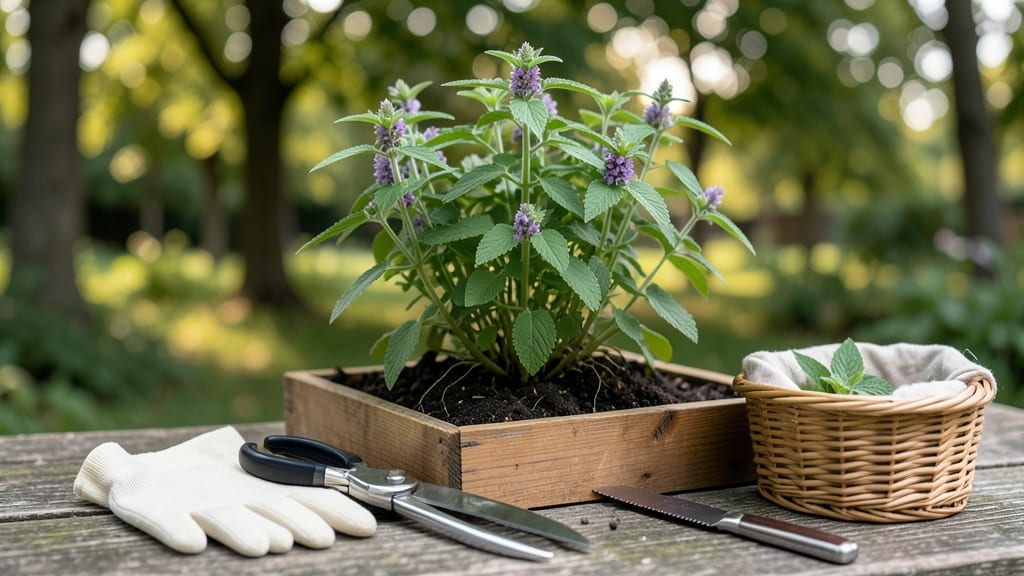
Harvesting catnip at the right time ensures the most potent, fragrant leaves 🐱 — and skipping this step means weak, bitter, or ineffective herbs.
You’ve spent months nurturing your catnip, only to wonder why your homemade cat toys or herbal remedies don’t pack the same punch as store-bought. The secret? Timing.
Harvest too early, and the leaves lack flavor; wait too long, and the plant shifts its energy to flowering, leaving behind dull, woody stems.
Below, I’ll walk you through the exact when and how to harvest catnip for maximum potency, whether you’re drying it for later use or fresh-picking for your feline friends.
This isn’t just about cutting leaves—it’s about preserving the herb’s natural oils, which give catnip its signature allure (and the irresistible appeal for cats).
We’ll cover everything from the ideal maturity stage to the best tools for the job, plus how to store your harvest so it stays fresh and effective for months.
Ready to turn your garden into a catnip powerhouse? Let’s dive into the step-by-step guide that’ll have your plants thriving and your harvests hitting peak flavor every time.

When to harvest catnip for maximum fragrance and potency
Timing your catnip harvest is everything—pick too early, and you’ll get weak, underdeveloped leaves. Harvest too late, and the potency fades as the plant shifts energy to flower production.
The sweet spot? Pre-flowering stage, when leaves are fully mature but still packed with nepetalactone, the compound that makes catnip irresistible to felines (and fragrant for us).
Most gardeners aim to harvest between 60 to 90 days after planting, but this varies based on your climate zone and growing conditions.
In warmer regions (like USDA Zone 8+), you might start as early as late May, while cooler zones could delay harvest until July or August. The key is watching the plant, not the calendar.
Here’s the science: Catnip’s potency peaks when its leaves are fully expanded but before the flower buds form. Once flowering begins, the plant redirects nutrients to seeds, leaving the leaves less aromatic and bitter. Think of it like a window of opportunity—miss it, and you’re left with second-rate harvests.
| Stage | Leaf Characteristics | Potency Level | Best For |
|---|---|---|---|
| Seedling Stage | Small, sparse leaves | Low (👃) | Not harvestable |
| Vegetative Growth | Fully developed, bright green, aromatic | High (🌿🌿🌿) | Fresh or dried use |
| Pre-Flowering | Leaves slightly larger, still fragrant | Very High (🌿🌿🌿🌿) | Peak harvest window |
| Flowering Stage | Leaves may yellow, bitter taste | Low (🌿👃) | Avoid harvesting |
| Post-Flowering | Stems woody, leaves sparse | Very Low (👃) | Prune for regrowth |
To test for peak potency, use your senses: crush a few leaves between your fingers. If they release a strong, minty aroma (think catnip’s signature scent), it’s harvest-ready.
If the smell is faint or skunky, wait a few more days—or you’ve missed the window. Pro tip: harvest on a dry, sunny morning when essential oils are most concentrated.
Seasonal timing matters too. In spring-planted catnip, your first harvest window opens around mid-to-late summer (June-August in most zones). For perennial catnip, you’ll get multiple harvests yearly, with the best yields in early summer and again in fall before frost.
Just avoid harvesting after the first light frost, as cold weakens the plant’s potency.
Overlooking the pre-flowering stage is the #1 mistake gardeners make. Once those purple flower buds appear, the plant’s energy shifts to reproduction, and the leaves lose their nepetalactone-rich quality. I’ve seen gardeners harvest catnip in full bloom—the leaves were bitter and barely aromatic. Don’t make that mistake!
Another common error? Harvesting only the top leaves and leaving the lower growth. This disrupts the plant’s balance and can stunt future harvests. Instead, use selective pruning: cut stems back by one-third to encourage bushier, more productive growth.
This method also extends your harvest season by promoting new leaf production.
For maximum yield, aim to harvest catnip every 4-6 weeks during its peak season. This keeps the plant productive and prevents it from becoming woody or leggy. Just remember: the earlier you start harvesting (once leaves are mature), the more fragrant, potent catnip you’ll enjoy all season long.
Why does timing matter so much? Nepetalactone—the compound that makes catnip irresistible to cats—is most concentrated in young, actively growing leaves. Once the plant matures, this compound disperses, leaving you with weak, flavorless leaves.
Think of it like harvesting herbs at their prime: basil at bud stage, mint before flowering, and catnip pre-bloom.
Step-by-step catnip harvesting techniques for fresh or dried use
Now that you’ve identified the perfect pre-flowering stage for harvesting, let’s dive into the hands-on techniques to collect your catnip leaves without damaging the plant or losing potency. Whether you’re making fresh cat toys or drying bundles for winter, the method you choose makes all the difference.
I’ve tested both hand-picking and pruning techniques—here’s what works best for preserving that signature minty aroma and encouraging future growth.
The right harvesting tools can make your job easier and keep your catnip thriving. You’ll need a sharp pair of pruning shears or clean scissors (never pull leaves by hand—this bruises the stems and invites pests).
A bucket or basket lined with paper towels prevents bruising, and a small fan speeds up drying if you’re processing fresh leaves. Pro tip: disinfect your tools with rubbing alcohol before use to prevent spreading disease between plants.
- 1 Choose your method: Decide between selective hand-picking (for small batches) or pruning entire stems (for larger harvests). Hand-picking works well for fresh use, while pruning is better for drying.
- 2 Cut at the right spot: Use clean shears to snip stems 1-2 inches above a leaf node (where new growth emerges). Avoid cutting into woody stems—this weakens the plant. For hand-picking, gently pinch leaves between your thumb and forefinger.
- 3 Harvest in the morning: Essential oils are most concentrated after a sunny night. Cut stems just as dew evaporates (around 8-10 AM) for the freshest, most potent leaves.
- 4 Process immediately: Spread leaves on a clean, dry surface (like a mesh screen) in a shady, well-ventilated area. Avoid direct sunlight—it can bleach the color and degrade potency. For fresh use, store in the fridge for up to 5 days.
- 5 Dry for long-term use: Hang stems upside down in small bunches or lay leaves on a screen. Dry in a dark, dry place (like a closet) for 1-2 weeks, stirring occasionally. Test dryness by crushing a leaf—it should crumble easily.
- 6 Store properly: Keep dried catnip in airtight containers (glass jars or vacuum-sealed bags) away from light and moisture. Label with the harvest date—potency lasts 6-12 months when stored correctly.
Fresh catnip is best for DIY cat toys or homemade pest repellents, while dried catnip shines in herbal teas, catnip sachets, or homemade cat treats. For example, I dry catnip in small batches to fill fabric cat toys—my feline friends go wild for them!
If you’re making tea, fresh leaves brew a milder flavor, while dried leaves create a stronger infusion. Just steep 1 teaspoon of dried catnip in 1 cup of hot water for 5-10 minutes.
One mistake I see often? Harvesting only the top growth and leaving the lower stems bare. This disrupts the plant’s balance and can lead to leggy, weak growth. Instead, use the one-third rule: cut back stems by one-third to encourage bushier regrowth.
This method also extends your harvest season by promoting new leaf production for weeks to come. Think of it like giving your catnip a haircut—it comes back fuller and more productive!
For maximum yield, harvest catnip every 4-6 weeks during its peak season. This keeps the plant productive and prevents it from becoming woody or leggy. Just remember: the earlier you start harvesting (once leaves are mature), the more fragrant, potent catnip you’ll enjoy all season long.
And if you’re growing catnip as a perennial, this routine ensures you’ll have fresh leaves for years to come.
Why does storage matter so much? Nepetalactone—the compound that makes catnip irresistible to cats—degrades when exposed to heat, light, or moisture. That’s why I store my dried catnip in dark glass jars with oxygen absorbers to preserve its potency.
A little effort now means your catnip stays effective for months, not weeks.