
How To
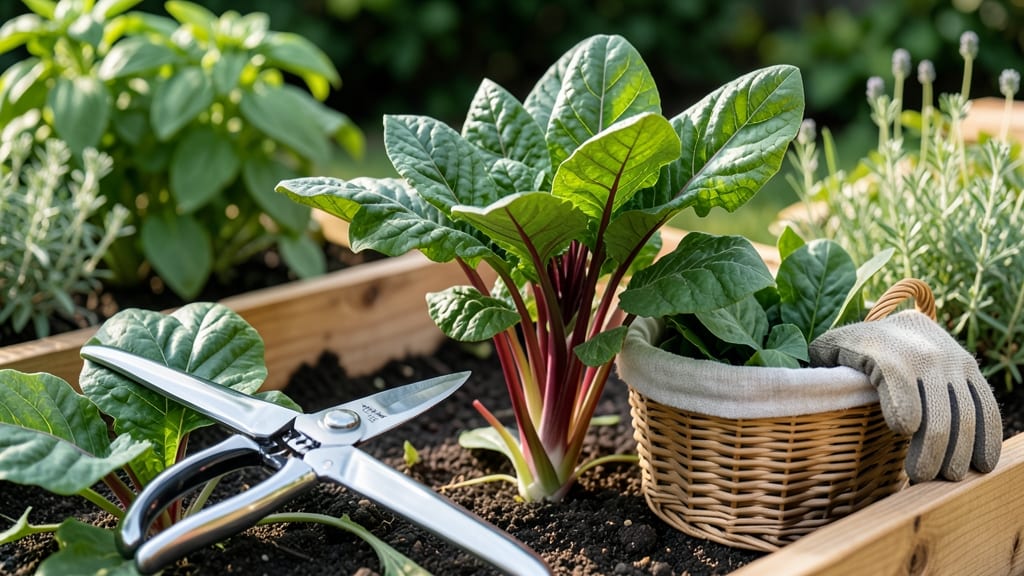
To harvest Swiss chard so it keeps growing, use the cut-and-come-again method—cutting outer leaves just above the base leaves to encourage regrowth.
Swiss chard thrives when harvested correctly, but many gardeners accidentally stunt its growth by pulling entire plants instead of using the right technique. The cut-and-come-again method isn’t just about harvesting—it’s about ensuring your 🥬 keeps producing lush, flavorful leaves for weeks.
Harvesting the right way means you’ll enjoy a continuous supply of fresh greens without sacrificing the plant’s health. Whether you’re a beginner or a seasoned gardener, mastering this technique will give you a bountiful harvest all season long.
In this guide, I’ll walk you through the exact steps to harvest Swiss chard, when to do it, and how to avoid common mistakes that can stop regrowth. You’ll learn how to keep your chard thriving for months of delicious harvests.

The cut-and-come-again method: step-by-step harvesting for continuous growth
The cut-and-come-again method is a game-changer for Swiss chard growers. Instead of pulling entire plants, you selectively harvest outer leaves while leaving the inner growth intact. This technique preserves the plant's energy, encouraging regrowth and extending your harvest season by weeks or even months.
The key? Understanding leaf maturity and cutting techniques that minimize stress.
Swiss chard stores energy in its thick stems and root system. When you harvest correctly, the plant redirects resources to produce new leaves. But over-harvesting or cutting too close to the base can weaken the plant, leading to stunted growth or even death.
Mastering this method means you’ll enjoy a continuous supply of tender, flavorful leaves without sacrificing the plant’s health.
Before you begin, gather your tools: a sharp pair of pruners or clean scissors, a bucket of water to keep harvested leaves fresh, and a notebook to track your plant’s progress.
The goal is to make clean cuts that heal quickly, so sterilize your tools with rubbing alcohol to prevent disease spread.
The science behind regrowth lies in chard’s perennial nature. Unlike annuals, Swiss chard can regrow year after year in mild climates (USDA zones 5-9). When you harvest outer leaves, the plant’s meristem (growth center) at the base remains intact, allowing it to produce new leaves.
Think of it like trimming your hair—you’re shaping the plant without damaging its core.
One of the biggest misconceptions is that chard needs long recovery periods between harvests. In reality, with proper care, you can harvest every 2-3 weeks throughout the growing season.
For example, in my Zone 7 garden, I harvest rainbow chard every 10-14 days from June through October, and the plants keep thriving. The trick is consistency—never skip the post-harvest care steps.
To maximize yield, pair this method with succession planting. Sow new chard seeds every 2-3 weeks in early spring and late summer. This ensures you always have mature plants ready for harvest while older plants recover.
For instance, I plant a batch in March and another in August, giving me a 10-month harvest window.
If your chard starts looking leggy or sparse after harvests, it’s time to fertilize lightly. Use a balanced fertilizer (like 5-10-10) to replenish nutrients. I mix 1 tablespoon per plant into the soil and water it in.
Avoid high-nitrogen fertilizers—they promote leafy growth at the expense of root development, which is critical for regrowth.
Remember, the cut-and-come-again method isn’t just about harvesting—it’s about building a relationship with your plant. Pay attention to its signals: wilted leaves mean it needs water, yellowing stems indicate over-harvesting, and new sprouts confirm you’re doing it right.
With patience and practice, your chard will reward you with bountiful harvests all season long.
Common harvesting mistakes that stop chard from regrowing (and how to avoid them)
Even experienced gardeners sometimes make simple harvesting mistakes that prevent chard from regrowing. The key to continuous production lies in understanding what your plants need during and after harvest.
One of the biggest errors is cutting stems too close to the base, which removes the plant's energy source and stunts future growth.
Another common mistake is harvesting too frequently—especially when leaves are still small. When you pull leaves before they fully mature, the plant lacks the energy to recover and produce new growth. Even well-intentioned gardeners often overlook these subtle but critical details.
Let's address five critical harvesting mistakes and how to avoid them:
⚠️ Critical Harvesting Mistakes to Avoid
Mistake 1: Cutting stems too short (1 inch above base). This removes the plant's energy storage and growth points.
Mistake 2: Harvesting more than ⅓ of the plant at once. This stresses the plant and slows regrowth.
Mistake 3: Ignoring leaf maturity. Harvesting immature leaves prevents the plant from storing energy for future growth.
Mistake 4: Using dull or dirty tools. Jagged cuts invite disease and slow recovery.
Mistake 5: Harvesting during extreme heat (midday sun). This causes stress and reduces regrowth success.
✅ Solution: Always cut just above the base with clean tools, leave at least ⅓ of the plant intact, and harvest in the morning when temperatures are mild.
Proper cutting technique is essential. Always use a sharp pair of pruning shears or a clean knife to make clean cuts. Avoid tearing leaves, as this creates entry points for pests and diseases. The goal is to remove only the outer leaves while leaving the inner growth points intact.
Another critical factor is timing. Harvest chard in the morning when leaves are firm and hydrated. This reduces stress on the plant and ensures better regrowth. Avoid harvesting during hot afternoons, as the plant's energy is already focused on surviving heat stress rather than recovering from cuts.
Finally, pay attention to your chard's overall health. If leaves are yellowing or wilted after harvest, it may be a sign of over-harvesting or nutrient deficiency. In this case, reduce harvesting frequency and consider adding a balanced fertilizer to support regrowth.
By avoiding these common mistakes, your chard plants will continue producing lush, flavorful leaves for weeks—even months—after planting! 🌱