
Vegetables
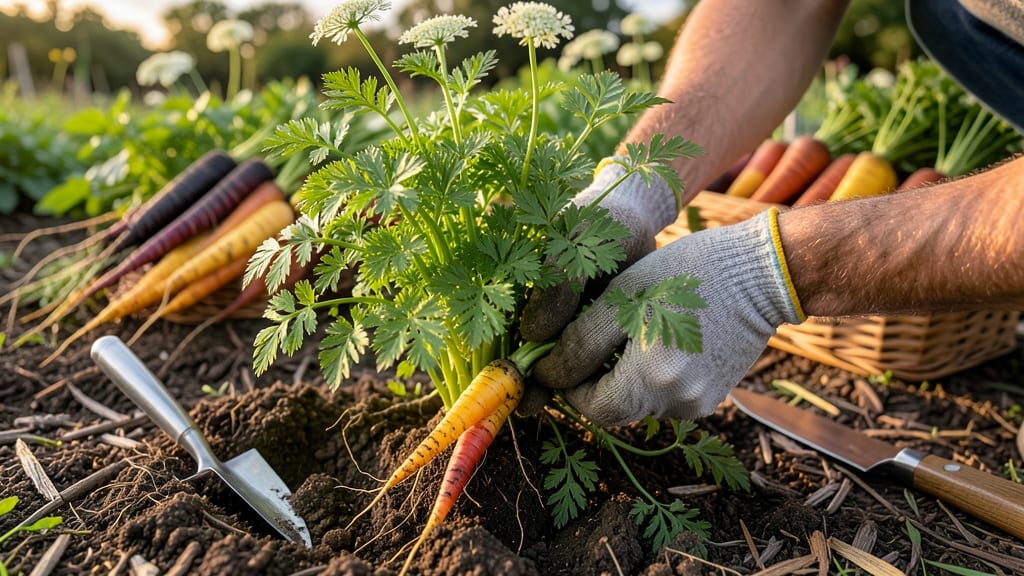
Harvesting rainbow carrots at the right time unlocks their sweetest, most vibrant flavors—something you’ll miss if you pull them too early or wait too long.
Picture this: you’ve nurtured these colorful roots for months, and now the question looms—how do you know when they’re truly ready? The answer isn’t just about days after planting; it’s about soil tests, a simple finger-pressure trick, and spotting those telltale signs of perfect maturity.
Get it wrong, and you could end up with bitter, woody roots or ones that split before they even hit the plate.
Rainbow carrots 🥕 thrive in cooler weather, which means timing your harvest around June-July for spring plantings or October-November for summer ones can make all the difference.
But the real secret lies in their size, color, and texture—like a crisp resistance when you press your thumb against the skin or the vibrant gradients that signal peak sweetness.
In this guide, I’ll walk you through the exact methods to test readiness, the common mistakes that ruin harvests, and how to store your bounty for weeks to come. No more guesswork—just perfectly timed, flavor-packed carrots straight from your garden.

How to test soil & use finger-press tricks for perfect rainbow carrot harvest timing
Harvesting rainbow carrots at the right moment means the difference between sweet, crisp roots and tough, bitter ones. Unlike traditional orange varieties, these colorful beauties need precise timing to unlock their full flavor potential. The secret?
A combination of soil tests, finger-pressure resistance, and visual cues that reveal when they're ready to pull. I've used these methods for years in my garden, and they've never failed to deliver perfect harvests.
Start by checking the soil moisture—dry soil means your carrots are struggling, while soggy soil can lead to rot. The ideal moisture level feels like a wrung-out sponge: damp but not dripping.
For rainbow carrots, this balance is critical because their vibrant colors develop best when they're neither stressed nor waterlogged. I always test soil moisture in the morning when temperatures are cooler and evaporation hasn't occurred yet.
Now for the magic trick: the finger-pressure test. Press your thumb gently against the carrot's skin near the shoulder (where the leafy top meets the root). If it resists slightly but doesn't dent easily, that's your cue—these roots are ready.
Too soft? They need more time. Too hard? You might be waiting too long. This method works because it tests both maturity and moisture content simultaneously, two key factors for rainbow carrots.
🌱 Step-by-Step Harvest Readiness Check
- Step 1: Check Leaf Height – Measure your carrot tops. 4-6 inches tall means they're ready for harvest. Shorter leaves? Wait a week or two.
- Step 2: Perform Finger-Press Test – Gently press the carrot's shoulder. Resistance = ready! No resistance? More time needed.
- Step 3: Inspect Color Vibrancy – Rainbow carrots should show bright, consistent hues. Pale or uneven colors mean they're not mature yet.
- Step 4: Test Root Firmness – Cut a test carrot lengthwise. If it's crisp and white inside, harvest now. Green centers mean they're still growing.
- Step 5: Verify Soil Conditions – Dig around the edges to check for 1-2 inch diameter roots with smooth, unbroken skin.
Don't overlook the weather window—cool evenings after warm days bring out the sweetest flavors in rainbow carrots. I always aim to harvest in late afternoon when the soil is still warm but not scorching. This timing also helps prevent the roots from splitting, a common issue with these varieties.
If you're growing in USDA Zone 6a or warmer, plan your harvest for June-July (spring planting) or October-November (summer planting).
Visual cues are your best friends when harvesting. Look for lush, healthy foliage with no yellowing leaves—a sign of stress. The tops should be vibrant, not wilted or leggy. And here's a pro tip: if you see small orange roots peeking through the soil surface, they're ready to pull now.
These exposed roots are nature's way of telling you it's time to harvest before they toughen up.
For those who love data, track your days to maturity. Rainbow carrots typically reach harvest readiness between 50-85 days, but varieties like 'Cosmic Purple' or 'Scarlet Nantes' often hit their sweet spot around 70 days.
I keep a garden journal to note when my specific varieties are ready, adjusting for my local climate. For example, my garden in Zone 6a sees harvests about 5-7 days earlier than the package suggests.
One mistake I see often is waiting too long for "bigger" carrots. While larger roots might look impressive, they often become woody and less sweet. Rainbow carrots are best harvested when they're 1-2 inches in diameter—this size guarantees the perfect balance of flavor and texture.
If you're growing for storage, you can leave them a bit longer, but for fresh eating, smaller is always sweeter.
After harvesting, give your carrots a quick rinse and let them dry in the shade for an hour. This step prevents rot and makes storage easier. For short-term storage, keep them in the crisper drawer of your fridge, where they'll stay fresh for up to 3 weeks.
For long-term storage, braid the greens and hang them in a cool, dark place—this old-fashioned method works surprisingly well for rainbow varieties.
Remember, the key to harvesting rainbow carrots isn't just about timing—it's about listening to your plants. Combine soil tests, finger-pressure tricks, and visual cues, and you'll always know when to pull these vibrant roots for the sweetest, most flavorful harvest. Trust me, your taste buds will thank you! 🌿
Rainbow carrot growth stages: when to harvest for maximum sweetness vs. storage
Rainbow carrots develop their signature sweetness and vibrant colors through distinct growth stages, each offering unique harvest benefits. Understanding these stages helps you decide whether to pull for immediate eating or store for later.
The first 30-50 days mark the baby stage, while 60-80 days delivers peak flavor, and beyond that, storage potential increases.
At the 30-50 day mark, your rainbow carrots will be tender and sweetest when harvested early. These baby carrots (about 1 inch thick) are perfect for salads or quick cooking.
Their skin may still show hints of green, and the roots won’t resist gentle pressure. This stage thrives in cooler weather, which naturally enhances their sugar content.
For maximum sweetness, aim to harvest at 60-80 days when roots reach 1.5-2 inches in diameter. The skin will be firm, resisting thumb pressure, and colors will fully develop.
This is the ideal window for both fresh eating and short-term storage. Cooler fall temperatures further boost their natural sugars during this period.
| Growth Stage | Days to Harvest | Root Size | Sweetness Level | Best For |
|---|---|---|---|---|
| Baby Stage | 30-50 | 1 inch | Highest | Fresh eating |
| Peak Maturity | 60-80 | 1.5-2 inches | Balanced | Storage & cooking |
| Late Stage | 80+ | 2+ inches | Lower | Long-term storage |
Beyond 80 days, rainbow carrots become woody and less sweet, but they store exceptionally well. Their thicker skins protect against rot, making them ideal for winter storage. If you notice the tops yellowing or the roots splitting, harvest immediately—they’re past their prime for flavor but still usable for storage.
To test readiness, gently pull a carrot from the soil. If it resists and the top is 4-6 inches tall with vibrant color, it’s perfect for harvest. For storage, wait until the roots are fully mature but still firm.
Store them in sandy soil or moist sand in a cool, dark place to preserve freshness for months.
Cooler weather during growth enhances sweetness, so plan spring or fall harvests for the best flavor. If you’re unsure, harvest a few test carrots—this way, you’ll know exactly when your rainbow carrots reach their sweetest potential.