
How To
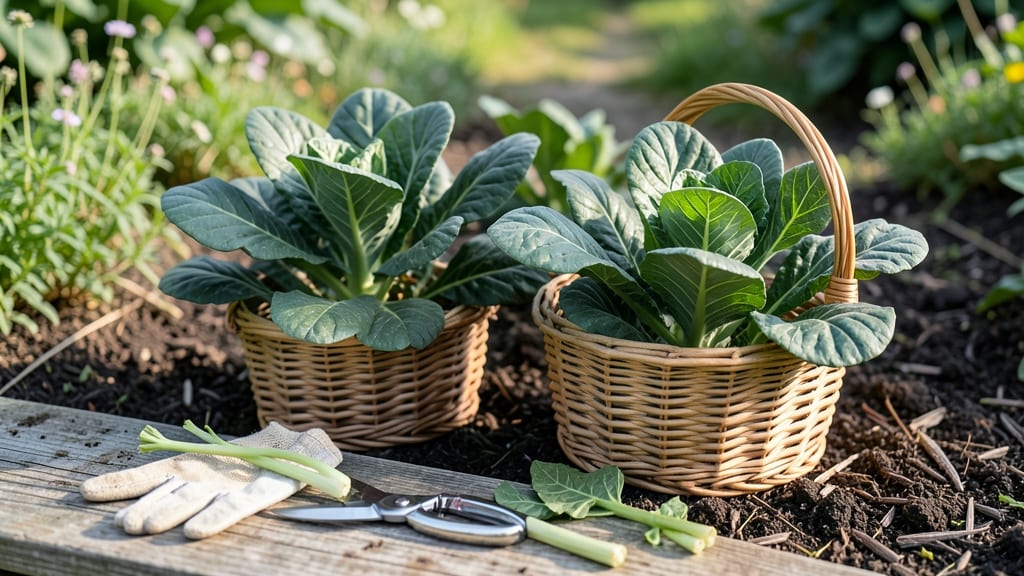
To harvest collards at their sweetest, tender spot, focus on the outer leaves when they reach 8–12 inches long—that’s when they’re packed with flavor and nutrients.
Picture this: you’re about to enjoy a homegrown side dish, but the leaves feel tough or bitter. That’s a sign you waited too long—or harvested the wrong way. The key is timing and technique, and I’ll show you exactly how to get it right.
Collards thrive in cooler weather, so aim for harvests in fall or early spring when the leaves stay crisp and vibrant. You’ll also learn how to cut them without damaging the plant, so you can keep reaping the rewards all season.
By the end, you’ll know the best time to pick, how to store your harvest, and even how to encourage more growth. Ready to turn your garden into a greens powerhouse?

When to harvest collards for maximum tender leaves and nutrition
Timing your collard harvest is everything—picking too early means tough, bitter leaves, while waiting too long can make them woody and less flavorful. The sweet spot for harvesting collards is when they balance size, tenderness, and nutrition.
This usually happens 60-75 days after transplanting, but environmental factors like temperature and sunlight play a huge role in determining the perfect moment.
For the most nutrient-dense leaves, aim to harvest when collards are 8-12 inches long and have a deep, vibrant green color. Younger leaves (under 6 inches) tend to be tender but lack the robust flavor and vitamin content of mature foliage.
Meanwhile, overly large or yellowing leaves signal it’s past their prime, reducing both taste and nutritional value.
Weather conditions also influence harvest timing. In cooler climates (USDA Zones 6a and below), collards often reach peak tenderness in fall (October-November), especially after a light frost, which can sweeten the flavor.
In warmer regions, you can harvest year-round, but avoid extreme heat, which can cause bolting and bitterness.
Here’s the key: Harvest outer leaves first, leaving the inner, younger leaves to continue growing. This method ensures your collard plant keeps producing tender, nutrient-rich leaves for weeks or even months. Think of it like trimming a hedge—you’re shaping the plant while encouraging new growth.
| Stage | Leaf Size | Tenderness | Nutrient Peak | Best Time to Harvest |
|---|---|---|---|---|
| Early Growth | Under 6 inches | Very tender | Low | Avoid harvesting |
| Mature | 8-12 inches | Crisp and tender | High | Prime harvest time |
| Over-Mature | Over 12 inches | Tough and woody | Declining | Harvest sparingly |
| Post-Frost | 8-12 inches | Sweeter, softer | Very high | Best harvest window |
If you’re growing collards in containers or raised beds, they may mature slightly faster due to better soil drainage and warmth. Monitor your plants closely and adjust your harvest schedule accordingly.
Container-grown collards can also be more susceptible to nutrient deficiencies, so use a balanced fertilizer like 10-10-10 every 4-6 weeks to keep them thriving.
One of my favorite tricks for extending the harvest season is to use row covers or cold frames in late fall or early spring. These protect collards from frost damage while allowing them to continue growing.
Even a light frost can improve flavor, but temperatures below 20°F will kill the plant, so plan accordingly.
Pro tip: Harvest collards in the morning after dew has evaporated but before the heat of the day sets in. This ensures the leaves are at their crispest and most flavorful.
Store harvested leaves in the fridge for up to 5-7 days, or blanch and freeze them for long-term storage.
Don’t forget that collards are cut-and-come-again crops. By consistently harvesting outer leaves, you encourage the plant to produce new growth, giving you a steady supply of fresh greens throughout the growing season.
With the right timing and care, your collard patch can keep you in nutrient-packed leaves from early fall well into winter.
🥬
Step-by-step guide to harvesting collards without damaging the plant
Harvesting collards the right way keeps your plants healthy and productive. The key is to focus on the outer leaves—these are the most mature and tender. By cutting them properly, you encourage the plant to produce more leaves, giving you a continuous harvest all season long.
Before you begin, gather your tools: a sharp pair of pruning shears or a clean knife, a basket for your harvest, and a small spray bottle with water.
This setup ensures you harvest efficiently and keep your greens fresh. I always work on a dry, sunny morning to avoid spreading moisture-borne diseases.
How to Harvest Collards Step by Step
- Step 1: Identify the outer leaves that are fully grown (8–12 inches long) and deep green. Avoid cutting leaves that are still small or yellowing.
- Step 2: Hold the leaf gently and cut it at a 45-degree angle, about 1 inch above the base. This allows water to run off and prevents rot.
- Step 3: Use clean, sharp pruning shears to make a precise cut. Never tear leaves—this damages the plant and invites pests.
- Step 4: Leave the inner leaves (the younger ones) to keep growing. These will mature into harvest-ready leaves in 2–3 weeks.
- Step 5: Harvest every 2–3 weeks during the growing season. In cooler months, you can stretch this to 3–4 weeks without stressing the plant.
Seasonal timing matters too. In fall, when temperatures drop, collards taste sweeter and are more tender. I often harvest through the first frost, as cold weather actually improves their flavor. For a spring harvest, start picking as soon as the soil warms and new leaves emerge.
After harvesting, rinse your collards in cool water and pat them dry. Store them in a paper towel-lined container in the fridge for up to a week.
For longer storage, blanch and freeze them—this preserves their nutrients and texture for months. I like to freeze collards in portions for easy cooking later.
If your plant looks tired after harvest, give it a boost with a light compost top-dressing and a drink of water. Collards are resilient, and with proper care, they’ll reward you with fresh leaves well into winter. The more you harvest correctly, the more your plant will thrive!