
How To
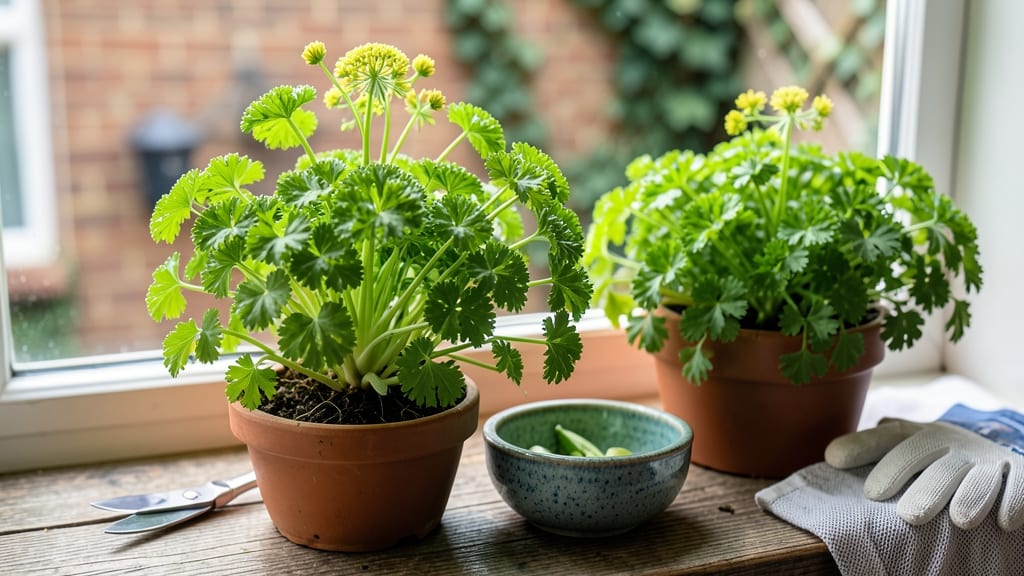
To harvest curly parsley at its peak flavor and encourage more growth, focus on cutting stems when the plant is mature but before it bolts.
Picture this: you’ve nurtured your 🌿 curly parsley all season, and now it’s time to reap the rewards—but timing is everything. Harvest too early, and the flavor won’t be strong enough; wait too long, and the plant may bolt, turning bitter.
The key is knowing exactly when those leaves are ready for cutting.
Most gardeners miss the best window because they don’t recognize the subtle signs of readiness—like fully curled, vibrant green leaves or stems that are firm yet flexible. These cues tell you the parsley is at its prime, packed with flavor and ready for the kitchen or freezer.
In this guide, I’ll walk you through the three clear signs your parsley is harvest-ready, the best techniques for cutting stems without harming the plant, and how to store your harvest so it stays fresh for weeks. Let’s make sure your parsley keeps giving all season!

3 Clear signs your curly parsley is ready for harvesting
Harvesting curly parsley at the right time ensures you get the most flavorful leaves while keeping your plant healthy and productive. Unlike many herbs, parsley doesn’t mind being cut back—it actually encourages bushier growth when harvested properly.
The key is knowing exactly when those vibrant green leaves are ready to pick, so you don’t miss the perfect moment or over-harvest and weaken your plant.
I’ve learned from experience that waiting too long can turn your parsley into woody stems, while harvesting too early means missing out on the full aromatic potential of the leaves.
Let’s break down the three clear signs that your curly parsley is ready for harvesting, so you can enjoy a steady supply of fresh, flavorful greens all season long.
- 🌿 Leaf Size & Color: Harvest when leaves reach 4-6 inches tall with a deep green, glossy appearance. Fully curled leaves indicate maturity, while pale or yellowing leaves mean it’s not ready.
- ✂️ Stem Maturity: Choose stems that are firm but flexible—not woody or brittle. Bend a stem; if it snaps easily, wait a few more days for full maturity.
- 🌱 Plant Health: Look for 6-8 mature leaves per stem and a strong, upright growth habit. Avoid harvesting more than 1/3 of the plant at once to prevent stress.
- 👃 Aromatic Test: Crush a leaf between your fingers—if it releases a strong, fresh parsley scent, it’s ready. Weak or no smell means it’s underripe.
- 📅 Timing Tip: Harvest in the morning after dew dries for the freshest flavor. Avoid harvesting in hot afternoons, which can wilt leaves quickly.
One of the biggest mistakes I see gardeners make is harvesting too much at once. While parsley is resilient, cutting back more than 30% of the plant in a single session can shock it and slow down new growth.
Instead, focus on selective harvesting—pick only the largest, most mature stems while leaving smaller leaves to grow. This method ensures your parsley stays lush and productive for months.
The leaf size is your first clue. When the leaves reach 4-6 inches in length and are fully curled, they’re ready to pick. At this stage, the flavor is at its peak, and the texture is tender.
If you wait too long, the leaves may start to yellow or become bitter, which happens when the plant begins to bolt—especially in hot weather. I always check the leaves by gently brushing them; if they feel firm and slightly waxy, that’s another sign of readiness.
Don’t overlook the stem condition—this is a game-changer for future harvests. Healthy stems should be green and flexible, not brown or woody. If you bend a stem and hear a snap instead of a bend, it’s a sign the plant is past its prime.
To test, gently pinch a stem between your thumb and forefinger. If it gives slightly without breaking, it’s perfect for harvesting. This flexibility ensures the plant can recover quickly and produce new growth.
Another pro tip I’ve picked up is to harvest in stages. Start by cutting the outer stems first, which are usually the largest and most mature. This allows sunlight to reach the inner leaves, encouraging even growth.
I like to use a clean, sharp pair of scissors or pruning shears to make a clean cut just above a leaf node—the point where a leaf meets the stem. This encourages new shoots to grow from that node, giving you a continuous supply of fresh parsley.
If your parsley plant looks sparse or leggy, it might be a sign of over-harvesting or poor growing conditions. Leggy stems with small leaves often mean the plant isn’t getting enough sunlight or nutrients.
In this case, focus on reviving the plant first—move it to a sunnier spot, add a balanced fertilizer, and reduce harvesting until it regains its vigor. Patience here pays off; a healthy parsley plant can produce harvests for 2-3 years with proper care.
Finally, keep an eye out for pests or diseases, which can sneak up on parsley if you’re not careful. If you notice yellowing leaves, holes, or signs of aphids, address the issue before harvesting.
A quick spray of neem oil or insecticidal soap can save your plant. Always harvest from healthy plants only—diseased or pest-infested parsley can spread problems to other herbs in your garden.
By mastering these three signs—leaf size, stem maturity, and plant health—you’ll never miss the perfect harvest window again. Your parsley will stay bushy, flavorful, and productive, giving you a steady supply of fresh greens for soups, salads, and garnishes all season long. Happy harvesting! 🌱
Step-by-step harvesting techniques for maximum yield
Harvesting curly parsley correctly is the secret to a continuous supply of fresh, flavorful leaves all season. Unlike many herbs, parsley regrows from its base when cut properly, so using the right techniques ensures your plant stays lush and productive.
The key is to never cut roots and always target mature stems while leaving enough foliage for regrowth.
Start by waiting until your parsley reaches 6-8 mature leaves—this usually takes about 70 days after planting. At this stage, the leaves should be deep green, fully curled, and emit a strong aroma when crushed.
Harvesting too early can stunt growth, while waiting too long risks bolting (flowering) which makes leaves bitter.
Never trim stems within 1 inch of the soil line—this can kill the plant or leave it vulnerable to rot. Instead, cut stems about 2-3 inches above the base, leaving at least 3-4 sets of leaves to fuel regrowth.
For large plants, you can harvest 1/3 of the plant at a time to maintain vigor.
Pro Tip: Use clean, sharp scissors or pruning shears to avoid crushing stems. Dull tools cause damage that invites pests and disease.
For maximum yield, focus on harvesting outer stems first—these are the oldest and largest. Use a 45-degree angle when cutting to increase surface area for faster healing.
This method also encourages new growth from the center of the plant. Avoid pulling leaves by hand, as this can damage the delicate stems and reduce future harvests.
Timing matters too: harvest in the morning after dew dries but before the midday heat sets in. This ensures leaves are fully hydrated and packed with flavor. If you're harvesting for storage, wait until late morning when leaves have dried slightly—this prevents wilting during preservation.
After harvesting, give your parsley plant a light fertilizer boost with a balanced 5-10-10 mix to encourage rapid regrowth. Water deeply at the base to replenish moisture lost during cutting.
With proper care, a single parsley plant can provide continuous harvests for 2-3 years, making it one of the most rewarding herbs to grow.
For large batches, like those needed for drying or freezing, harvest stems when they reach 8-10 inches tall. Bundle stems together and hang upside down in a dark, dry place for 1-2 weeks to dry completely.
Once dry, strip leaves from stems and store in airtight containers for up to 6 months of flavorful convenience.