
How To
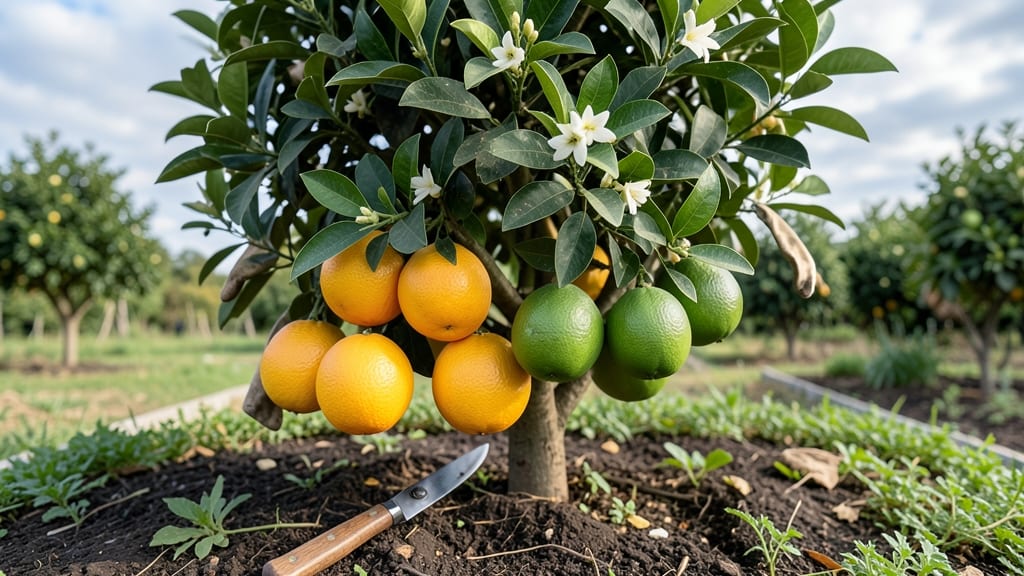
Harvest grapefruit when they’re firm, heavy, and deep yellow-orange 🍊—the moment they’re sweetest and packed with juice.
Grapefruit trees reward patience with juicy, tangy fruit—but timing your harvest wrong means bitter disappointment. Master these three simple tests to pick grapefruit at their sweetest, just when nature intended.
If you’ve ever bitten into a grapefruit that’s too sour or mealy, you know how critical the right moment is. The color shift from green to golden, the weight in your hand, and even the way the skin yields under gentle pressure all signal peak ripeness.
Below, I’ll walk you through the exact visual and tactile cues to harvest your grapefruit at their best, plus how climate and variety affect timing in USDA Zones 9-11.

3 Color tests to determine grapefruit ripeness stage
Grapefruit ripeness isn’t just about waiting for winter—it’s about reading the fruit’s color cues. The sunlight exposure and variety type dramatically change how your grapefruit develops its signature hues.
I’ve learned that ignoring these visual signals often leads to either overly tart or underripe fruit, so let’s break down the three key color tests.
First, focus on the blush progression from pink to deep red on the fruit’s surface. This blush isn’t just aesthetic—it’s a sugar development indicator. Ruby Red grapefruits, for example, will show a bold crimson blush when ready, while pink varieties like ‘Star Ruby’ develop a softer peachy-pink tint.
Watch for this blush to cover at least 50% of the fruit before considering harvest.
Sunlight exposure plays a critical role in color development. Fruits growing on south-facing branches receive more direct sun and develop brighter, more intense colors faster. If your tree is shaded, the blush may take 2-4 extra weeks to fully develop. I’ve noticed that evening sunlight (after 4 PM) can also enhance color depth, so positioning matters.
Next, examine the yellow-green transition zones where the fruit meets the stem. This area often changes from bright green to golden yellow as the grapefruit matures. A uniform yellow hue here is a strong sign of ripeness, while patchy green spots suggest the fruit needs more time.
Pro tip: Twist the fruit gently—if the stem end resists but the skin near the transition zone feels slightly softer, it’s likely ready.
The third test is observing the overall color shift from lime green to deep yellow-orange.
White grapefruits, like ‘White Marsh’, will turn a pale yellow with slight green undertones, while red varieties develop a rich amber base with red blushes. Never harvest based on color alone—always combine this with the firmness test we’ll cover next.
| Grapefruit Variety | Color Ripeness Cues | Sunlight Needs | Harvest Window |
|---|---|---|---|
| Ruby Red | Deep red blush (50%+ coverage), golden base | Full sun (6+ hours daily) | Late Oct–Dec |
| Pink (e.g., ‘Star Ruby’) | Peachy-pink blush, pale yellow base | South-facing branches preferred | Nov–Jan |
| White (e.g., ‘White Marsh’) | Pale yellow with slight green undertones | Tolerates slight afternoon shade | Dec–Feb |
| All Varieties | Yellow-green transition zone near stem | Evening sun enhances color | Adjust 1–2 weeks by region |
One common mistake I see is harvesting based on calendar dates rather than color cues. For example, Ruby Red grapefruits might still need 2 more weeks on the tree in cooler microclimates, even if it’s December.
Always cross-reference color with firmness—a grapefruit with a bright blush but soft skin is overripe and will be seedy and mealy.
Pay attention to the fruit’s shadow side (the side facing away from direct sun). If this area remains green or dull yellow, the grapefruit needs more time.
This is especially true for container-grown trees, which often have uneven sunlight exposure. Rotate containers occasionally to ensure balanced color development.
Finally, remember that color tests are variety-specific. A ‘Thompson Pink’ grapefruit might look perfectly ripe with a soft pink blush, while a ‘Red Blush’ needs a bold crimson hue.
When in doubt, taste-test one fruit from each batch—your palate is the ultimate judge of ripeness! Just be sure to harvest early in the morning for the freshest flavor.
Mastering these color-based ripeness tests will transform your grapefruit harvest from hit-or-miss to consistently sweet and juicy. Next, we’ll cover the firmness and weight tests to ensure you’re picking grapefruit at their absolute peak.
Firmness and weight tests: how to avoid overripe or underripe grapefruit
When it comes to harvesting grapefruit, your hands are your best tools. A gentle squeeze test and weight comparison reveal ripeness secrets that colors alone might miss. Overripe fruit feels mushy, while underripe grapefruit stays rock-hard—neither is ideal for juicy perfection.
Start by holding a grapefruit in your palm. A ripe grapefruit should feel heavy for its size, almost too dense to lift easily. This weight indicates the fruit is packed with juice and natural sugars.
If it feels disappointingly light, it’s still underripe and needs more time on the tree.
Next, perform the gentle squeeze test. Gently press your thumb and fingers into the grapefruit’s skin. It should yield slightly but resist completely—no give means it’s underripe, while excessive softness signals overripeness. Think of it like testing a ripe avocado: firm yet yielding.
🌱 Pro Tip: Compare two grapefruits side by side. The riper one will feel noticeably heavier and firmer. This tactile comparison helps you spot the perfect specimen even when colors look similar.
Overripe grapefruit loses sweetness and develops a bitter, seedy core. The skin may wrinkle or soften like overcooked fruit. Harvest when the stem snaps cleanly—this indicates peak maturity and prevents spoilage.
🌡️ Temperature Check: Morning harvests (below 75°F) preserve flavor better than hot-afternoon picks.
Don’t overlook the stem resistance test. Twist the stem slightly—it should snap cleanly with minimal force. A stubborn stem means the fruit isn’t ready, while a stem that pulls away too easily signals overripeness. This test works best on mature grapefruit (180+ days from bloom).
For dwarf varieties, these tests work just as well. Just be extra gentle—smaller fruit can bruise easily. If you’re unsure, harvest a few at different firmness levels and taste-test them. Your palate will quickly learn what “just right” feels like in your hands.
🍊 Remember: The perfect grapefruit combines a firm squeeze, satisfying weight, and a clean stem snap. Master these tests, and you’ll never miss the window for harvest again!